

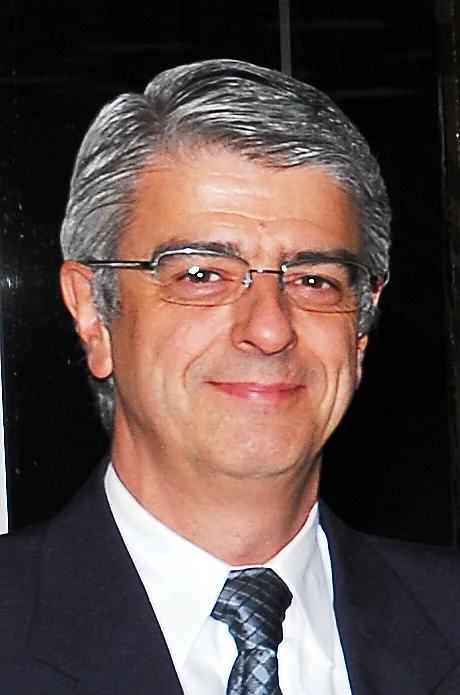
The discussion about the increasing energy cuts in centralized renewable generation, known as curtailment, gained a new perspective with a recent position revealed by director Fernando Mosna, from ANEEL (National Electric Energy Agency).
According to him, there are insurmountable legal and regulatory obstacles to including DG (distributed generation) or MMGD (micro and mini distributed generation) in the allocation of these cuts. In the director's categorical opinion, this measure would be illegal and exceed the scope of current regulations.
Mosna's opinion is in contrast to suggestions from the Ministry of Finance and industry agents, who see DG control as part of the solution to imbalances in the electrical grid and understand that the segment should share the burden of curtailments.
Technically, it's not yet possible to manage MMGD's energy injection into the distribution grids. This still depends on the creation of a new entity in the national electricity sector. These would be regional distribution grid managers, a system already adopted by countries like England.
In view of this, the MF suggested to the ANEEL adopting the accounting adjustment model, which, in practice, would result in financial impacts for so-called "prosumers," that is, consumers who currently have access to photovoltaic solar generation systems.
Legal shielding
According to Mosna, who participated in a recent event promoted by the Lefosse Advogados law firm, the inclusion of GD in curtailment through Public Consultation No. 45 (CP 45), which currently discusses the hierarchy of generation sources for physical cuts, is unfeasible.
He emphasized that the third phase of CP 45's scope is limited to large-scale centralized generation plants, such as hydroelectric, solar, and wind power plants. To discuss DG in the context of curtailment, he noted, a new phase of public consultation would be necessary.

The most significant barrier, according to the director, is legal. Distributed generation is governed by Law No. 14.300/2022, its own legal framework. This provision guarantees the right to full credit for energy injected into the grid for those who have signed up to the net metering system within 12 months of the law's enactment. In his view, a change in the legislation would therefore be necessary.
He acknowledged the relevance of the issue due to the scope of cuts due to excess generation, but insisted that it is not through the CP 45 public consultation, in its third phase, that the issue will be addressed.
Pressures for inclusion
There is strong behind-the-scenes pressure to include GD in the debate on the cuts. In June, a letter from a Ministry of Finance department was sent to the agency, arguing that MMGD should be included in the new curtailment apportionment rules. Many contributions to CP 45 itself suggest including MMGD.
Supply constraints have caused significant financial losses for companies in the sector. Given these losses, several stakeholders advocate including DG in the allocation of power outages to ensure a more equitable distribution of the impacts. CP 45/2019, in its third phase, discusses the creation of a renewables "condominium," which would share the impact of the outages among themselves.
The expansion of distributed micro and mini-generation is transforming the Brazilian electricity system, with projections indicating that by 2029, only 45% of generation capacity will be under the direct control of the National Electric System Operator (ONS). The Operator, in turn, has emphasized the need for regulatory and technological advances to manage DG and avoid imbalances between load and generation.
Record losses
Recent data reveals that generation cuts in centralized solar production reached 28% in June this year, marking a record for the segment.
The latest Bradesco BBI report indicates that there are currently no policies or actions in place to mitigate the losses faced by solar projects, with projections that these cuts will continue to grow in the second half of the year with no expectation of improvement.
The study also detailed the companies and states most impacted by this practice in the second quarter of 2025:
- Companies with the biggest cuts in their solar production without compensation:
◦ Alupar: 37%
◦ Equatorial: 32%
◦ Auren: 31%
- States with the highest volume of solar cuts in the period:
◦ Minas Gerais (25%)
◦ Bahia (24%)
◦ Pernambuco (20%)
◦ Piauí (19%)
◦ Ceará and Rio Grande do Norte (both with 16%)
◦ Sao Paulo (11%)
◦ Paraíba (7%)
all the content of Canal Solar is protected by copyright law, and partial or total reproduction of this site in any medium is expressly prohibited. If you are interested in collaborating or reusing part of our material, please contact us by email: redacao@canalsolar.com.br.

Comments
Comments are moderated before publication.Comments should be respectful and contribute to a healthy debate. Offensive comments may be removed. The opinions expressed here are those of the authors and do not necessarily reflect the views of the author. Canal Solar.