
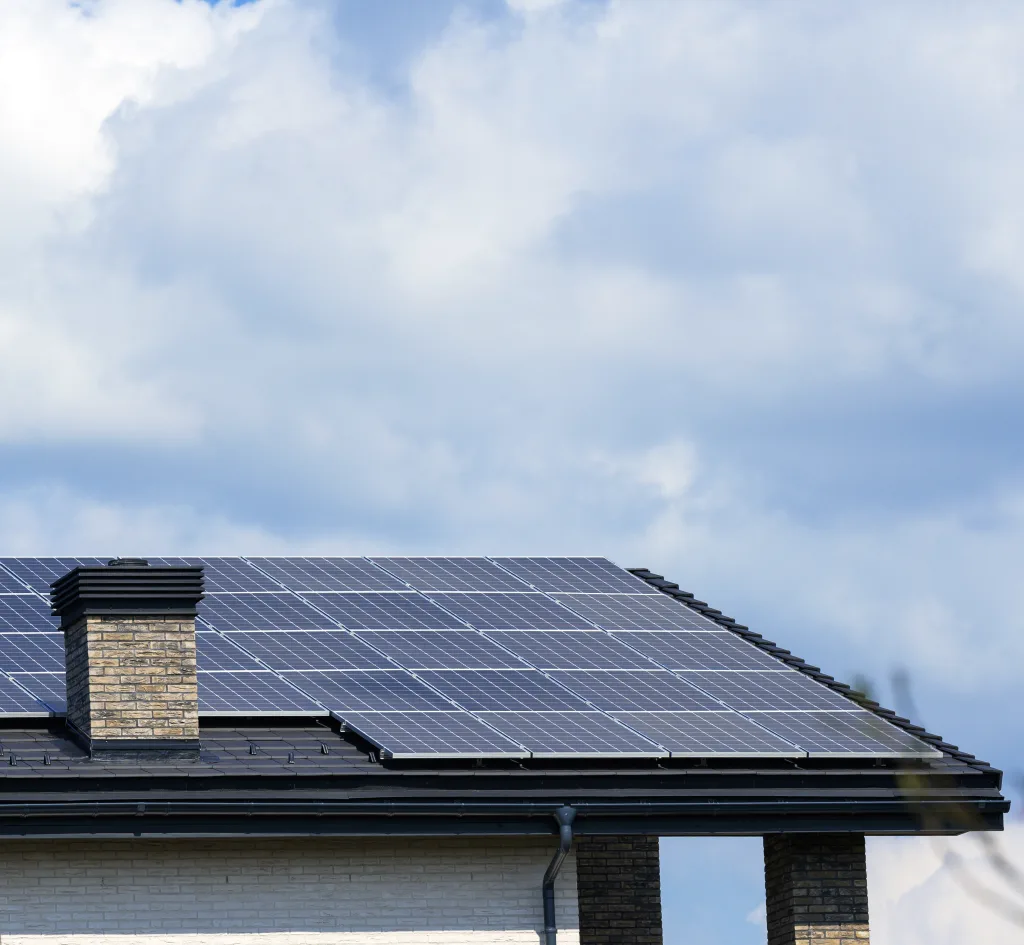
A ABSOLAR (Brazilian Association of Photovoltaic Solar Energy) projects that solar DG (distributed generation) will bring more than R$ 13,3 billion in net benefits to consumers in the Brazilian electricity sector by 2035.
According to the entity, the calculation was made using the methodology proposed by ANEEL (National Electric Energy Agency) at Public Hearing No. 001/2019, which deals with the review process of Normative Resolution 482.
More than two years ago, the ABSOLAR supports the claim that the advance of solar DG in Brazil causes discomfort in traditional economic groups in the electrical segment.
In the entity's assessment, the energy giants are putting pressure on the authorities with the aim of containing the advance of photovoltaic distributed generation and preserving their economic interests.
Last year, the association refuted the calculations released by the Ministry of Economy and the ANEEL who estimated that solar DG would have an impact of R$56 billion on Brazilians' electricity bills by 2035.
In evaluating the ABSOLAR, the data used by the two entities in the survey was “incomplete”, as they did not consider the benefits of solar energy for society.
The association understands that the calculations left aside the analysis of relevant items such as: the amounts for postponing investments in transmission and distribution; in addition to measuring and valuing environmental and socioeconomic attributes.
Because of this, the ABSOLAR redid the calculations, based on the data presented by ANEEL, to reach the conclusion that solar DG is capable of generating billions in revenue for the electricity sector.
“This result shows that the calculations made by the government and the ANEEL “They only look at one side of the coin. When we talk about making a balanced assessment of DG, we cannot look at technology imagining that it is just a cost. This is incorrect and unfair. The right thing to do is to look at the costs and benefits. That is what we did in our calculations,” said Rodrigo Sauaia, president of ABSOLAR.
The executive highlighted that the account made by ABSOLAR considered only the technical benefits generated for the electricity sector, the R$13,3 billion bill did not consider all the benefits of DG. “This bill does not yet incorporate the socioeconomic and environmental attributes of distributed generation, such as: the preservation of water resources, the savings in land use and also the pollution that is no longer emitted into the atmosphere”, he stressed.
“In other words, there are still several other important aspects that go beyond the R$13,3 billion in net benefits already discounted”, he highlighted.
Technical evaluation
According to the Doctor in electrical engineering José Wanderley Marangon Lima, specialist in generation, transmission, distribution and commercialization of electrical energy, the value presented by ABSOLAR faz quite sense.
“Solar energy contributes greatly to reducing the need for capacity in the Brazilian system, which is currently a critical point, and also avoids investments in transmission and distribution”, he explained.
The specialist – who has also served as a consultant to the board of directors of ANEEL and Ministry of Mines and Energy – also highlights that the benefits assessed by ABSOLAR in their study they include the gains from avoided energy, the reduction of transmission and distribution losses, in addition to the reduction in the hiring of new generation plants.
“This contribution of ABSOLAR was made on top of a spreadsheet that ANEEL presented. The ABSOLAR ended up changing some parameters that he understood were wrong and several points were analyzed to arrive at this number, which does not seem absurd to me”, he said.



Comments (1)
Comments are moderated before publication.Comments should be respectful and contribute to a healthy debate. Offensive comments may be removed. The opinions expressed here are those of the authors and do not necessarily reflect the views of the author. Canal Solar.
As an engineer who works in the area of solar energy, I see that we will have to be very resilient to face the lobby of large energy distributors. Political mobilization is the way, we must unite.