

O Minister of Mines and Energy, Alexandre Silveira, announced, this Friday (16), that the Federal Government will not resume daylight saving time in 2024, but that the measure could be adopted from next year depending on new analyses.
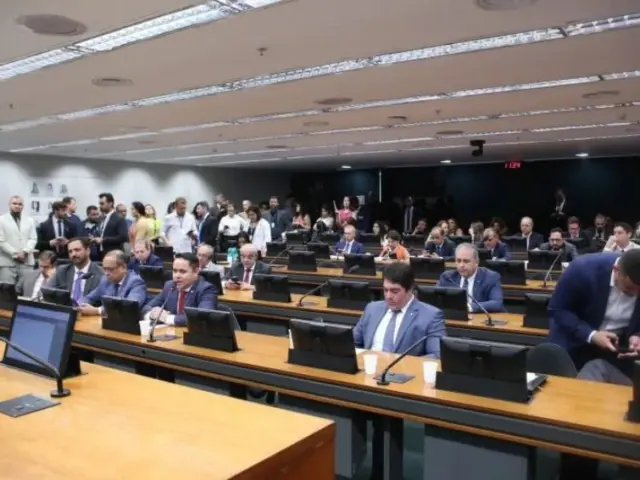
“Today, in the last meeting with the ONS (National Electricity Sector Operator), we came to the conclusion that there is no need of declaring daylight saving time for this period,” he declared.
As a result, the policy remains extinct, based on a decision taken in April 2019, when the administration of former president Jair Bolsonaro (PL) ended the measure in the country.
O minister justified the decision saying that the country has its energy security assured because of the beginning of a process of reestablishing – albeit modest – water conditions, which avoids the need to advance clocks by one hour this year.
According to him, with the return of the rainy season, the reservoirs will be supplied enough to guarantee energy generation in hydroelectric plants and close the year without major losses.
In addition to the rains, the minister claimed that measures taken by the Federal Government helped to preserve the capacity of the reservoirs headwaters by about 11%. “Among the actions, which are public, are the reduction of the flow of Jupiá and Porto Primavera”, said Silveira.
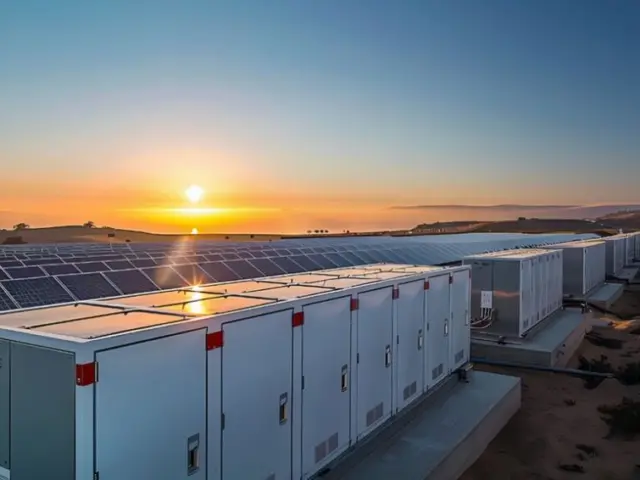
A contribution of solar energy generation during times of greatest demand by society (during the day) too gave security to the MME for decision-making, Silveira highlighted.
How did the discussions start?
As discussions about the possibility of the return of DST in 2024 intensified from the month of September to the detriment of the severe drought that is affecting the country.
O The Federal Government began to consider the possibility of advancing clocks by one hour in most states with the aim of shifting electricity consumption during peak hours, relieving pressure on hydroelectric plants.
According to data from Cemaden (National Center for Monitoring Natural Disasters), the Brazil is experiencing the “most intense drought in recent history”, this being the worst scenario in the last 74 years.
Before opting not to return to politics, the MME requested technical studies from responsible bodies, such as ONS (National Electric System Operator), to better support your decision.
Daylight saving time operation
Since its adoption, which became annual from 1985 onwards, the DST had as main aim to promote savings in energy consumption, since the population would have an extra hour of natural light and could avoid turning on various electrical equipment.
Before being extinguished, the Daylight saving time was in effect every year between the months of October and February in the Federal District and in the following states: Espírito Santo; Goiás; Mato Grosso; Mato Grosso do Sul; Minas Gerais; Paraná; Rio de Janeiro; Rio Grande do Sul; Santa Catarina; and São Paulo.
Don't miss any news from the electricity sector! Sign up to our Community by clicking here and get exclusive access to our content!
all the content of Canal Solar is protected by copyright law, and partial or total reproduction of this site in any medium is expressly prohibited. If you are interested in collaborating or reusing part of our material, please contact us by email: redacao@canalsolar.com.br.

Comments
Comments are moderated before publication.Comments should be respectful and contribute to a healthy debate. Offensive comments may be removed. The opinions expressed here are those of the authors and do not necessarily reflect the views of the author. Canal Solar.