

Brazil has a wide variety of electrical service standards in low-voltage systems. Depending on the utility company and the region of the country, it is common to find different networks. 127/220V, 220/380V, 110/220V or 120/240V, in addition to different single-phase, two-phase and split-phase configurations.
This historical diversity of network topologies creates a technical challenge for the distributed generation market, as many devices are designed to operate at only one or two specific voltage standards.
In practice, this means that integrators often need to select different inverters for each type of network, which increases the complexity of projects, makes it difficult to find the right product on the market, hinders the standardization of installations, and increases the need for different equipment models in stock.
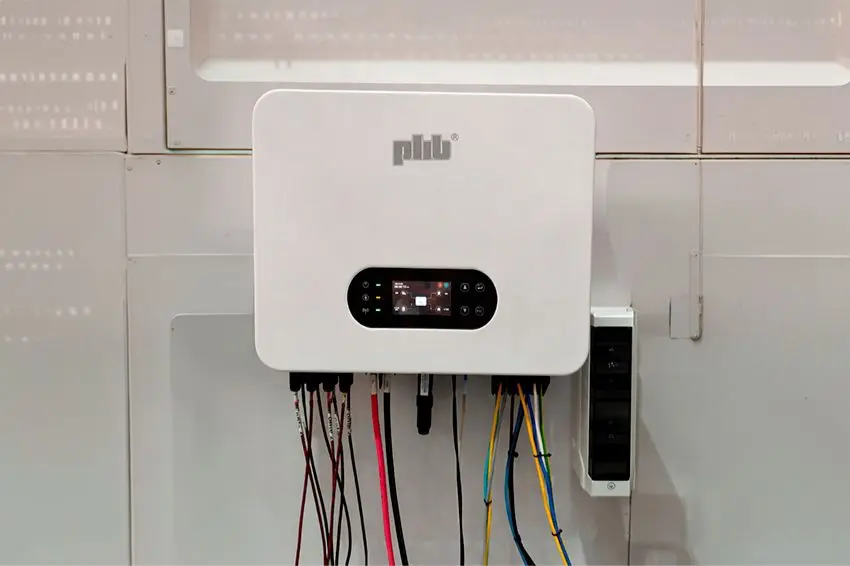
In this context, the PHB multi-grid hybrid inverter, developed specifically to meet the needs of the diverse electrical grids present in Brazil. The equipment was designed to operate in different voltage standards and power supply topologies, allowing a single inverter to be configured for multiple electrical arrangements found in the field.
Among the possible configurations are networks Split-phase (120/240 V or 127/254 V), two-phase 127/220 V and single-phase 220 V (both phase-to-neutral and phase-to-phase), significantly expanding the application flexibility of the photovoltaic system.
In practice, this feature simplifies the integrator's work, reduces the need for multiple inverter models, and allows the same equipment to be used in different regions of the country with grids of distinct characteristics.
Aiming to make life easier for the integrator, the PHB sales platform allows the type of network used to be selected, and the inverter will be shipped with this configuration, reducing installation time.
See the big difference: in just one device, you have the flexibility to connect to various types of networks, something that is usually done on the market using different inverter models, generally European or American standard.
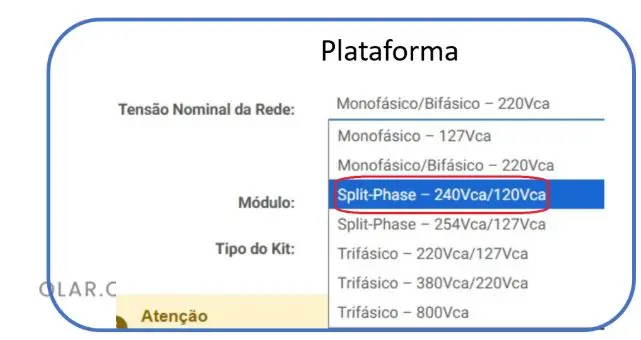
It is very important that the network type is selected on the PHB sales platform, so that the inverter will be correctly configured for the integrator, reducing installation time. Simply specify the network type, which can be easily identified by watching the YouTube video provided at the end of this article.
Furthermore, a detailed explanation of each network type is also provided, with the aim of giving integrators this knowledge of the different types of networks available in Brazil's distribution system.
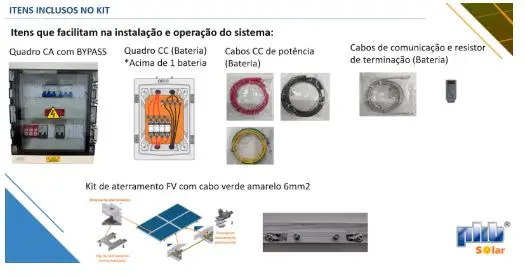
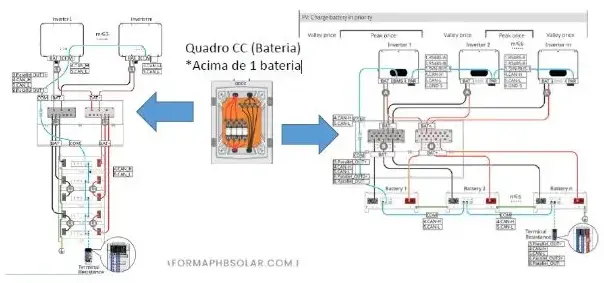
PHB provides the complete photovoltaic kit for the integrator, containing: AC distribution and protection panel with bypass (facilitates inverter maintenance without causing disruption to the customer), DC battery distribution panel (allows connection to a busbar when there is more than one battery in the system), battery interconnection cables (power and communication), and the photovoltaic grounding kit. This simplifies and reduces installation time.
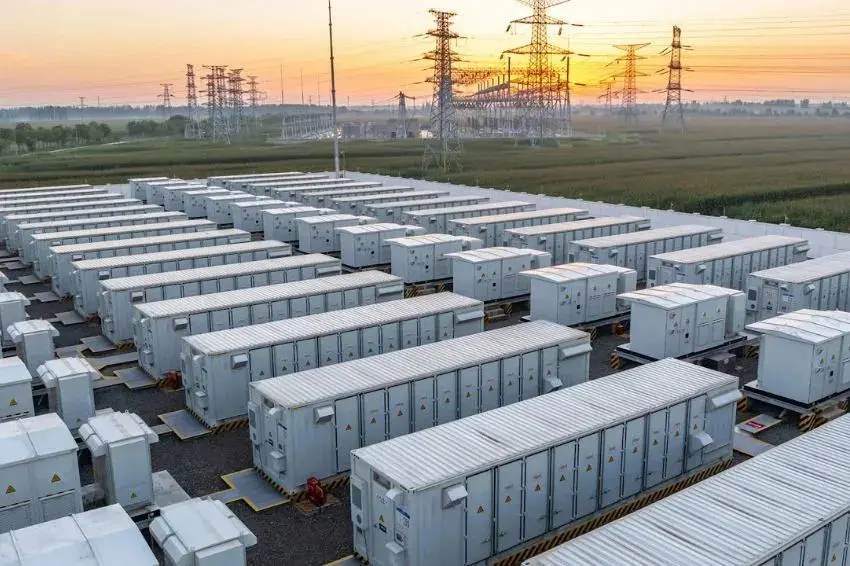
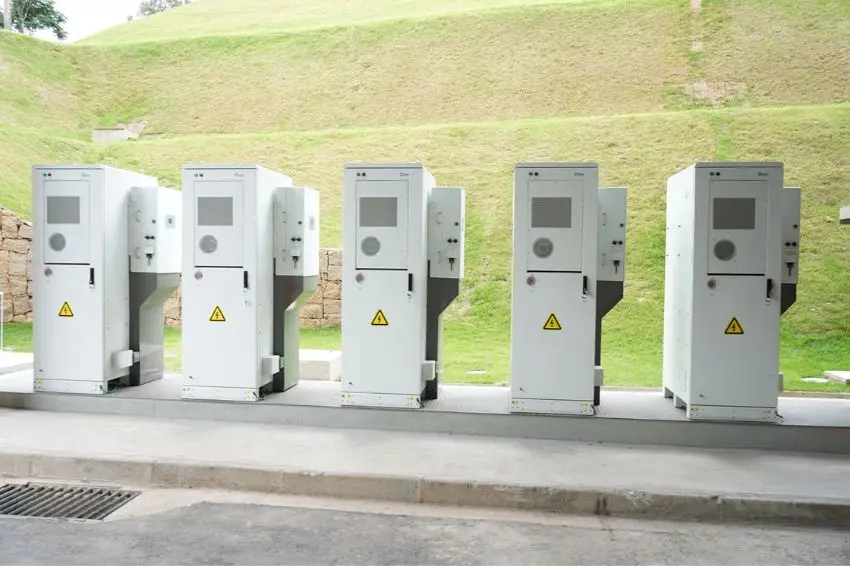
In addition to compatibility with different electrical grids, the hybrid system also stands out for its integration with lithium battery storage. PHB has inverters in its product line that can operate with... low voltage batteries (51,2 V) or high voltage batteries (192 to 576 V), enabling different storage architectures depending on the power and application of the system.
This modular concept allows for expanding energy capacity as needed for the installation, enabling applications ranging from residential to larger systems requiring greater energy autonomy.
Battery bank sizing follows relatively simple energy concepts, based on the relationship between power and operating time. The energy required for storage can be estimated by the relationship... Energy (kWh) = Power (kW) × time (h)...while the system's autonomy depends directly on the energy capacity available in the battery bank.
In this context, parameters such as SOC (State of Charge) and DoD (Depth of Discharge) These are fundamental to understanding the behavior of the storage system, indicating respectively the available charge level and the fraction of the total energy that can be used during operation.
Another relevant technical feature of the hybrid inverter is the presence of what is called SMART door, a flexible interface that expands the possibilities for energy integration within the system. This port can operate in different modes, allowing, for example, the connection of auxiliary generators, the supply of non-priority loads, or integration with other inverters in microgrid systems.
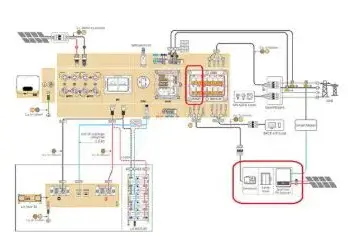
In practical applications, this functionality enables the retrofitting of existing photovoltaic systems, allowing previously installed string inverters or microinverters to be integrated into the system via AC coupling. The image below shows the operation of this port in this inverter model.
The battery connection architecture is also an important aspect of the system design. In smaller configurations, a direct parallel connection between battery modules, known as a "hand-to-hand" connection, can be used. In this case, the connection is used in the ES G2 line (up to 160 A).
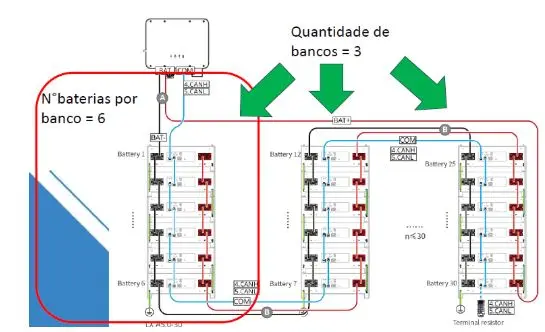
In higher-power systems, the use of bus bars This connection allows for a significant increase in the system's current capacity and improves electrical distribution, enabling operation with high currents. This connection is used in the ESLD line (up to 720A).
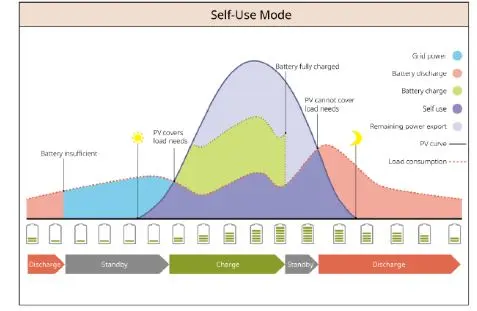
The application of this hybrid system allows for different energy operating modes, adapting the system's operation to the installation's needs. Among them is... local self-consumption mode and injection during the nightIn which the energy stored in the batteries is used intelligently to increase the simultaneity between photovoltaic generation and load consumption.
The system can be optimized to use the batteries for charging and discharging at more opportune times. This is an excellent strategy currently, given the cost of the B wire in the injection of energy from distributed generation (DG II) photovoltaic plants. The lower the injection into the grid, the better the financial return for the client, who will store this energy in the batteries and avoid injection, increasing its simultaneity.
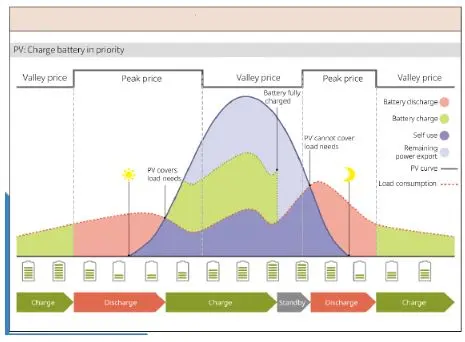
By combining operational flexibility across different power grids, integration with energy storage, and advanced energy management features, multi-grid hybrid inverters represent a significant evolution in the architecture of photovoltaic systems.
In a country with a wide variety of electrical standards and a growing demand for energy storage solutions, equipment with this versatility, integrating several models into one, tends to play an increasingly important role in the expansion of distributed generation and in building more flexible and resilient energy systems.
To see more details about this product and gain a full understanding of the most common networks available on the Brazilian market, as well as all the technical applications of PHB hybrid inverters, access the complete webinar via the link below and learn about all the technical applications of the equipment.
Discover:
The opinions and information expressed are the sole responsibility of the author and do not necessarily represent the official position of the author. Canal Solar.




Answers of 2
Dear colleagues, excellent news showing how solar power generation is experiencing an astounding technological development, although our country, as always, is characterized by great legal instability due to the lobbying of energy concessionaires and distributors. It is therefore up to the representative associations of the sector to fight hard to avoid losses and obstacles that allow us to classify Brazil as a very strange nation. As a striking example and a paradigm of what to do, we cite that in China, the solar power generation sector was responsible, believe it or not, for 30% of its GDP growth. Engineer and professor. Whatsapp and tel: (21) 997716277.
Excellent comment, Professor Hilton!
We must democratize technology, which is sustainable and brings numerous benefits to everyone, including the utility companies that currently don't invest in grid improvements but block small projects, while simultaneously building photovoltaic plants. The question is: if PV causes disruption, why do they invest heavily in this technology?