

Last week, Inmetro (National Institute of Metrology, Quality and Technology) announced the holding of a unprecedented operation that identified irregularities in photovoltaic panels marketed in Brazil.
At least one piece of equipment had significantly lower power than that declared by the manufacturer on the product label. The operation covered the states of Mato Grosso, Minas Gerais, Espírito Santo and Goiás.
In an exclusive interview to Canal Solar, João Nery Filho, Director of Conformity Assessment (Dconf) at Inmetro, spoke about the importance of this type of inspection to maintain the quality and conformity of products available on the national market.
The executive also confirmed that the Institute plans to carry out new inspections throughout Brazil and that the schedule is already being planned, so that other equipment – in addition to photovoltaic modules – will also be targeted by the operations.
Check out the main excerpts from the interview below:

Canal Solar: Will this inspection be recurrent? Are there other states planned as targets for future operations?
John Nery Jr.: This is a segment that has been gaining ground in Brazil, and we are dedicating special attention to it. Inmetro has the authority to carry out inspection actions throughout the national territory and is defining the calendar for the next steps.
How was this inspection action designed, structured and executed?
Inmetro follows a standard procedure for its inspections, based on the market surveillance strategy, which is routine in the agency's activities. They are carried out with the support of its 24 delegated bodies and two superintendencies.
What laboratory tests were carried out by Inmetro on the model that failed due to its significantly lower power than that declared? What was the actual power identified in the tests?
The tests were carried out by a laboratory accredited by Cgcre (General Coordination of Accreditation) of Inmetro, covering the requirements established in Inmetro Ordinance No. 140/2022.
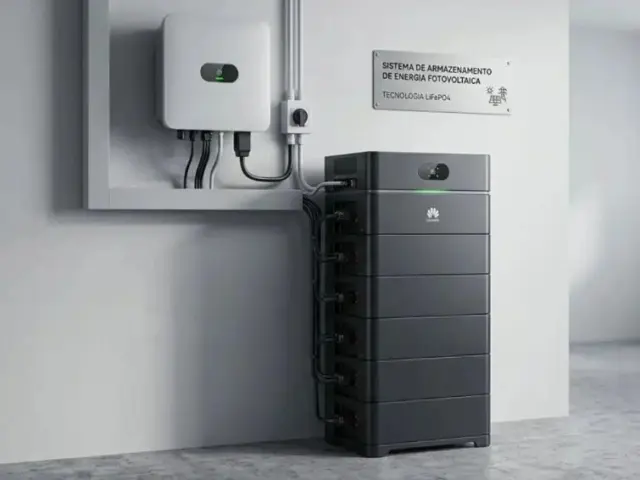
In addition to solar panels, does Inmetro plan to inspect other equipment that is part of a solar energy system, such as inverters and batteries?
Currently, the focus is on photovoltaic modules. We are developing safety and energy efficiency requirements for these other components so that they can also be monitored in the future.
How do you classify the importance of this operation and why?
Inmetro's mission includes strengthening national companies by increasing their productivity through improving the quality and safety of products and services. Thus, Inmetro has the responsibility to protect consumers, ensure the quality of products and services and promote safety in the market.
all the content of Canal Solar is protected by copyright law, and partial or total reproduction of this site in any medium is expressly prohibited. If you are interested in collaborating or reusing part of our material, please contact us by email: redacao@canalsolar.com.br.


Comments
Comments are moderated before publication.Comments should be respectful and contribute to a healthy debate. Offensive comments may be removed. The opinions expressed here are those of the authors and do not necessarily reflect the views of the author. Canal Solar.