

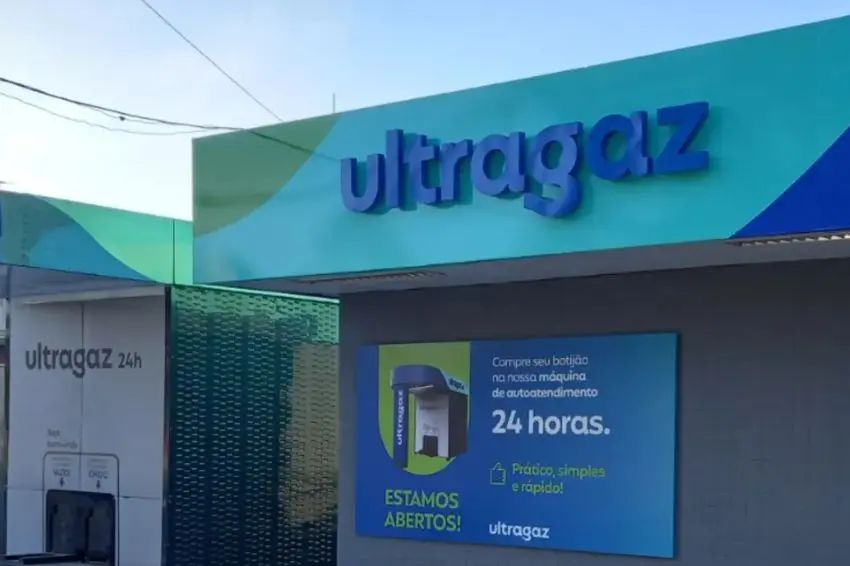
Ultragaz, part of the Ultra Group, has signed an agreement to sell its distributed generation (DG) solar arm to Veo Energia, part of the JEM Group (José Eduardo Muffato). The transaction, with undisclosed values, includes two photovoltaic plants in Ibirapuã (BA) and is subject to approval by CADE (Administrative Council for Economic Defense).
The decision comes four years after the company entered the electricity sector through the acquisition of the startup Stella GD for R$ 63 million in 2022.
“Distributed generation is something where, if you have difficulty scaling, you are always dependent on an asset tied to a distributor,” stated Lucas Witzler, the company's director of electrical energy. to NeoFeed journalist Ivan Ringelblom.
“GD is going through a period of rebalancing, there are a series of discussions about the model, and it is logical that these uncertainties regarding the future of the model were part of our decision to focus on a growth vector that is more certain,” Witzler told [the publication]. NeoFeed.
Since 2024, Utragaz has operated in the Free Energy Market using the retail model. Data from CCEE shows that the company serves 2,7 consumer units, operating under the retail model since 2024. The strategy integrates electricity into its gas portfolio for 53 business clients.
“We decided to focus on this segment because it will experience significant growth in the short term. By 2027, all business consumers will be able to purchase energy on the free market, and from November 2028, all consumers will be eligible for the free market,” commented Witzler.
With information NeoFeed.
all the content of Canal Solar is protected by copyright law, and partial or total reproduction of this site in any medium is expressly prohibited. If you are interested in collaborating or reusing part of our material, please contact us by email: redacao@canalsolar.com.br.
An answer
What's happening in this country is a regression of everything that started in this sector, as well as other segments. This current government's public policy is taking the country back to the time of the "oil lamp." They have no interest in the country's survival, but they forget that at some point there will be no more money to collect through taxes, the source will dry up, and unfortunately, future generations will pay for it. Although a large part of the population is to blame for not electing based on competence, but on vote-buying, mega-power plants in the Northeast are being shut down because there's nowhere to send the generated energy, because they don't invest in transmission networks. Unfortunately, we Brazilians don't have a first-world culture.