
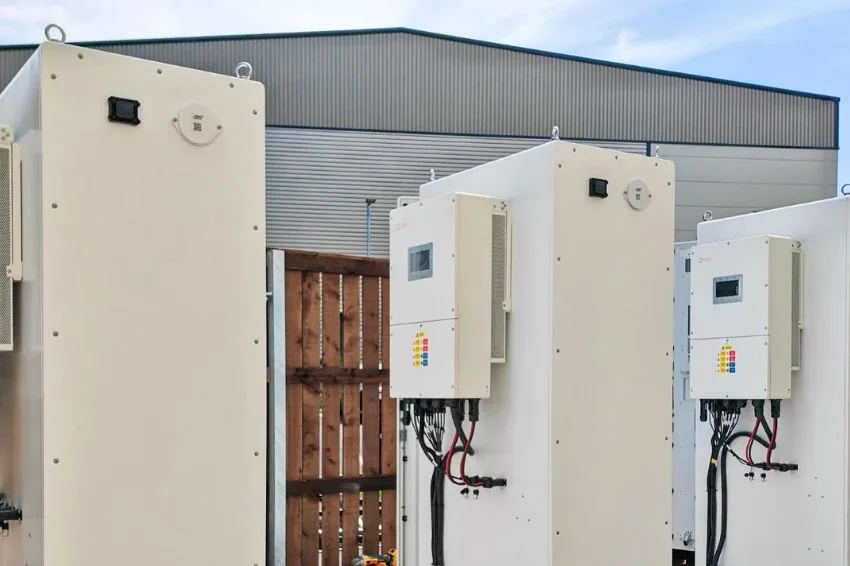
The energy storage market in Brazil is still in its infancy, but it already reveals where the biggest opportunities lie: in the commercial and industrial (C&I) segment. This is the assessment of Thiago Schoba, Marketing Manager at Solis, who believes that adopting battery systems goes beyond simply saving on energy bills.
"While the residential segment faces economic and regulatory barriers that still prevent revenue from being stacked, for C&I, the motivation is more strategic. Storage offers direct solutions to productivity and electrical reliability issues. In many cases, operational continuity is a vital asset," he explains.
He points out that a factory shut down for hours due to a grid failure can result in losses greater than the investment in a robust backup system. It is in this context that, according to Schoba, high-voltage hybrid inverters emerge as a competitive solution.
In addition to responding instantly to failures, they ensure voltage stability and protection against micro-interruptions—fundamental aspects in sectors that depend on continuous processes, such as data centers, laser cutting lines, CNC systems, and the plastics industry.
Another growing application is grid-zero. Instead of wasting excess photovoltaic generation, hybrid systems direct energy to batteries, maximizing self-consumption. "It's the ultimate solution for facilities seeking energy independence and security," Schoba emphasizes.
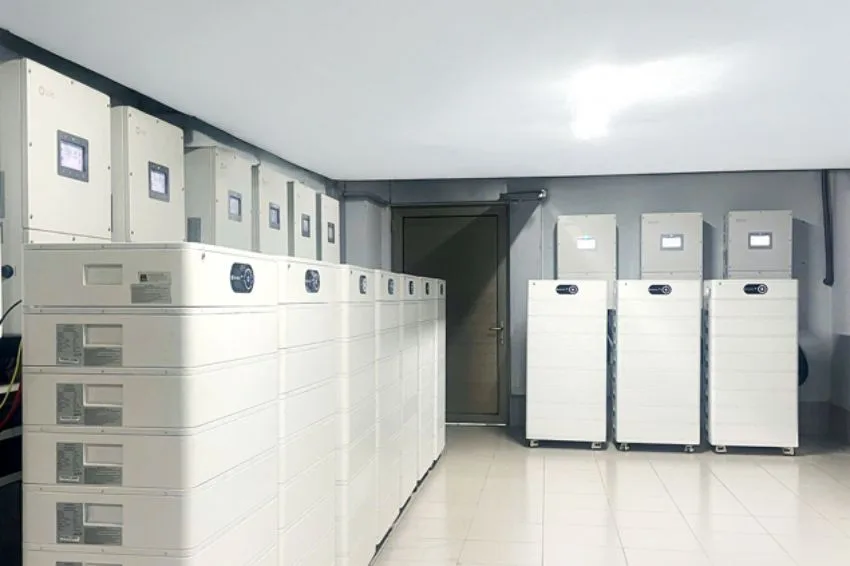
According to Greener research released in May, a 50 kW commercial solar system can pay for itself in less than two years. Even with the addition of batteries, the return on investment remains highly competitive—especially when compared to the cost of unscheduled downtime.
“Lithium batteries offer instant response time and protection that traditional solutions can hardly deliver with the same efficiency,” he adds.
Sector reform could accelerate the market, says Solis
In Solis' view, the scenario should become even more favorable with the reform of the electrical sector, under discussion in Congress, and with the imminent regulation of ANEEL (National Electric Energy Agency). The expectation is that new rules will provide remuneration for storage agents, which would open up space for different business models.
"This will be a decisive step for companies that want to lead the energy transition. Solis, as a global leader in inverters, is ready to guide the C&I market in this new era," says Schoba.
The manufacturer participates in the Intersolar South America 2025, from August 26th to 28th, where it will showcase storage solutions and grid-zero systems for the C&I market. During the event, it will also promote an exclusive pre-launch: the 125 kW hybrid inverter, designed to meet the highest demands of the commercial and industrial sectors.
"We want to demonstrate, in practice, how it's possible to transform challenges into opportunities and strengthen the energy security of Brazilian companies. The future of solar energy with storage has already begun, and we're ready to be protagonists in this journey," he concludes.
all the content of Canal Solar is protected by copyright law, and partial or total reproduction of this site in any medium is expressly prohibited. If you are interested in collaborating or reusing part of our material, please contact us by email: redacao@canalsolar.com.br.

Comments
Comments are moderated before publication.Comments should be respectful and contribute to a healthy debate. Offensive comments may be removed. The opinions expressed here are those of the authors and do not necessarily reflect the views of the author. Canal Solar.