
The ONS (National Electric System Operator) and the ANEEL (National Electric Energy Agency) have moved forward in building a regulatory sandbox to test the practical operation of the DSO (Distribution System Operator) and the integration of this type of future agent with the ONS itself.
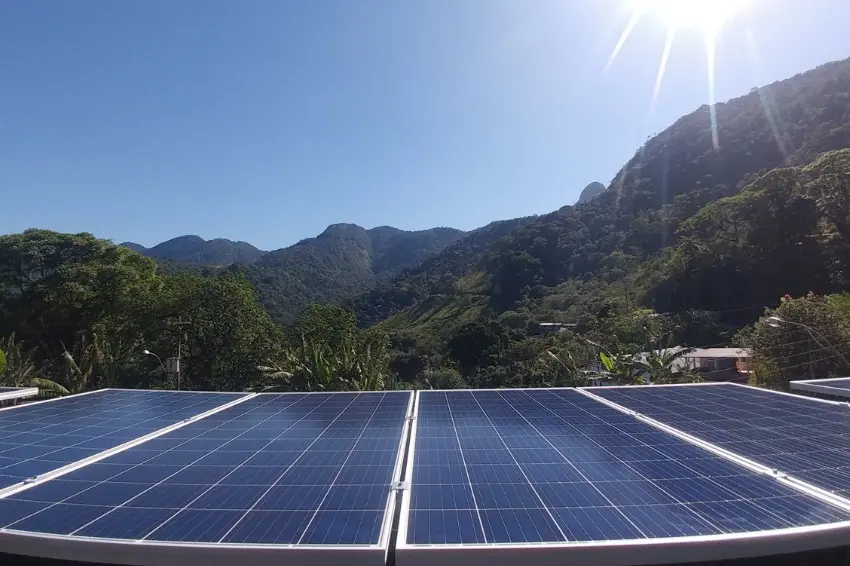
The initiative aims to create, on an experimental basis, mechanisms to coordinate Distributed Energy Resources (DERs), especially in light of the growth of Distributed Generation (DGM) and the impacts that generation connected to distribution networks has begun to have on the operation of the National Interconnected System (SIN).
The understanding between the two institutions was built upon the creation of a Working Group on June 2nd, during a meeting between the teams from ONS and the Superintendency of Regulation of Transmission and Distribution Services. ANEEL.
Since then, weekly meetings have been held, resulting in a proposed draft authorization resolution and the initial design of the sandbox. ONS states that the responses submitted to the agency accurately reflect the understandings reached jointly during this process.
Testing for the new reality
At the heart of the proposal is the MAI (Intermediate Activation Mechanism), designed to allow distributed resources to be activated in a coordinated manner between ONS and distributors.
The intention is to test, in the short term, a new operational interface capable of handling situations where distributed generation significantly interferes with the balance between load and generation.
To make the experiment feasible, the ONS proposes flexibilities in different regulations, including modules of PRODIST, Aneel Resolution No. 1.000/2021, and provisions related to the operation of distribution companies.
Among the possibilities are generation limitation or cut-off, active power dispatch, dynamic limitation and operational commands on the MMGD, in addition to changes in the connection, observability, controllability and telecommunications requirements of the REDs.
Rules are also foreseen to define communication between ONS (National System Operator), distributors and distributed resources, data exchange, real-time action procedures and the handling of events triggered by operational commands.
Five distributors
ONS selected Cemig-D, Copel, CPFL Paulista, Energisa Mato Grosso, and Neoenergia Elektro to participate in the sandbox.
The selection took into account, among other factors, the high presence of distributed generation in the respective concession areas, the diversity of business groups, and the technical and technological maturity required for the experiment.
CEMIG-D stands out for its installed distributed generation capacity in its area, while Energisa Mato Grosso has a relatively high share of this generation in relation to state demand.
The selection process also considers different operational contexts, with the expectation that the results will produce learning applicable to other regions of the country.
The available technological infrastructure is another criterion. ONS points to the need for systems such as ADMS (Advanced Distribution Management System) and DERMS (Distributed Energy Resources Management System), capable of expanding the observability and control of the networks.
At the same time, the proposal seeks to leverage existing communication and data transmission structures, avoiding immediate additional investments for the interface between ONS and distributors.
GD participation will be mandatory.
One of the most relevant points of the proposal is that the REDs (Remote Energy Distribution Networks) located in the areas of the five distribution companies must participate in the sandbox. According to the ONS (National System Operator), this measure is necessary to ensure the test is comprehensive and allows for the evaluation of the coordinated performance of resources in real-world operating situations.
At the same time, the proposed model does not provide for remuneration or reimbursement to participating generators when there are activations or reductions in generation. The ONS considers these interventions to be strictly operational measures, intended to preserve the balance between generation and load and the security of the system.
The proposal also allows for the participation of RED operators or intermediaries to organize these resources, but without transferring to them the regulatory and operational responsibilities assigned to the distributors.
Questions
The choice of distributors as the structures responsible for the role of DSOs, however, has already been questioned in articles published in Canal Solar by the experts Marina Meyer Falcao, professor at PUC in the Postgraduate Program in Solar Energy, and José Wanderley Marangon Lima, volunteer tenured professor at UNIFEI (Federal University of Itajubá).
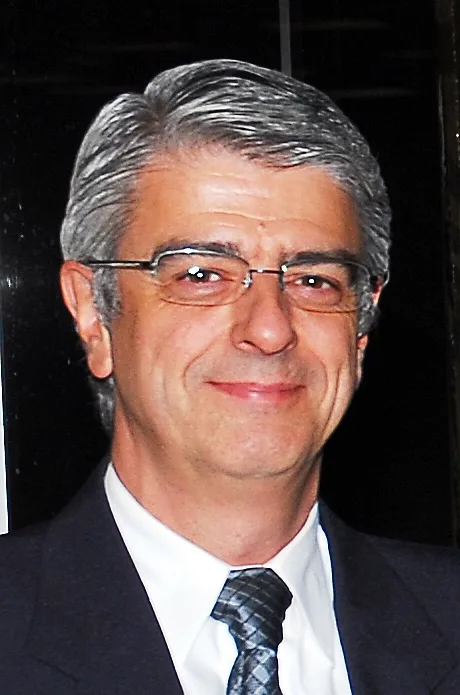
Marina argues that assigning the role of DSO (Distributed Supply Operator) to the distributors themselves could create conflicts of interest, because these companies also operate in an environment where distributed generation can compete with traditional supply solutions.
In her assessment, the design proposed by the ONS could represent centralization and not guarantee the neutrality necessary for the operation of the network. She advocates for a model based on an independent and neutral operator.
Wanderley starts from another aspect, namely, that the transformation of distribution with the entry of distributed generation, batteries, and electric vehicles has made energy flows increasingly bidirectional and brought the operational complexity of distribution networks closer to that observed in transmission.
In reviewing the process of unbundling the electricity sector, including the creation of the ONS in Brazil, he also argues that a DSO (Distribution System Operator) independent of distributors would be necessary to ensure operational neutrality and non-discriminatory access.
all the content of Canal Solar is protected by copyright law, and partial or total reproduction of this site in any medium is expressly prohibited. If you are interested in collaborating or reusing part of our material, please contact us by email: redacao@canalsolar.com.br.

Comments
Comments are moderated before publication.Comments should be respectful and contribute to a healthy debate. Offensive comments may be removed. The opinions expressed here are those of the authors and do not necessarily reflect the views of the author. Canal Solar.