
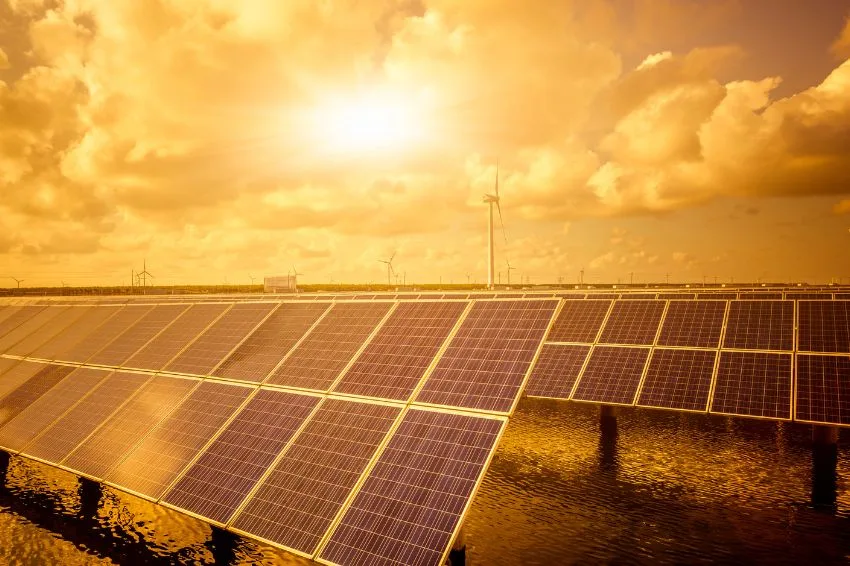
A ANEEL (National Electric Energy Agency) published, last Friday (10), the Normative Resolution No. 1.059, which regulates Law 14.300 in Brazil.
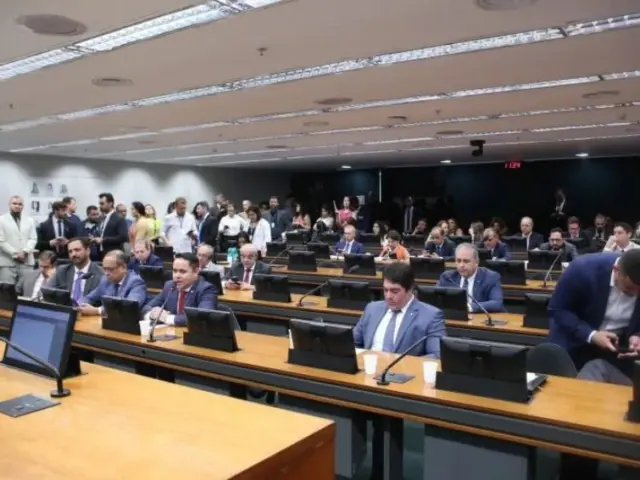
The document brought some changes to content presented in draft by rapporteur director Helvio Guerra to adapt to what was discussed during the vote between directors, the Agency's technical area and agents in the electrical sector.
In understanding some of the main companies in the photovoltaic market the measure forces the sector to adapt to the related points the rules for connecting and billing microgeneration and distributed minigeneration plants, as well as the compensation rules.
Gustavo Tegon, CMSO of Esfera Solar, assesses that the distributed generation segment in the country will go through a period of great changes, in which the market still needs to study every detail that ANEEL is proposing.
“The most important thing is for everyone to know that nothing will stop solar energy in Brazil and that all discussions will be carried out at a high level so that we are fully capable of making history in our country with the generation of clean energy”, he said.
Roberto CaurimCEO of Bluesun, in turn, highlighted that the sector will go through a moment of instability due to the approval of the Resolution at a time when Brazil's reservoirs are full and with a Government transition that does not plan to initially increase the value of the electricity bill per political issues.
“If we take the conjunction of these three factors we have a perfect storm for the solar energy sector. The positive point is that it will have a short-lasting effect, as as soon as the electricity bill increases, the first increase will create a sense of urgency among consumers to install solar energy systems.”
Read also
-
ANEEL publishes Resolution regulating Law 14.300/2022
-
Sector presses for the processing of PL 2703 after regulation of 14.300
-
Regulation of Law 14.300: what is TUSDg for group B?
Yes, Bruno Catta Black, Director of Institutional Relations at Genyx, said that the result of the vote on the regulation of Law 14.300 was not what the market would like, but that it was already expected.
“Soon after the publication of Law 14.300, it was already known that the legislation would need to be regulated and that it would be the role of the ANEEL do this. The Agency did nothing more than fulfill its role and what is up to us now as agents of the Brazilian solar market is to interpret the law as it was established and regulated”, he commented.
According to Catta Preta, there will still be many growth opportunities for the source in the country. “We have, for example, companies celebrating the reduction in payback with the end of double charging for the availability fee. So, solar energy will remain profitable and viable in Brazil,” he highlighted.


Comments (3)
Comments are moderated before publication.Comments should be respectful and contribute to a healthy debate. Offensive comments may be removed. The opinions expressed here are those of the authors and do not necessarily reflect the views of the author. Canal Solar.
I've always said this because it constitutes double charging, when news comes of companies closing and unemployment in the sector, the government will certainly take the correct action to put an end to this charging once and for all, which is almost immoral!!
What I don't see anyone considering is the injected energy that is immediately sold by the concessionaire. This energy, when not consumed by the solar energy producer, remains as credit in kind that the concessionaire uses to buy more energy and sell again. You would have to do a survey of how much energy a concessionaire buys and how much it sells... you will notice that it is buying less and selling more. This fact, duly studied and proven, would lead to the possibility of encouraging micro and mini generators to inject more energy into the grid, if they had a benefit, it would make the system more autonomous from diesel generation, which in turn would make the energy cheaper.
The recommendation not to charge double availability fees, for the sake of fairness, was positive. However, there is still the problem of charging TUSDg and we do not know how it will be done. In addition to this charge being unfair, I hope that concessionaires do not try palliatives to charge this fee, as they will have to invest to charge them to users.