
The regulation of Brazil Semicon (Brazil Semiconductors Program), formalized by Decree No. 13.065 / 2026This marks a new stage in industrial policy aimed at strengthening the national production of high-tech components.
Created by Law No. 14.968/2024, the program establishes guidelines to encourage research, development, innovation, production, and application of semiconductors, displays, and solar panels, while also updating and expanding the instruments of... PADIS (Support Program for Technological Development of the Semiconductor Industry).
In practice, Brasil Semicon incorporates PADIS as its main mechanism for fiscal incentives. While the new program defines the national strategy for research, innovation, training, financing, and attracting investment, PADIS will offer instruments for tax relief, financial support, and incentives for local production.
The regulation also extends the incentives until the end of 2029 and expands their scope to include software, specialized services, technical assistance, and other stages of the production chain.
Storage industry
In evaluating the ABSOLAR (Brazilian Photovoltaic Solar Energy Association), the main advance in regulation goes beyond the photovoltaic chain.
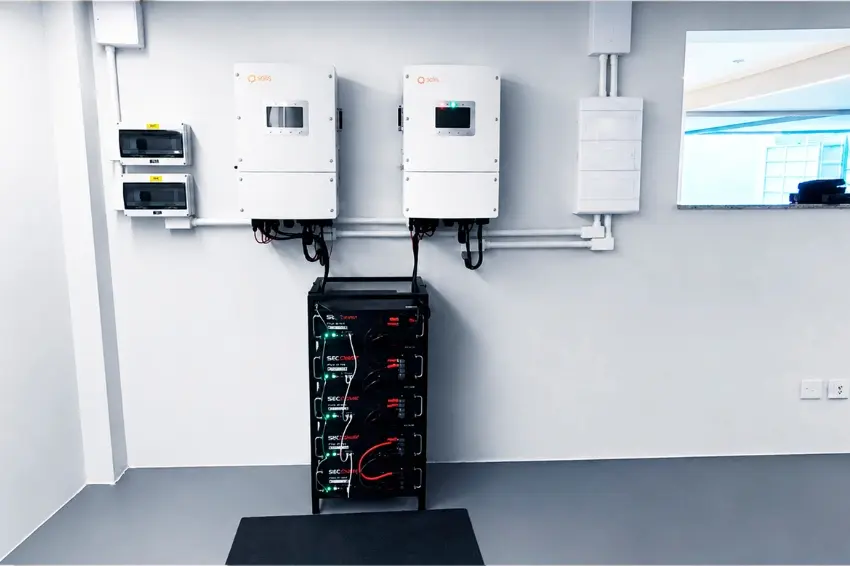
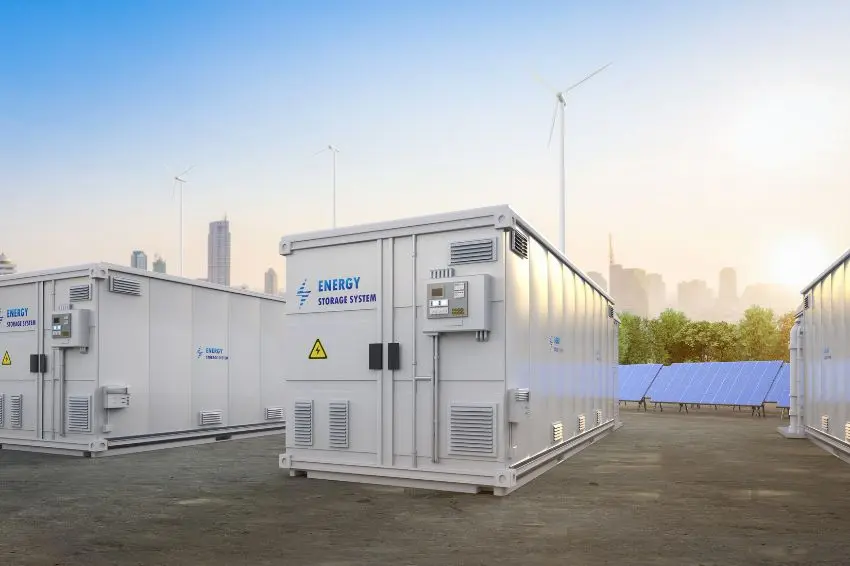
According to the organization, the most relevant new development is the inclusion of the energy storage systems industry among the segments directly benefiting from the program.
In an interview with Canal Solar, the Technical-Regulatory Manager of ABSOLARIsabella Sene states that the new decree significantly expands the scope of PADIS.
"The Brazil Semicon Program extends PADIS, the incentive for innovation and research, and above all brings important change to the photovoltaic solar sector," she said.
According to her, one of the main changes was abandoning the previous logic, based solely on specific tax classification codes, to adopt a more comprehensive scope of incentives for industrial activities.
In practice, Isabella explains, this allows companies to develop new technologies without depending on a previously existing classification for their products.
"Today, access has become easier, even if you're not developing existing equipment. This greatly favors innovation, for example," he points out.
Strategic position
For ABSOLARHowever, the most transformative aspect of the regulation is the explicit inclusion of batteries among the products covered by the program.
According to Isabella Sene, the decree incorporates specific tax codes for this equipment, allowing national manufacturers to access the same incentive instruments already in place for other segments of the high-tech industry.
According to the executive, this decision is even more relevant because it comes just a few months before the two stages of the LRCAP (Auction for Reserved Capacity in the Form of Power) for batteries, scheduled for December, which will include products intended for national storage systems.
According to her, a combination of stimulating supply and signaling demand is being created. "We are creating an incentive for manufacturers to enter the country and are also already indicating demand through the capacity reserve auction."
Stay competitive
Another point highlighted by ABSOLAR The program has the potential to reduce some of the competitive gap between products manufactured in Brazil and imported equipment.
Although she acknowledges that new domestic manufacturers still face higher implementation and production costs, Isabella states that tax incentives tend to bring the conditions closer to a level playing field.
According to the association's manager, this environment can stimulate both the expansion of already established manufacturers and the entry of new investors.
She cites Brazilian companies that already operate in the storage segment and believes that international groups may also expand their industrial presence in the country as a result of the new incentives.
“We already have significant domestic manufacturers, and with this incentive, they will be able to develop even further. We also have the possibility of attracting new manufacturers,” he notes.
research and innovation
The regulation maintains the requirement that beneficiary companies reinvest part of their revenue in R&D (Research, Development and Innovation).
For ABSOLARThis exchange does not represent an obstacle, but an important mechanism for consolidating technological knowledge in the country.
According to Isabella, PADIS's own experience demonstrates that these resources have already contributed to structuring national laboratories for testing photovoltaic equipment, reducing dependence on tests carried out abroad.
"Today, if we have national laboratories capable of performing this type of test, it's because of the return on investment for national manufacturers in this chain," she assesses.
Next step
Despite the positive assessment, the ABSOLAR It understands that there is still room for further regulatory improvements, especially related to the tax burden on batteries and mechanisms that could accelerate the development of the national industry.
Nevertheless, the organization considers the regulation an important step forward by connecting tax incentives, industrial policy, and concrete market prospects for energy storage.
According to Isabella Sene, the strategy adopted by the government creates conditions for the national battery industry to follow the trend already observed in the photovoltaic segment.
all the content of Canal Solar is protected by copyright law, and partial or total reproduction of this site in any medium is expressly prohibited. If you are interested in collaborating or reusing part of our material, please contact us by email: redacao@canalsolar.com.br.