
When we talk about photovoltaic solar energy, everything seems grand. In Brazil alone, installed capacity increased by almost 70% from 2019 to 2020 – even in a pandemic context. The total power of photovoltaic solar energy reached 8 GW. And the outlook for the end of 2021 is to reach 12,56 GW, according to data from ABSOLAR (Brazilian Photovoltaic Solar Energy Association).
Without a doubt, these are numbers to celebrate. But the truth is that we are still at the beginning of a long-term path. The world population is increasing and the need for energy generation is also growing.
When we look in detail at some energy sources, we realize that fossil fuels, still very popular, are quite polluting; nuclear energy is cheaper, but presents considerable risks (who doesn't remember accidents like the one in Fukushima, Japan, in 2011?); and climate and environmental issues make it difficult to implement new hydroelectric plants.
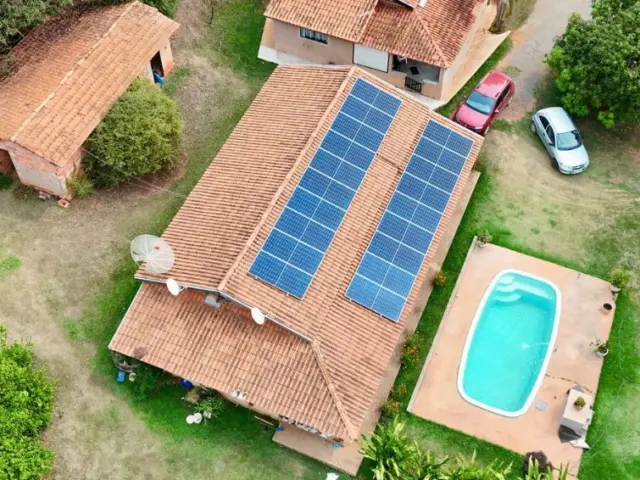
Meanwhile, the potential of a clean and renewable source such as photovoltaic solar energy is still at the beginning of exploration and in Brazil is growing exponentially.
Studies by the research company BloombergNEF, a specialist in renewable energy, estimate that by 2050 photovoltaic solar energy generation worldwide will reach 38% of the total, compared to 9% recorded in 2019.
In Brazil, this proportion could be even higher, taking advantage of the country's favorable characteristics for solar energy, and reach 48% of the total. This expectation considers both the fact that equipment used for solar energy has been falling in price and its evolution, with increasing efficiency.
Over the past decade, the price of solar panels has fallen by nearly 90%, and module efficiency has increased by 20%. As solar energy becomes more widely adopted, we can expect countries – and the energy companies that supply cities – to adapt to new models.
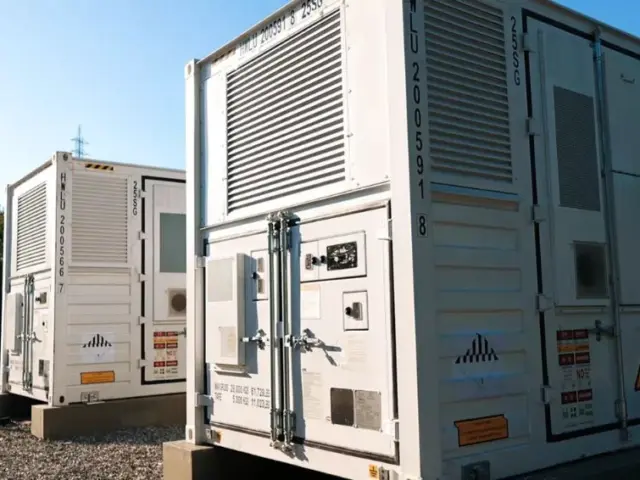
Today, a home that generates energy from solar panels can either store the excess energy in batteries or inject this additional energy into the grid in exchange for credits. But in some places, such as California and Hawaii (USA), Australia and Germany, the grid is not able to receive all this additional energy generated by solar panels – or the electricity companies are not interested in buying this volume at a certain time of day.
In such cases, one way out is to store it locally in batteries or use the surplus to charge cars and equipment, heat water, and so on. We are not at that point yet in Brazil. Here, the model works with credits paid by electricity companies.
But if in the past people thought that by using photovoltaic energy systems they could disconnect from the grid and no longer need electricity companies, over time what has proven to be the most realistic scenario is a partnership model, combining locally generated energy with that coming from the electricity grid.


Comments (3)
Comments are moderated before publication.Comments should be respectful and contribute to a healthy debate. Offensive comments may be removed. The opinions expressed here are those of the authors and do not necessarily reflect the views of the author. Canal Solar.
Excellent article Yoni Ziv. Bring more global news to us.
We hope that in Brazil the interest in sustainable development will prevail, and not that of economic groups.
Congratulations for the initiative