
A decision taken by ANEEL (National Electric Energy Agency) to waive the analysis of flow reversal for systems GD (distributed generation) in just three very specific scenarios was heavily criticized by the photovoltaic sector.
Among the main points of the deliberation is exemption from flow reversal studies for cases in which the power of the distributed microgeneration is equal to or less than 7,5 kW, as long as it is characterized as local generation.
However, to achieve this, the consumers must sign a waiver in which they declare that they are aware that They will never be able to allocate surpluses generated to another consumer unit owned by you.
Furthermore, ANEEL approved two other options for waiving flow inversion studies. Find out more by clicking here.
Em interview ao Canal Solar, Hewerton Martins, president of MSL (Movimento Solar Livre), highlighted that the new deliberation of the ANEEL is expected to cause significant damage to the solar energy sector in Brazil.
The professional also said that sector associations are already mobilizing with the National Congress in search of solutions that allow Brazilians to have the right to generate their own energy guaranteed by current legislation: Law 14.300/2022, which establishes and defines all DG rules in the country.
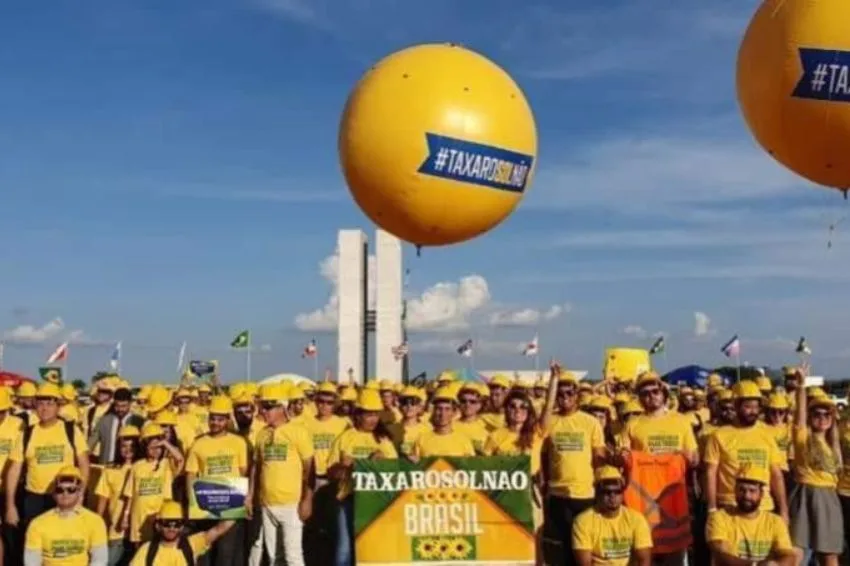
The executive also commented that the solar energy industry is organizing itself, in parallel to this, to carry out a manifestation in Brasília (DF) in favor of the distributed micro and mini-generation solar energy sector. The mobilization will be carried out In August, but it does not yet have a defined date.
Check out the full interview below:

The regulation of ANEEL, as presented at the public hearing on July 23, raises some crucial questions about consumer rights, energy legislation, and economic and social impact. Could you comment on how Law 14.300/2022 aligns with consumer rights?
Of course, Law 14.300/2022 establishes that the consumer has the right to send the surplus energy generated to other units of the same ownership. This allows better use of energy generated by microgeneration and distributed minigeneration systems, economically benefiting consumers and encouraging the adoption of renewable energy sources.
The proposed regulation of ANEEL seems to limit this possibility, especially for systems up to 7,5 kW. How does this impact consumer rights?
Exactly. The proposal of ANEEL directly contradicts Law 14.300/2022 by limiting the transfer of surplus energy generated. This not only violates consumers' rights, but also prevents them from maximizing the use of their own energy generation, especially when the law defines microgeneration as up to 75 kW. This limitation significantly affects the economic viability of solar energy systems.
ABRADEE's presentation, at a public hearing, highlighted that the issue of flow reversal is not an engineering problem, but an economic and regulatory one. What is your opinion on this?
ABRADEE made it clear that the flow reversal is an economic and regulatory issue. This indicates that the restrictions imposed by ANEEL aim to protect the economic interests of energy distributors, to the detriment of consumer rights. We need regulations that balance the interests of all stakeholders, without compromising the development of the sector.
What are the impacts of this proposed regulation on the solar energy sector and jobs in Brazil?
The proposed regulation has a devastating impact on the solar energy sector. Limiting the transfer of surplus energy and restricting systems to 7,5 kW, while the law allows up to 75 kW, could lead to the closure of thousands of jobs. This is extremely worrying, as the sector employs thousands of people across Brazil, from north to south, installing photovoltaic panels. The loss of these jobs goes against the current government's public policies to generate employment and income, creating a major economic problem.
Given this situation, what can be done to guarantee consumer rights and the survival of jobs in the sector?
It is essential that there is a review of this regulation to ensure that the rights provided for in Law 14.300/22 are respected. The fight for approval of Bill PL 624/2023 in the Senate is crucial to getting back on track with the approved law and guaranteeing thousands of jobs and consumer rights. We need fair and balanced regulation that does not compromise jobs and the country's sustainable economic development. In parallel to this, just as happened in 2019 e 2021, we are also organizing a demonstration in Brasília (DF) in favor of the sector's rights in August this year.
all the content of Canal Solar is protected by copyright law, and partial or total reproduction of this site in any medium is expressly prohibited. If you are interested in collaborating or reusing part of our material, please contact us by email: redacao@canalsolar.com.br.

Comments (3)
Comments are moderated before publication.Comments should be respectful and contribute to a healthy debate. Offensive comments may be removed. The opinions expressed here are those of the authors and do not necessarily reflect the views of the author. Canal Solar.
A ANEEL, like the entire Government structure, mobilizes to preserve its own interests to the detriment of consumers. It also makes it difficult to grant tax benefits in mini-energy generation projects and others.
I have had a plant set up since November 2023 and have not released it because of this flow reversal.
Brazil has a Project: Without Progress and Order. But comfort the upper caste, where they maintain the vilification and plunder of national wealth!!