
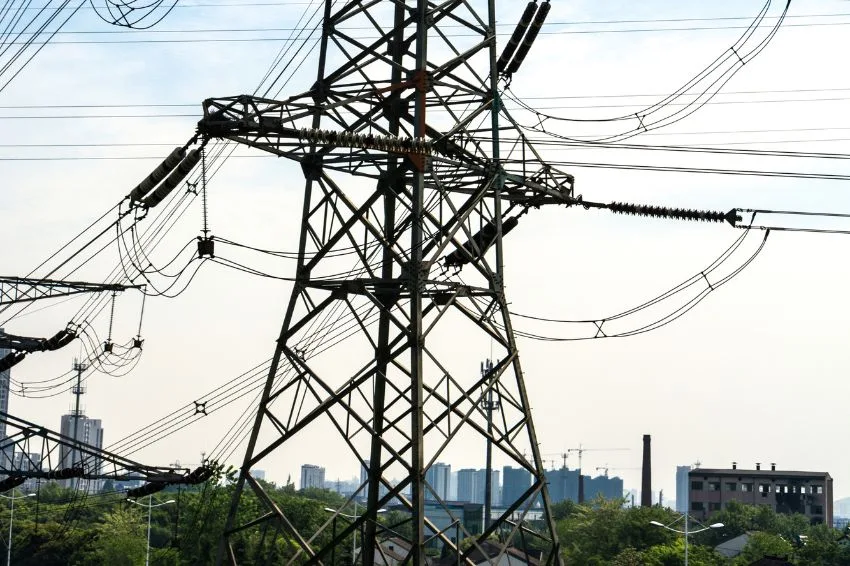
Eight megatrends are expected to revolutionize the generation, transmission, distribution and commercialization of electricity in the country, with profound impacts on Brazilian society.
With 80% of its energy generated from renewable sources and ranking 7th in the world in terms of consumption, Brazil can position itself as a protagonist in the global energy transition, moving closer to developed countries.
This is the assessment of the study by energy consultancy Envol, which highlights eight megatrends that will transform the SEB (Brazilian Electric System) by 2034.
“These megatrends are opportunities for us to move towards a more sustainable energy matrix, gradually impacting the market over the next 10 years,” says Alexandre Viana, CEO of the company.
To identify and select megatrends for the Brazilian electricity sector, the study began with a comprehensive mapping of global issues under discussion in the energy sector. The institutional relevance of these issues was then verified, analyzing the maturity of the discussion in international organizations.
Following this analysis, the study considered the potential transformative impact of these issues, both on energy businesses and society, by reviewing academic and economic studies for 2025-2034. Finally, Envol drew up a list of priority megatrends, selecting those most suitable to guide the future of the Brazilian electricity sector.
Check out the megatrends identified for the Brazilian Electrical System until 2034.
green hydrogen
Currently, 95% of the hydrogen is produced from fossil fuels, but the shift to renewable sources is gaining momentum, especially in the EU, China and the US, as part of efforts to reduce carbon emissions.
According to Viana, Brazil, with its clean energy matrix, is well-positioned to lead the production of renewable hydrogen, a key piece in the quest for carbon neutrality by 2050.
Storage
The demand for flexibility in electrical systems, driven by the consolidation of renewables and greater consumer empowerment, favors the use of technologies such as lithium batteries. These solutions allow the storage of surplus energy, ensuring more stable and efficient networks.
“Energy storage, popularly known as batteries, is a promising technology in the energy transition process for its use associated with the generation of renewable energy, as well as in transportation (electric cars) and in other applications that allow optimizing the use of electricity, or even providing some types of ancillary services”, highlighted the CEO.
energy transition
Replacing fossil fuels with renewable technologies faces political and practical challenges, such as the demand for rare earth metals and the integration of green hydrogen. Although significant progress has been made, the current global scenario shows that renewable sources have played a complementary role, without fully replacing fossil fuels.
“It is a megatrend that mixes with a reality already underway in some energy aspects, especially when addressing the context of renewable generation in electrical systems”, says Viana.
Distributed Energy Resources
Distributed Energy Resources (DERs) are energy generation and consumption units located close to the consumer, usually at the distribution level, such as DG (distributed generation) systems, and have become more popular due to technological advances and consumers' desire for more control over their energy consumption. In Brazil, DG reached an installed capacity of approximately 35 GW in 2024.
In the coming years, the discussion on how to improve the commercial and regulatory rules of REDs will gain relevance, including the role of the aggregator in the settlement and commercialization of energy, either via the marketer or with the distributor acting as a mini-system operator.
Eletric cars
Os eletric cars are gaining global relevance as a solution to reduce dependence on fossil fuels for transportation. China is leading this transition, while adoption in the US, the European Union and Brazil is progressing more gradually. Although they still face challenges with charging infrastructure, they continue to evolve with improved batteries and expanding charging networks.
Artificial Intelligence
Artificial Intelligence is expected to impact all sectors of the economy. In the electricity sector, the tool can help optimize renewable resources and accelerate the energy transition.
However, Alexandre warns of the gap between use and regulation. “AI can transform the electricity sector, but its regulation needs to keep pace with innovation,” says Viana.
Digitalization of electrical systems
Since 2010, with the introduction of electronic meters, digitalization has gained momentum in developed countries. This transformation seeks to integrate advanced technologies into all stages of the electricity sector value chain, improving the efficiency, operation and management of networks.
However, it also brings challenges, especially when it comes to privacy and the protection of consumer data, as detailed consumption analyses can expose sensitive information about individuals' lifestyles.
Among the most promising technologies for the electricity sector, data mining, machine learning, smart meters, the Internet of Things (IoT), cybersecurity and process automation stand out.
Electrification of Society
Finally, the electrification of society, driven by renewable sources, aims to replace fossil fuels and adapt transmission networks to support greater load and the integration of renewable energies, without compromising stability.
However, Viana emphasizes that, to make this trend viable, it is necessary to overcome challenges related to inertia and stability. “To achieve the decarbonization goals by 2050, greater political commitment is essential, including the replacement of combustion vehicles with electric ones,” says Alexandre.
Envol predicts that distributed energy resources and artificial intelligence are already underway, battery consolidation is expected to occur by 2025, electric vehicles and the digitalization of energy systems by 2027, while the electrification of society and green hydrogen are expected to consolidate by 2029.
Regulation for megatrends
Despite Brazil’s great potential, the country still faces significant regulatory challenges in supporting megatrends in the energy sector. “The main concern is to avoid technological ‘lock-in’, in which the sector becomes dependent on a single solution over time, in addition to defining the appropriate allocation of costs and risks involved,” says Alexandre Viana, CEO of Envol.
To ensure a successful transition, Viana proposes a three-step approach: first, carry out an analysis of existing regulatory options; then, adopt an international benchmarking, based on good practices, such as those of the United Kingdom; and, finally, adapt the solutions to the Brazilian reality, considering the specificities of our energy system.
“One of the biggest challenges is to balance regulation that attracts investment and, at the same time, promotes a fair allocation of costs and risks. In the context of megatrends, it is important to consider that part of these costs must be assumed by society, and not just by SEB consumers”, concludes Envol.
Brazil is experiencing a unique moment of energy transition, with great potential to become a global reference in renewable energy and new technologies. However, to transform this potential into reality, it will be essential to strike a balance between regulation and market design, promoting investment and ensuring benefits for society as a whole. Read the full study clicking here.
all the content of Canal Solar is protected by copyright law, and partial or total reproduction of this site in any medium is expressly prohibited. If you are interested in collaborating or reusing part of our material, please contact us by email: redacao@canalsolar.com.br.




Comments (1)
Comments are moderated before publication.Comments should be respectful and contribute to a healthy debate. Offensive comments may be removed. The opinions expressed here are those of the authors and do not necessarily reflect the views of the author. Canal Solar.
Dear Sirs, although we are potentially one of the world's leading figures, we must exercise due caution. After all, we have a class of people who decide on this issue, and who involve all nations in the world. A striking and recent example is the federal government's incomprehensible and contradictory decision to increase the tax on imported solar modules from 9,5% to 25%, which is already in effect; and the inclusion of electric cars in the tax reform as a tax on the foot. It's easy! In other words, it's the power of lobbyists at full steam. Anyone who has lived more than enough, like me, has not heard the worn-out phrase: Brazil, the country of the future! How many opportunities have we lost along the way? No one is great by chance, just like a nation. Look at the results that our elementary school students have been obtaining in international assessment tests, such as the OECD's PISA? Engineer, professor, master in electrical engineering sciences, designer in photovoltaic generation, energy efficiency and electric vehicle charging station, including solar carport.