
Article published in Magazine Canal Solar
Electric vehicle sales grew 43% worldwide in 2020, totaling more than 3 million units, with 1,3 million vehicles sold in China alone, which corresponds in total to a 4,2% share of the global electric vehicle market. vehicles.
Around 150 new plug-in hybrid and electric models will be launched in 2021. In Brazil, sales of electrified vehicles also grew, totaling 19.745 in 2020, an increase of 66% compared to the 11.858 vehicles sold in 2019 and 397% in compared to the year 2018.
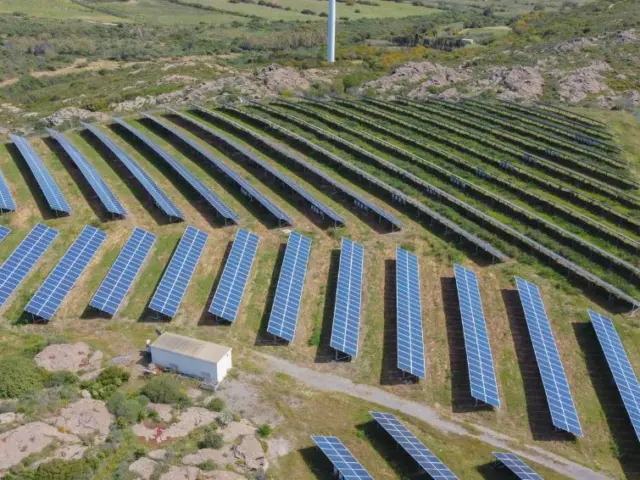
The growth of the electric vehicle market appears as an opportunity for renewable sources, especially solar photovoltaic and wind, since the use of plug-in hybrid vehicles, or 100% electric, will cause greater consumption of electrical energy.
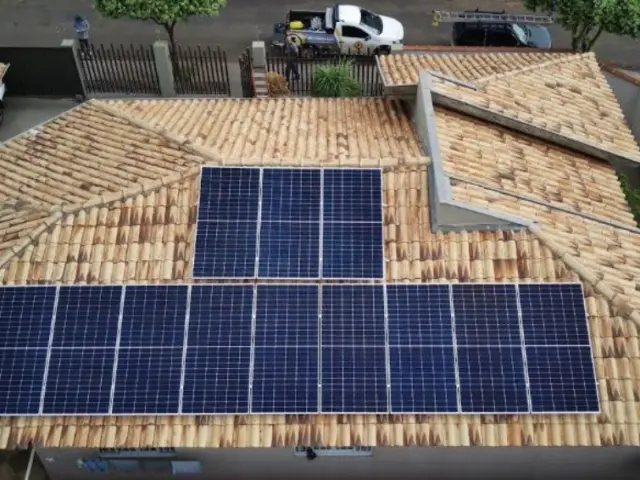
This fact opens the door to solar distributed generation systems or the purchase of energy from renewable sources on the free market for large consumers who can charge at night (urban logistics, transport or public concession fleet owners).
The automotive and electrical energy sectors have been undergoing profound transformations. On the one hand, the electrical grid will be increasingly digital, decentralized and decarbonized (3Ds) and, on the other, electric vehicles occupy the center of a new sustainable mobility, increasingly shared, digital and electrified.
Younger generations no longer dream of buying a state-of-the-art car. They want to consume mobility services in a practical and, if possible, sustainable way (this is the MaaS concept – Mobility as a Service). Therefore, the role of electric vehicles in sustainable mobility and in the construction of smart cities will be increasingly greater.
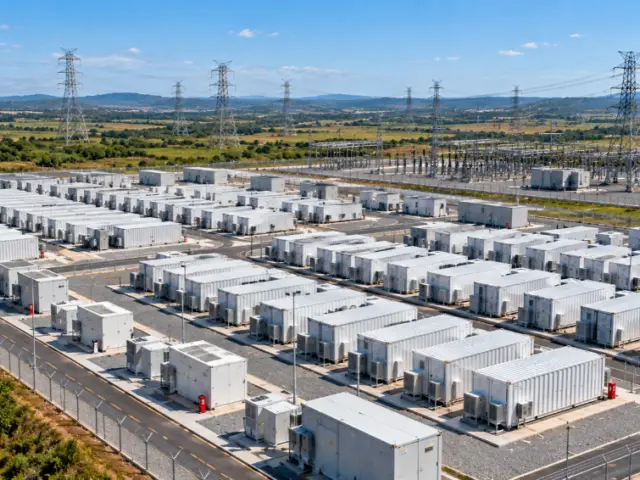
Every electric car will be a mobile energy storage system connected to the grid, which can be used to supply your home or business when there is a power outage, or even arbitrate the price of energy (electric vehicle supplying the consumer during peak hours and then recharging night when energy prices are lower).
Both the concepts of MaaS and Energy as a Service (EaaS) have been complementing each other and empowering customers to learn more about energy consumption, peak generation times and the consumption of each piece of equipment in our homes.
We still do not know which system will consolidate itself as the controller of all these technologies, with the use of 5G, machine learning intelligence and blockchain pricing and remuneration systems.
But we know that everything will be integrated and connected. And the inverters for solar panels and electric vehicles will complement each other, monitoring and empowering consumers about their own energy generation and consumption.
Electrified public transport
China leads the world in electric buses. More than 500 electric buses are already operating in the country, electrifying 100% of the fleets in China's large cities.
Shenzhen, for example, renewed 100% of its bus and taxi fleets with electric vehicles between 2012 and 2017 – more than 16 buses and 35 taxis – which significantly improved air quality and helped to consolidate a company in the city, BYD, as the largest electric bus manufacturer in the world.
In Latin America we already have emblematic cases of fleet renewal for electric vehicles, such as the case of Chile and Bogotá, capital of Colombia.
Bogotá, at the end of 2020, signed three contracts with BYD, totaling 1.002 electric buses, the largest single sale outside China, totaling more than 1.550 BYD electric buses for Colombia alone in 2020, which demonstrates that the TCO (total cost of ownership, total cost of operation) is increasingly favorable for this type of transport.
In Brazil, the first fleets of electric buses are already operating in 10 cities across the country, with Campinas, São Paulo and Brasília leading the way. The electric mobility revolution has arrived and will open up ever more opportunities for renewable energy in Brazil and around the world.


Comments
Comments are moderated before publication.Comments should be respectful and contribute to a healthy debate. Offensive comments may be removed. The opinions expressed here are those of the authors and do not necessarily reflect the views of the author. Canal Solar.