
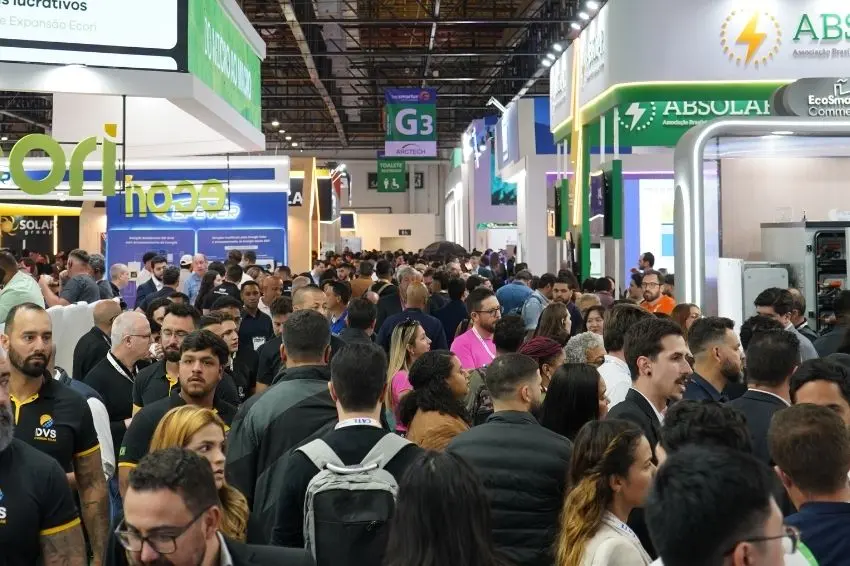
The smarter E South America concluded another edition in Brazil, bringing together around 50 visitors and more than 500 exhibitors over the three days of the event, held between Tuesday (25) and Thursday (27), at Expo Center Norte, in São Paulo (SP).
Considered the main meeting point for the energy sector in Latin America, the event features four simultaneous trade shows: Intersolar South America, ees South America, Power2Drive South America, and Eletrotec+EM-Power South America, covering solar energy, storage, energy management, and electromobility.
In addition, congresses, short courses, and workshops held concurrently brought together approximately three thousand participants. But those who walked the aisles at this edition probably noticed a change that was hard to ignore: energy storage took over the fair.
Batteries, hybrid inverters and BESS systems (Battery Energy Storage SystemsThey were spread across the stands of manufacturers and distributors, catering to applications ranging from residential to C&I (Commercial and Industrial) projects and utility scales.
The event reinforced a perception that had already been gaining traction in the sector: the solar market hasn't shrunk, it has changed and is expanding its reach. The event's own figures help to illustrate this transformation.
The exhibition area at ees South America, a trade show dedicated to energy storage, grew by 30% this year. Power2Drive South America, dedicated to charging infrastructure and electromobility, doubled in size.
According to Markus Vlasits, president of ABSAE (Brazilian Association of Energy Storage Solutions) and of the ees South America congress committee, the Brazilian market has already moved beyond the phase in which batteries were treated primarily as a future possibility.
"In Brazil, storage has moved beyond the experimental phase, the phase of debating ideas, and entered its first growth cycle," he said.
This change was also reflected in the variety of applications. Backup solutions, peak shaving, load shifting, hybrid systems, and equipment focused on consumption management gained prominence in the booths, with the C&I segment emerging as one of the main focuses for manufacturers.
At the same time, modules, inverters, and other photovoltaic equipment shared space with a new layer of technologies.
The conference programs themselves reflected this transformation. According to the organizers, there was an increase in technical papers related to photovoltaic installations, electric vehicles, storage systems, and batteries. This trend also gained prominence on the institutional agenda.
During the fair, the ABSOLAR (Brazilian Photovoltaic Solar Energy Association) presented proposals that include contracting at least 8 GW of storage systems, in addition to expanding large solar power plants by 18 GW and increasing access to clean energy for three million consumer units by 2030.
For the sixth year in a row, the Canal Solar The company had its own booth and toured the more than 50 square meters of exhibition space to follow the new product launches, talk to manufacturers and distributors, and understand which technologies are helping to shape this new phase of the market.
Below are some of the highlights covered during the fair:
ARaymond
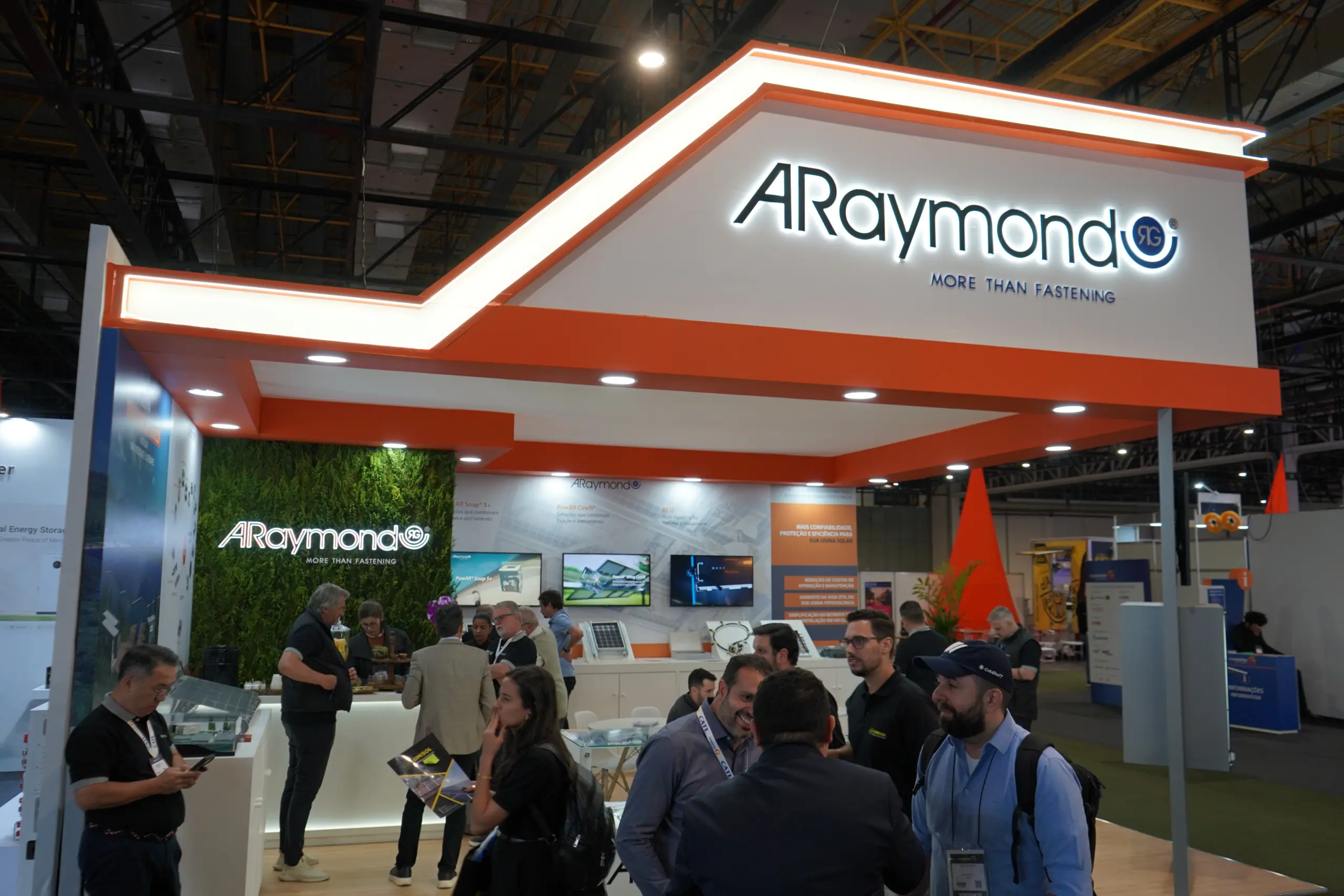
Traditionally associated with mounting solutions for photovoltaic modules, ARaymond expanded its focus at this edition to include technologies also designed for energy storage.
Among them are connectors for cooling batteries in BESS systems, components that, according to the company, are already present in about 70% of the storage systems exhibited at the fair. Another launch was a solution for floating photovoltaic systems, previously presented in Europe and now arriving in Brazil.
The solution features manufacturing in marine-grade aluminum, allowing for inclinations of up to 15 degrees and supporting waves up to 1 meter high. According to the manufacturer, production can be carried out on the installation site itself, reducing the impact associated with transportation.
AVT
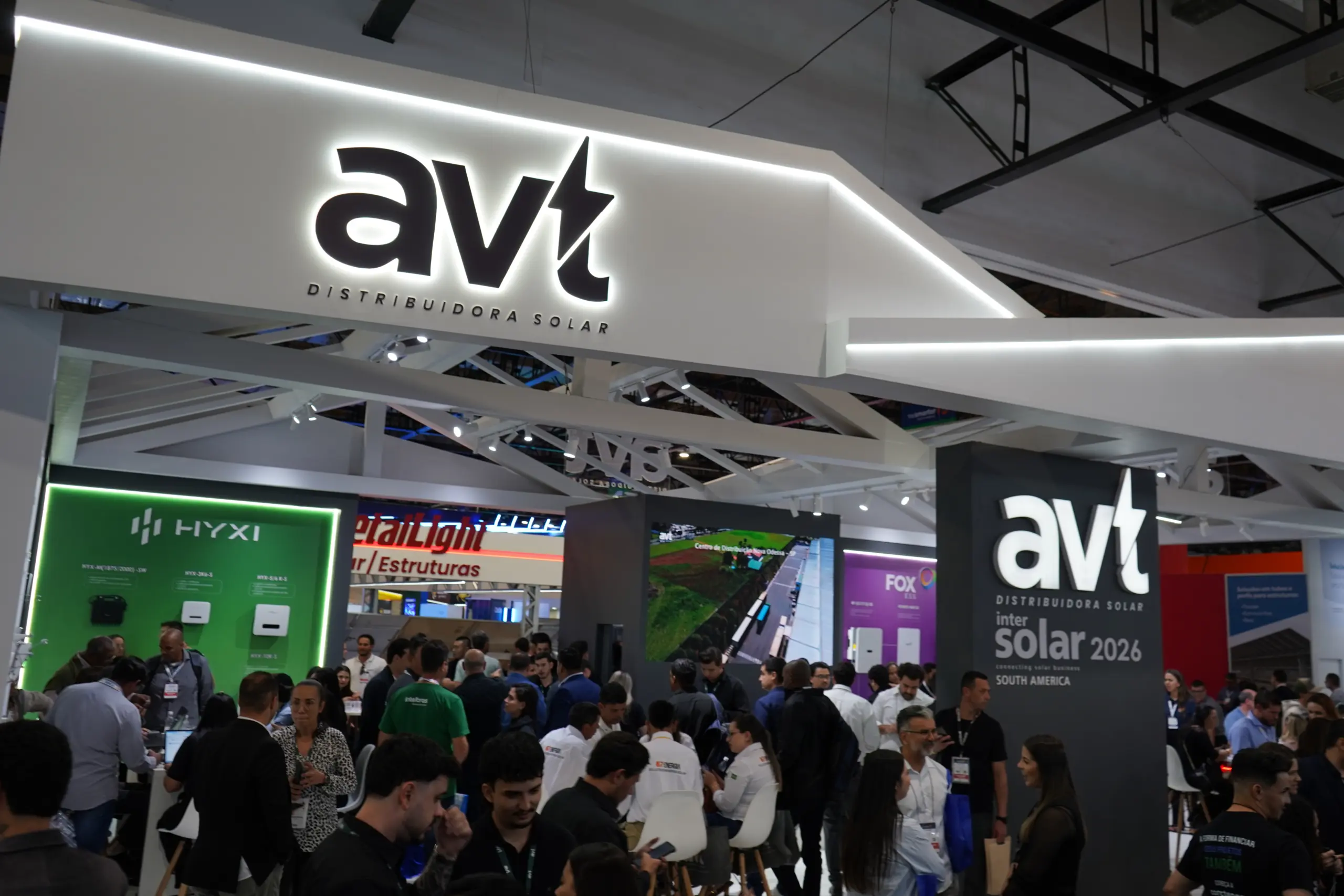
AVT has focused its participation on energy storage solutions, with new options for hybrid inverters, batteries, and BESS systems for residential and C&I applications.
Among the highlights were the new hybrid inverter from Hoymiles, with zero-millisecond switching and native integration with Rapid Shutdown devices, and BESS systems from 125 kWh to 241 kWh, from manufacturers such as Fox, Sungrow and Solis.
The distributor also acquired new microinverters from Hoymiles, including the 1875 and 250 models, in addition to its own line of structures for photovoltaic systems.
BelEnergy
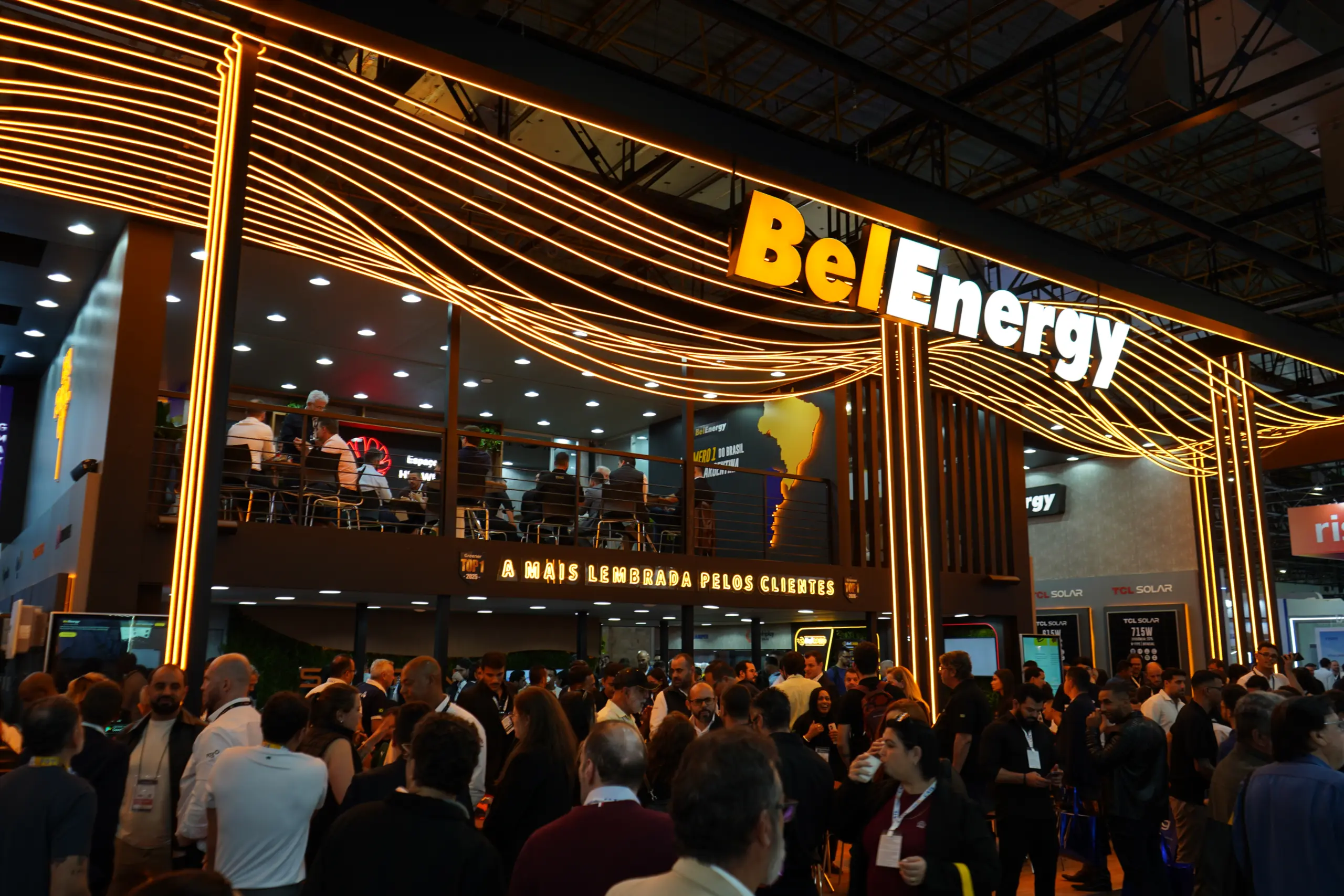
BelEnergy focused on building close relationships with clients and integrators during its sixth consecutive participation in the event. To achieve this, it set up a 341 m² booth, spread over two floors and featuring more than a thousand meters of LED lighting in its structure.
In the product area, the distributor gave greater prominence to energy storage solutions, batteries, and hybrid systems, in addition to showcasing photovoltaic modules and other technologies from partner manufacturers.
The strategy reflected a shift perceived by the company itself in the market, with storage gaining greater prominence among the demands of integrators.
BLUETS
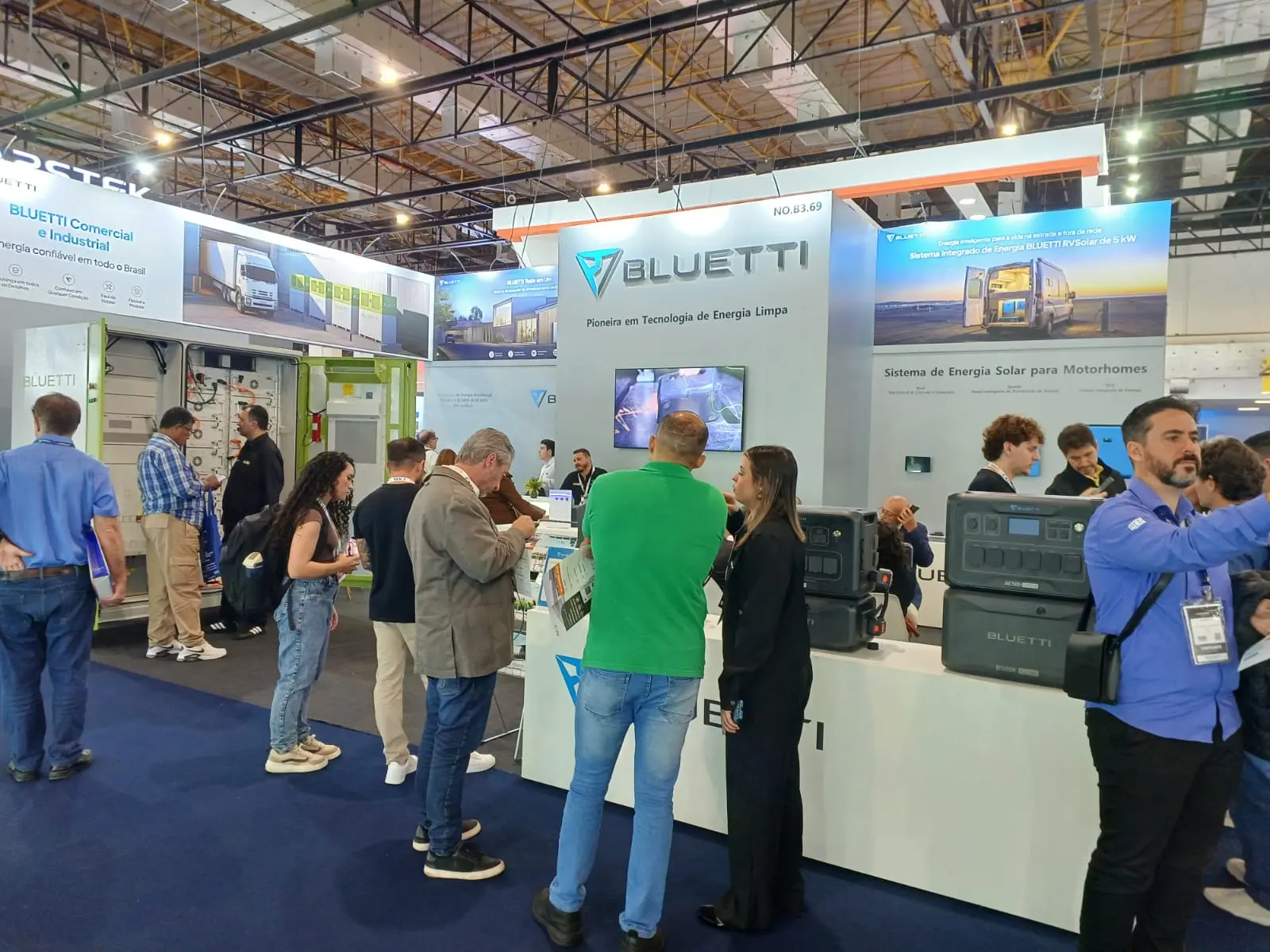
BLUETTI showcased new solutions to expand its presence in the Brazilian energy storage market. Among the highlights was a 125 kW, 241 kWh BESS system, developed by the manufacturer's research and development team in Shenzhen, China.
In addition to equipment, the company highlighted the need for training to keep pace with the expansion of these technologies. According to Maurício Godoy, the company's technical sales manager in Brazil, the national market still has a technical lag compared to the United States and Europe, especially in sizing, configuration, and skilled labor.
Cornex
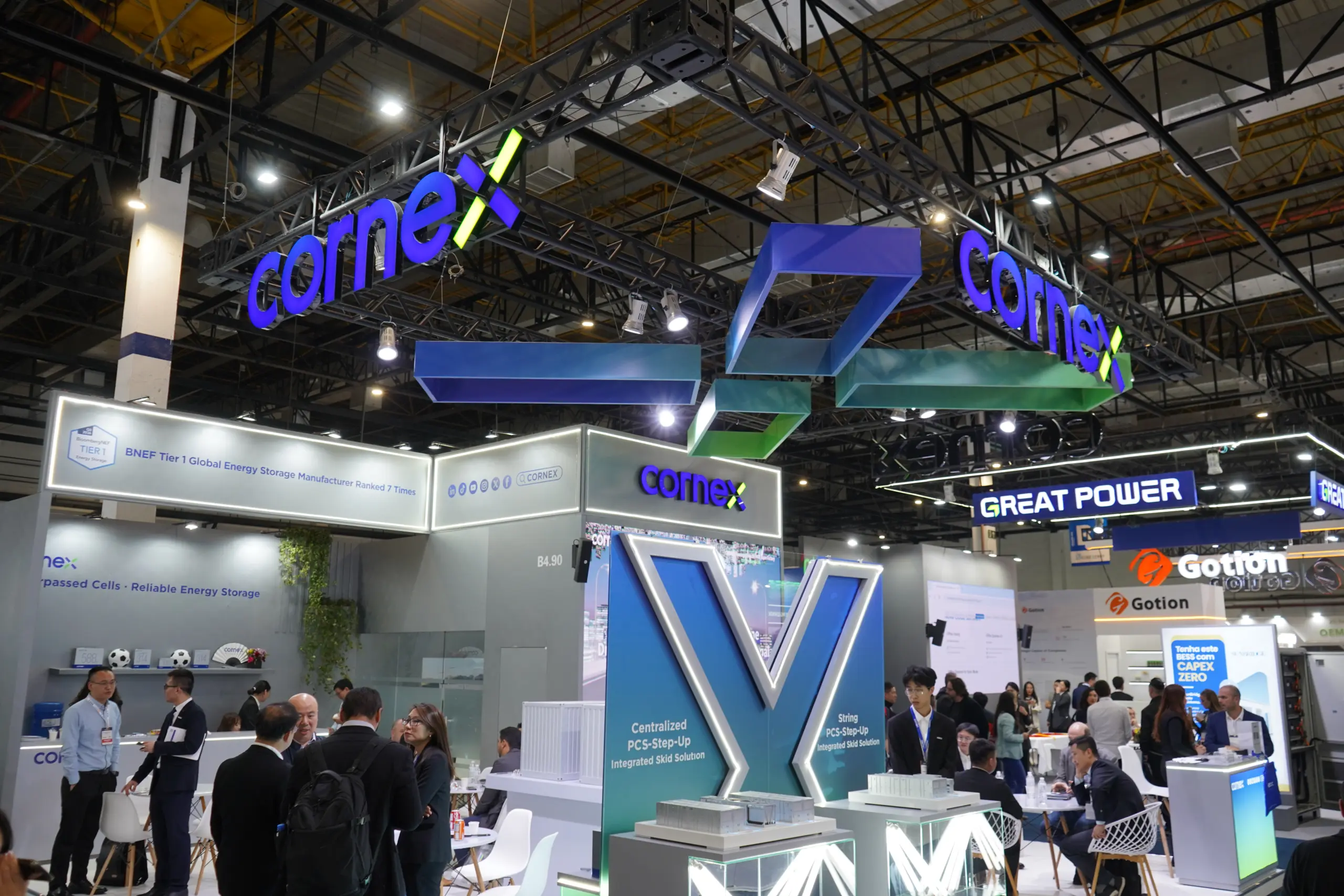
In its presentation, Cornex highlighted storage as one of the main areas presented to the public, with components specifically designed for science and technology applications.
The company also signaled its intention to expand its offerings in the coming years, keeping pace with the development of the Brazilian market for batteries and storage systems. The strategy also involves closer relationships with partners and manufacturers operating in this segment in the country.
EcoFlow
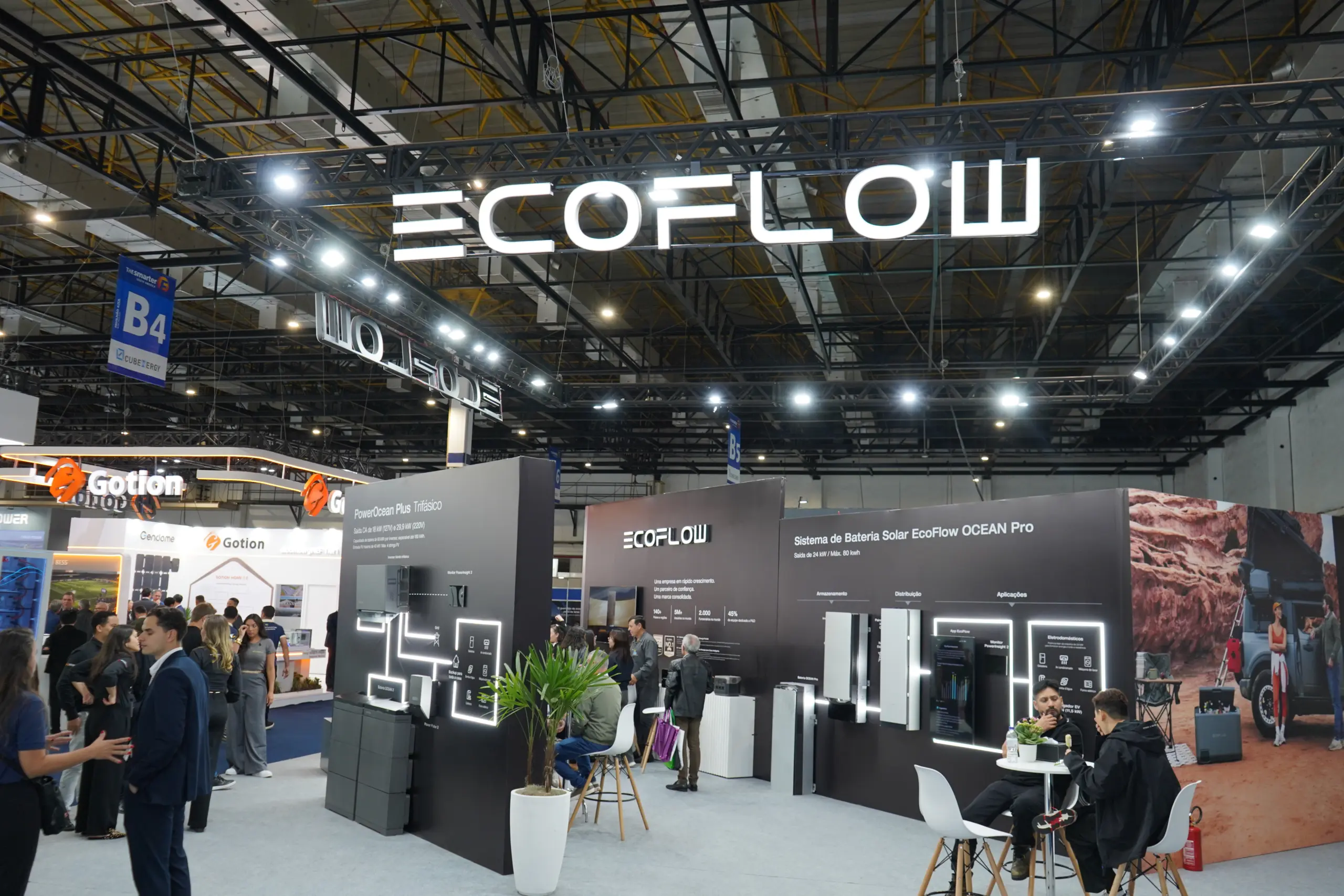
EcoFlow presented new hybrid inverters and batteries at The smarter E South America, reinforcing its expansion in the home solutions segment. Among the highlights was the PowerOcean Plus, a three-phase hybrid inverter available in two configurations: 29,9 kW for 380V networks and 18 kW for 220V networks.
The solution also features a 63A backup port and integrated automatic transfer, eliminating the need for an external ATS. The company also presented the OCEAN2 lithium battery, developed to integrate into the manufacturer's residential storage ecosystem.
The equipment has a projected lifespan of 10 cycles, an IP66 protection rating, and a 12-year warranty. This level of protection also allows for installation in outdoor environments. “We are expanding our operations into the residential solutions segment, focusing on hybrid inverters and energy storage,” stated Reinaldo Tomaz, Business Development Manager for Latin America at EcoFlow.
Growatt
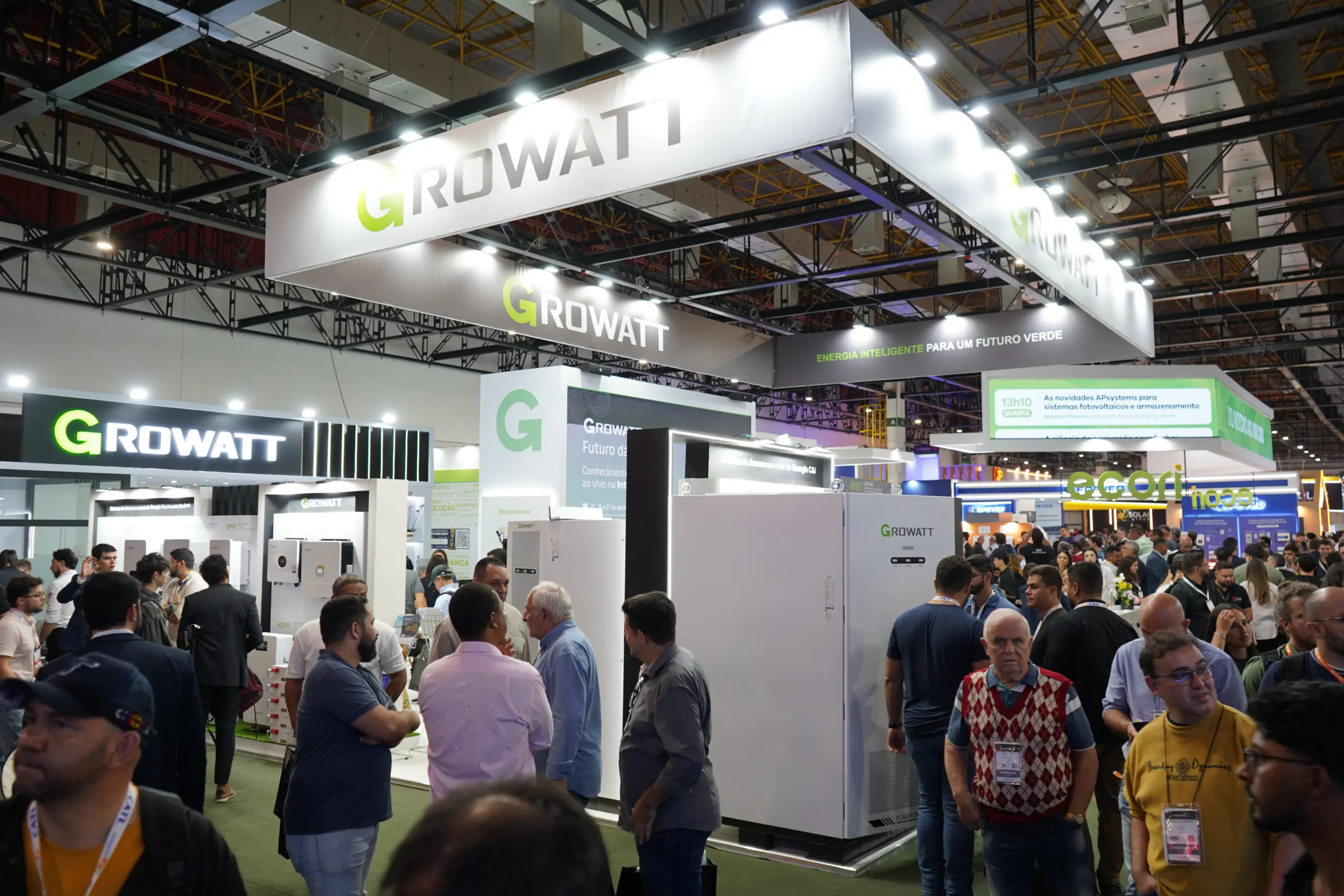
Storage also featured prominently in Growatt's new offerings. The manufacturer showcased a line of residential solutions with all-in-one, single-phase and split-phase equipment, with power ratings from 3 kW to 12 kW, as well as three-phase models from 10 kW to 15 kW.
For the C&I segment, one of the highlights was RISE, an all-in-one system that integrates inverter and batteries. The company also presented three-phase inverters of 30 kW, 40 kW and 50 kW with separate battery modules. Traditional technologies were also present.
Growatt showcased its X2 on-grid family of products, featuring zero-grid capabilities and export control, along with microinverters, bringing together virtually its entire photovoltaic portfolio at the event.
In addition to showcasing the technologies, the manufacturer held five lectures per day at its booth, each lasting approximately 1 hour and 30 minutes, aimed at presenting and discussing the solutions with the professionals who visited the fair.
Hoymiles
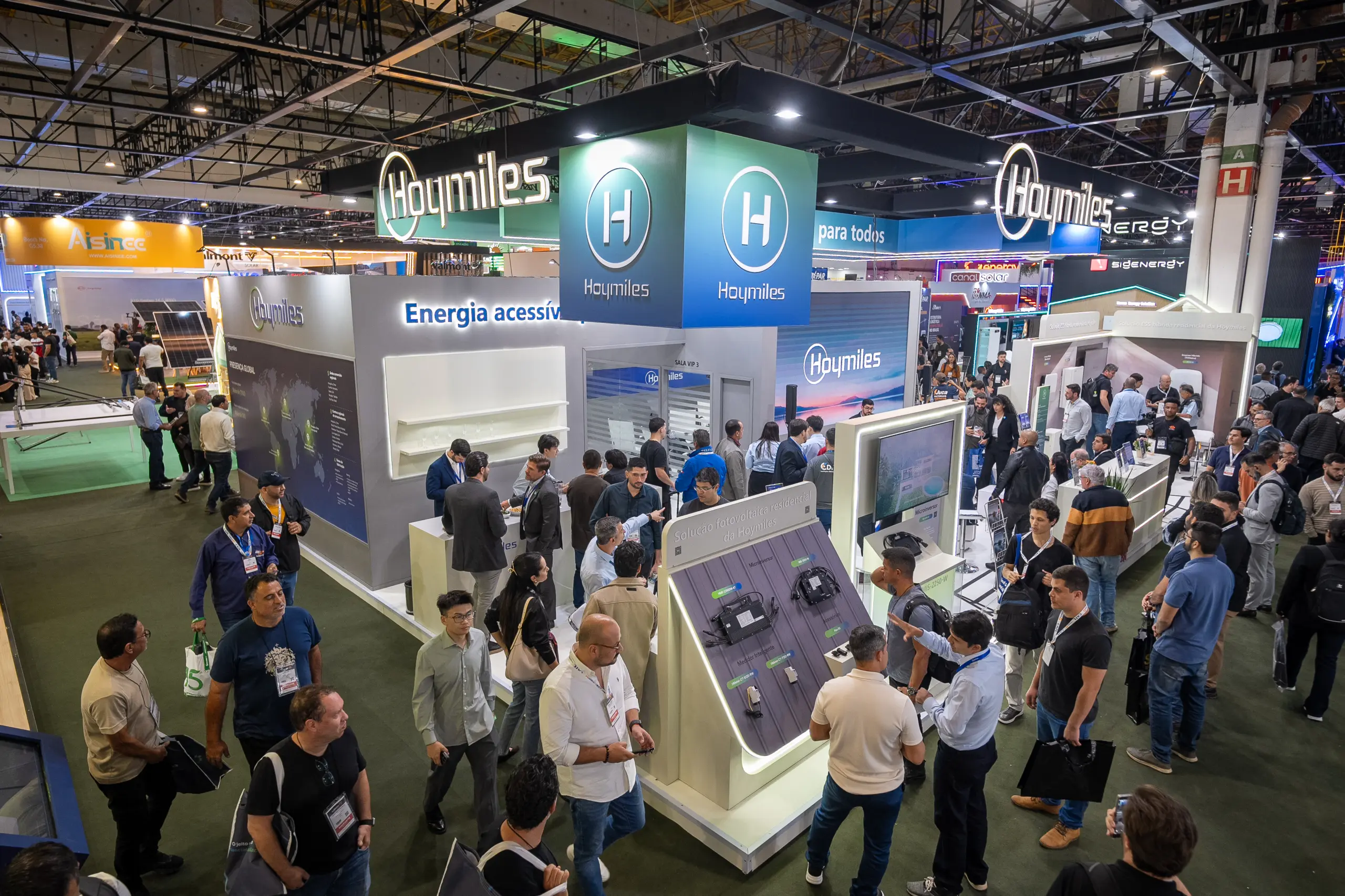
At its booth, Hoymiles showcased solutions for various application scenarios, from microinverters and residential hybrid systems to C&I and Utility storage.
For the C&I segment, one of the highlights was the HoyUltra 261A, a BESS all-in-one system with 125 kW of power consumption and 261 kWh of storage, suitable for applications such as peak shaving, load shifting, and backup.
In the residential segment, the manufacturer presented the HIS-6L-G3 and HIT-20L-G3 hybrid inverters, as well as the new generation of G3 batteries. Among the microinverters, the highlight was the MiS Series, with models up to 2.500 VA, Wi-Fi Mesh communication, and support for zero export power control solutions.
For large-scale applications, the company also presented the HoyPrime AC, a storage solution that integrates the HPCS460 string power conversion system with liquid cooling, battery systems, and intelligent controls, expanding Hoymiles' portfolio for utility projects.
Huawei
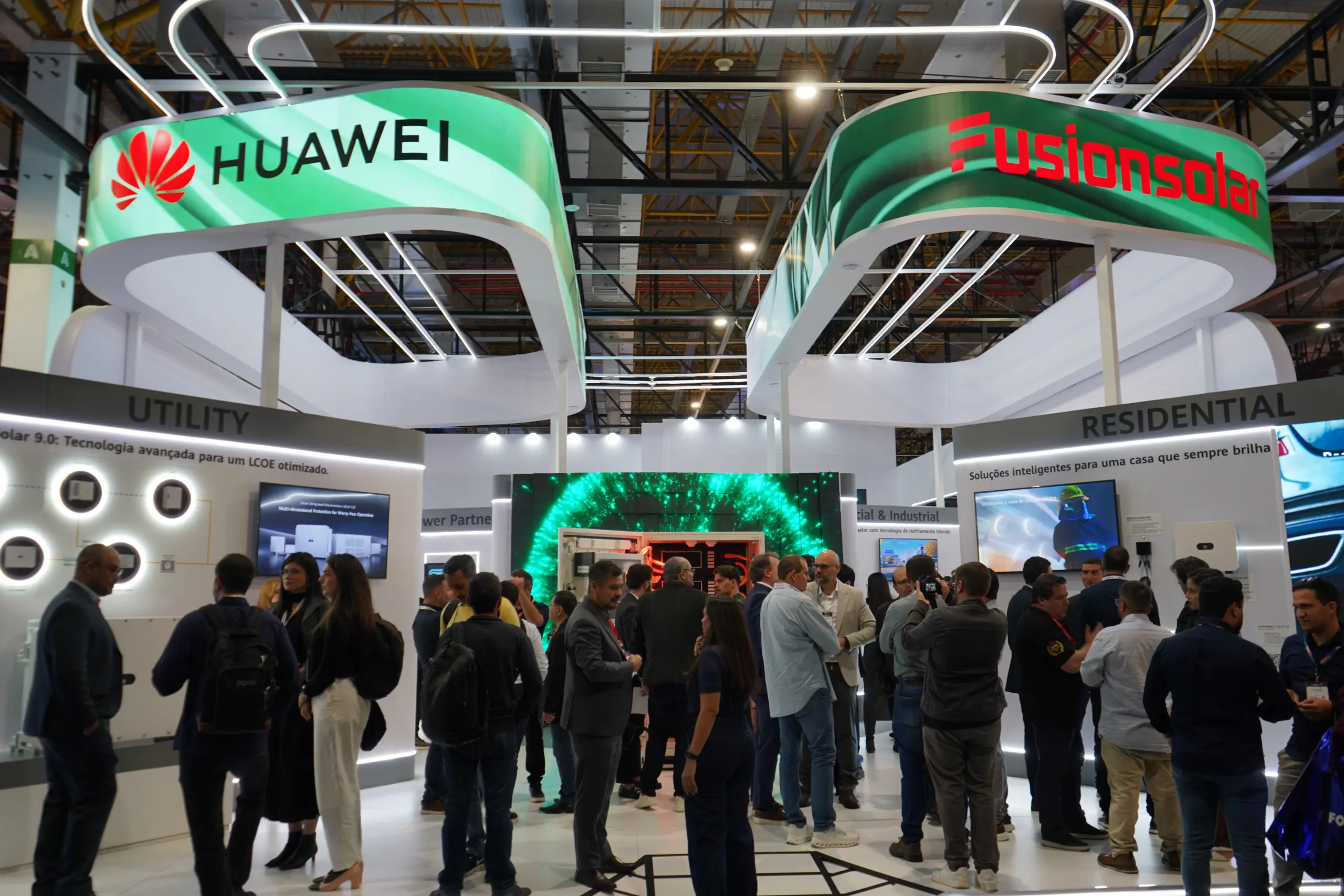
Storage and equipment for large photovoltaic plants were among the main highlights of Huawei Digital Power. The manufacturer presented a BESS with hybrid cooling, capable of switching between liquid cooling (liquid cooling) and air according to operating conditions. The solution also meets UL 9540A.
In the utility scale segment, the highlight was the SUN2000 Smart String 506 kW transformer with a 1.000 Vac output. This technology allows for connecting higher power to transformers and reducing cable losses, contributing to the optimization of the LCOE (Lower Cost of Energy) of power plants.
The company also presented the LUTERRA V3 during the event, the next generation of its energy storage platform. The solution incorporates grid-forming technology, which allows the system to contribute to the formation and stability of the electrical grid.
Moura
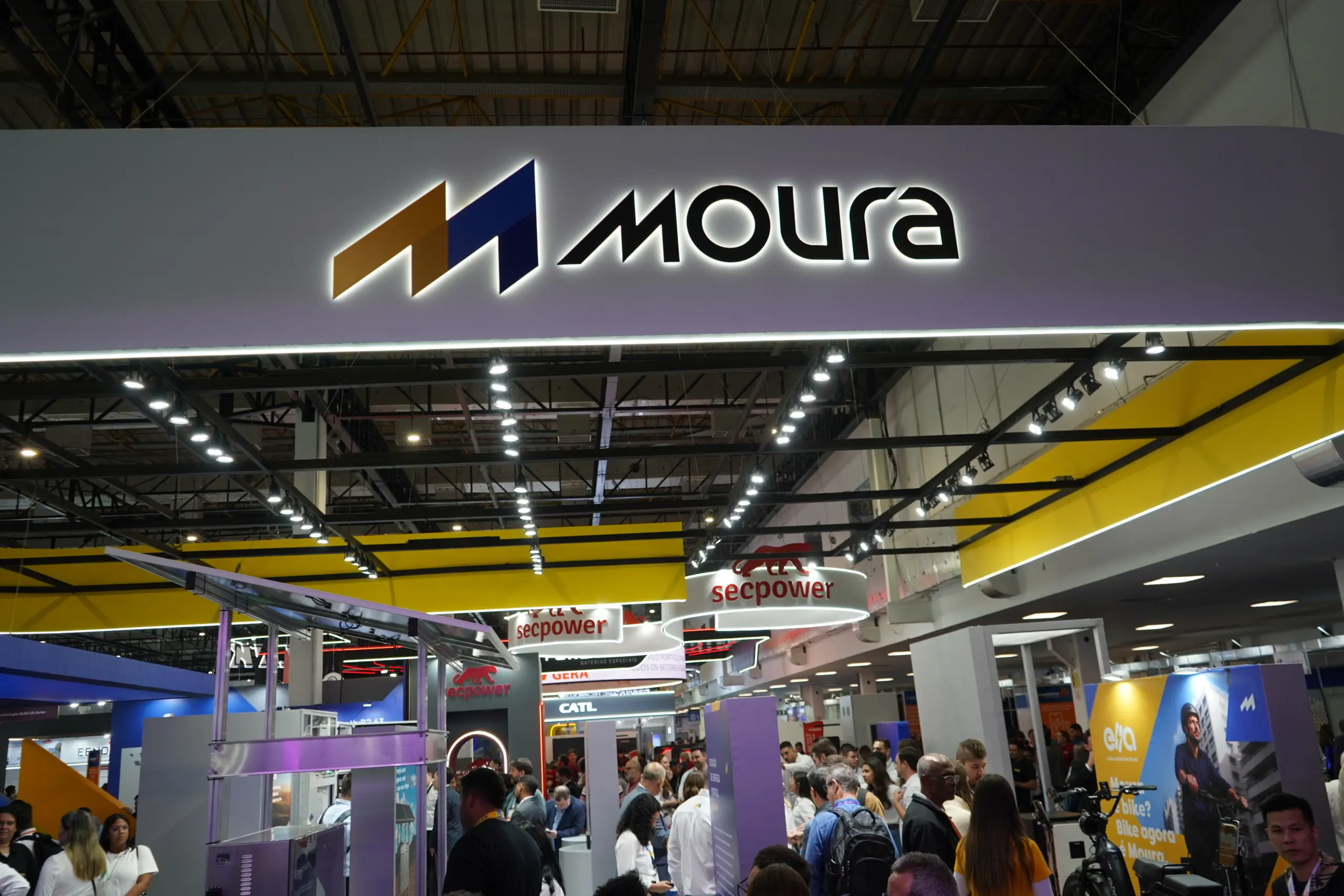
Moura demonstrated how it intends to bring storage solutions to different scales of application, ranging from residences and condominiums to larger commercial, industrial, and other projects. MouraBESS gained prominence, particularly in the C&I (Construction and Innovation) segment. According to...
Thiago Melo, the company's commercial director, stated that the sales volume for this product line this year is already higher than that recorded last year. The company is also pursuing opportunities in the utility-scale segment and has brought solutions for isolated systems and other applications that demand greater energy availability.
Reonic
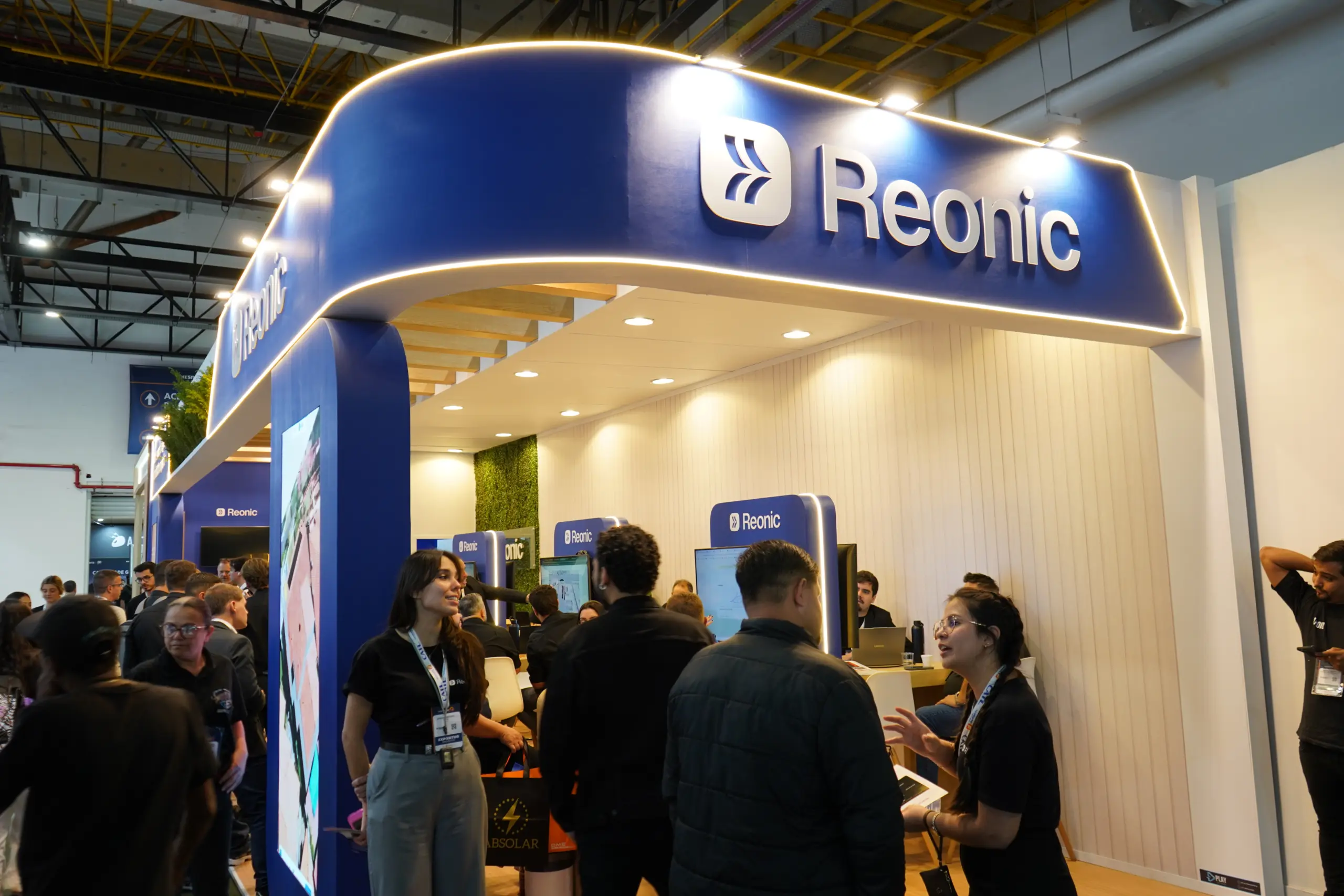
Reonic presented at the fair a platform that brings together different stages of the integrator's routine, such as CRM, proposals, projects, engineering, and homologation. "There are several different tools. What we want is to give the integrator more time to sell and provide better service," stated Felipe Godoi of Reonic.
Among the highlights is the use of artificial intelligence geared towards the solar market. The technology can assist with technical questions and even generate proposals from audio messages sent via WhatsApp. "Our AI works for the solar market and for the solar integrator," he said.
The platform also automates stages of the approval process. According to Godoi, the AI prepares the documentation according to the distributor's requirements, while the Reonic team monitors the process. "Approval was really one of the bottlenecks for our clients," he emphasized.
The company is also targeting hybrid systems and energy storage. "We are used to on-grid, off-grid, and hybrid systems. The system is ready for that," said Godoi.
Risen Energy
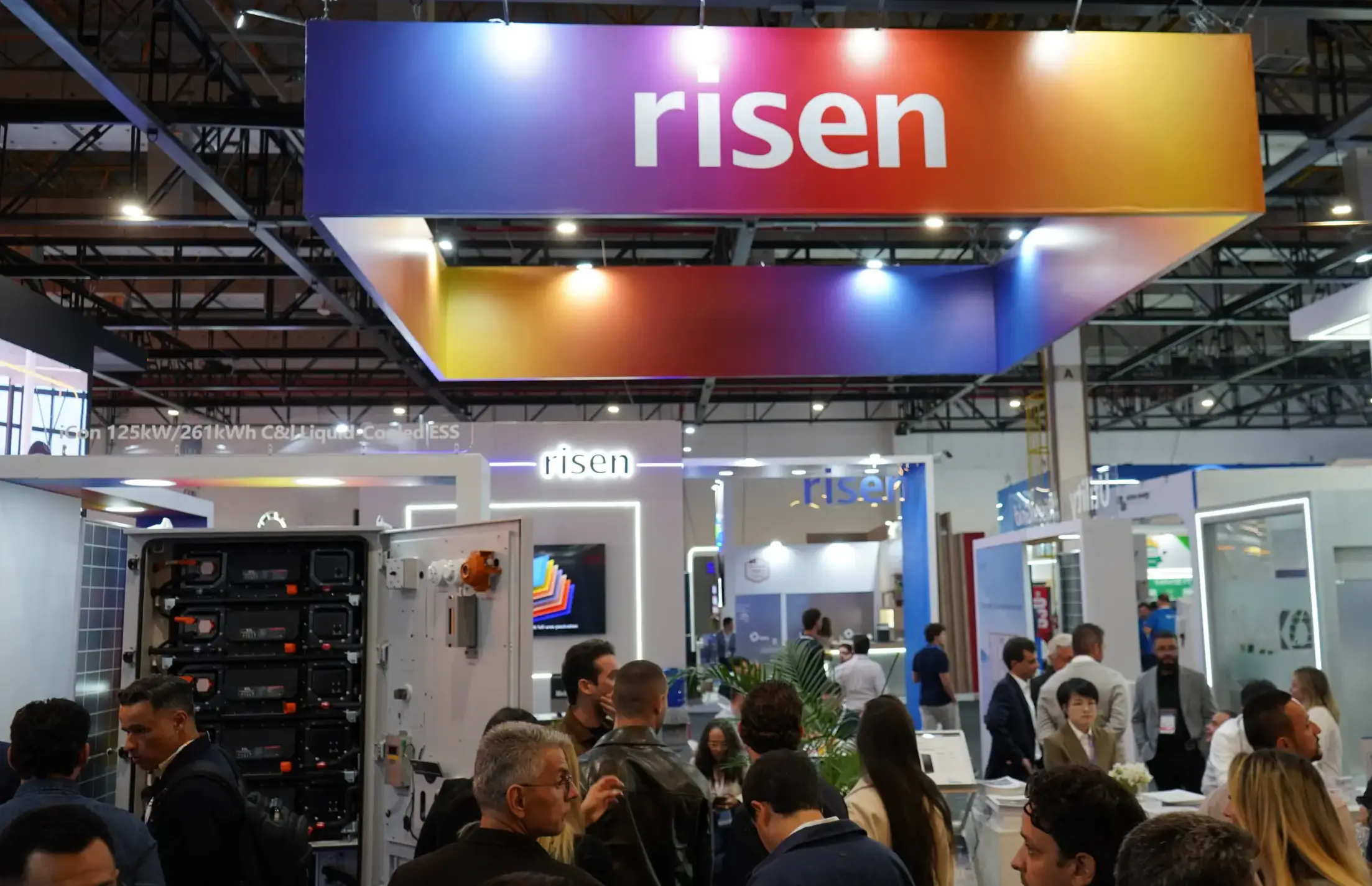
Risen Energy divided its highlights between photovoltaic modules and battery energy storage systems (BESS). In solar generation, the manufacturer showcased modules with HJT technology exceeding 720Wp, in addition to the TOPCon line, with models exceeding 635Wp.
In storage, the portfolio included modular cabinets of 20-60kW/48-120kWh and all-in-one solutions of 100kW/215kWh and 125kW/261kWh. For projects of utility scalesThe manufacturer presented containers of 2,5MW/5,0MWh and 3,1MW/6,3MWh, and an intermediate solution in a 418kW/836kWh cabinet.
Thalesun
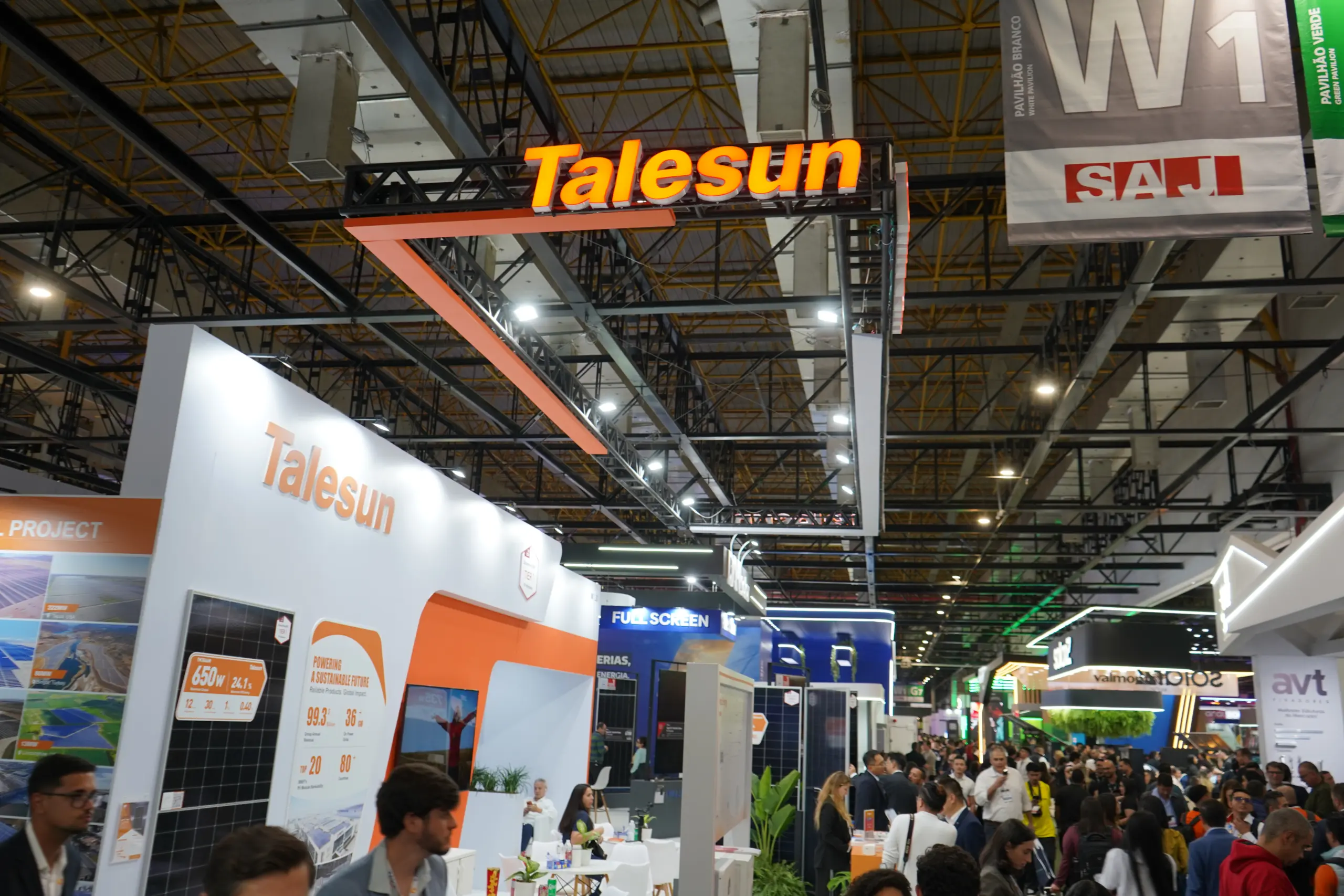
Talesun presented 650W and 660W modules with Back Contact technology at Intersolar and reinforced its expansion plans in Brazil. "Talesun continues to believe in Brazil as one of the main photovoltaic markets in the world," stated Glauco Chang, the company's sales manager in the country.
The manufacturer maintains a long-term partnership with LONGi for the supply of cells used in the Back Contact line. According to Chang, the agreement aims to provide predictability in supply and sustain the availability of the new modules in the Brazilian market.
The strategy also involves expanding the distribution network, with agreements already signed with Sou Energy and PHB Solar and negotiations underway with Solfácil and RB Solar. "We will possibly have local inventory to facilitate purchases by small and micro distributors and resellers," Chang anticipated.
In addition to modules, Talesun intends to expand its portfolio in Brazil with BESS systems, inverters, and cables for industrial applications. The company also plans to reopen a local office in 2027 and is evaluating the creation of new warehouses in the country.
all the content of Canal Solar is protected by copyright law, and partial or total reproduction of this site in any medium is expressly prohibited. If you are interested in collaborating or reusing part of our material, please contact us by email: redacao@canalsolar.com.br.

Comments
Comments are moderated before publication.Comments should be respectful and contribute to a healthy debate. Offensive comments may be removed. The opinions expressed here are those of the authors and do not necessarily reflect the views of the author. Canal Solar.