
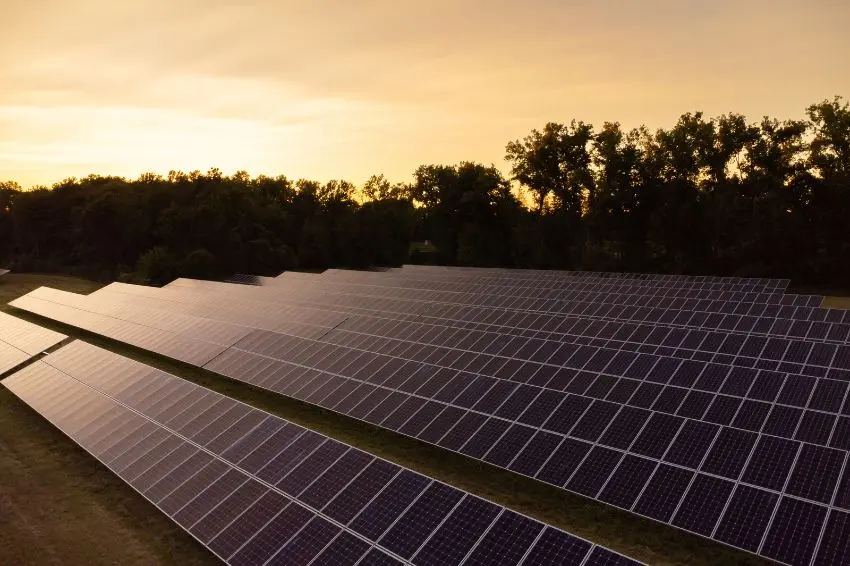
Topen obtained an emergency injunction from the courts to protect itself from creditors while it prepares a filing for... judicial recoveryThis measure allows the company a period to negotiate its debts before the formalization of the process.
According to information from Brazil JournalThe company informed the court that it is facing an acute liquidity shortage, attributed both to market conditions and to strategic decisions adopted by previous administrations.
Controlled by Pontal Energy, which manages the Denham Capital fund, Topen is one of the largest distributed generation (DG) groups in the country. Currently, the company has just over 700 MWp of installed capacity and serves clients such as RD Saúde, Smart Fit, and Correios (Brazilian postal service).
In documents submitted to the court, the company states that its financial situation is reversible, provided it can conduct an orderly and efficient renegotiation of its debts with its main creditors.
The preliminary injunction granted by the court will be valid for 60 days and will lose effect if the request for judicial reorganization is not filed within a period of up to 30 days.
Liquidity crisis
In court documents, Topen attributed the liquidity crisis to a combination of factors, including decisions made by previous administrations and changes in distributed generation (DG) market conditions.
Over the past 12 months, the company has expanded its portfolio through the acquisition of assets from various companies in the sector, including distributed generation solar plants and biogas investments from Matrix Energy, Copel, Raízen, and Vip Air.
According to the Brazil Journal, some of the acquired projects have not yet become operational or have not generated sufficient revenue to sustain the company's financial structure.
The company also points to the increased cost of debt due to the rise in the Selic rate and delays in connecting power plants by energy distributors as factors that have worsened the situation.
all the content of Canal Solar is protected by copyright law, and partial or total reproduction of this site in any medium is expressly prohibited. If you are interested in collaborating or reusing part of our material, please contact us by email: redacao@canalsolar.com.br.


Comments (3)
Comments are moderated before publication.Comments should be respectful and contribute to a healthy debate. Offensive comments may be removed. The opinions expressed here are those of the authors and do not necessarily reflect the views of the author. Canal Solar.
Topen: aggressive growth driven by debt
Here, the problem isn't the demand for distributed generation (DG), it's the capital structure. Topen is controlled by Pontal Energy, the management company of the Denham Capital fund, and is one of the largest DG groups in the country, with just over 700 MWp installed, serving clients such as RD Saúde, Smart Fit, and Correios (Brazilian postal service). In the last 12 months, the company has expanded its portfolio through the acquisition of assets from various companies, including solar DG plants and investments in biogas from Matrix Energy, Copel, Raízen, and Vip Air.
The problem: some of the acquired projects have not yet become operational or have not generated sufficient revenue to sustain the company's financial structure. In other words, it bought too many assets, too quickly, financed with debt, and the revenue from these assets did not arrive in time to pay the debt service. Add to that the increased cost of debt due to the rise in the Selic rate and delays in connecting power plants by distributors, and you have the classic scenario of a liquidity crisis due to a mismatch between CAPEX and cash generation.
In June 2025, Topen purchased 52 solar power plants in the Northeast of Brazil, totaling approximately 200 MWp, for R$ 750 million. In July, it acquired 44 plants from Raízen, including solar and biogas plants, with a capacity of 119,3 MWp. This was followed by the purchase of 45 plants from Matrix Energia, adding 120 MWp and bringing the installed capacity to nearly 700 MWp, with plants in 22 states. The acquisition of Copel completed the cycle: the transaction involved four photovoltaic plants with 22 MWp of operational capacity in Paraná, raising the total capacity to 714 MWp.
epowerbay + 2
The pattern that explains the crisis
The purchase of Vip Air was born with 70% financed by debt and only 30% by equity, and a good portion of these assets, especially those in the Northeast, were still under development at the time of the acquisition, not generating immediate revenue. This is consistent with what the company itself admitted in court: some of the acquired assets did not become operational in time or did not generate sufficient cash to sustain the servicing of the debt incurred to purchase them.
Aranda Publishing and Aranda Events
Customers and service profile
In addition to generating assets, Topen serves large accounts such as RD Saúde, Smart Fit, and Correios, and its business model is essentially shared distributed generation management for medium/large-sized businesses (pharmacies, gyms, supermarkets, retail chains), with some of these clients also migrating to the free market.
In summary: in just over a year, the company jumped from approximately 163 MWp to more than 700 MWp through five large acquisitions, almost all leveraged, betting that the revenue from the assets would buy back the financing. When the Selic rate rose and distributors delayed connections, this cash flow mismatch exploded.
We have a distributed generation (DG) energy supply contract, we signed the contract with RZK and we have never had any problems receiving payment, nor any delays.
After Topen took over RZK, we never received our payments on time again; every month we had to notify them to get paid.
Unfortunately, they are crooks.
The distributed generation (DG) market must rationalize its strategies to address the lack of solid and lasting regulation for the sector. The implementation of the government's political planning, to the detriment of technical considerations, causes insecurity and financial instability for companies and those generating their own energy.