
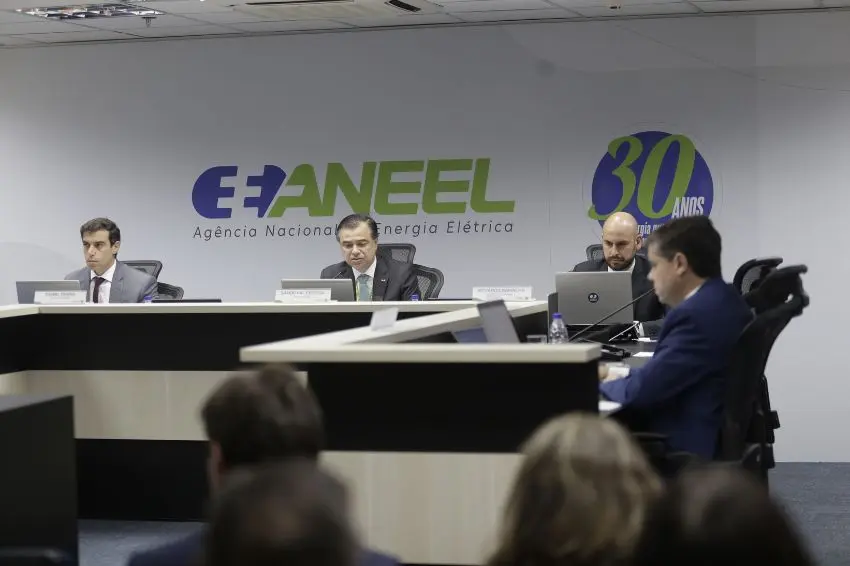
The adoption of time-of-use pricing for low-voltage consumers is the central theme of the presentation that... ANEEL (National Electric Energy Agency) will do this Monday (9). The conclusions of Public Consultation 46/2025 will be released.
The proposal, also known as the New White Tariff, provides for the automatic application of this modality to certain consumer units, according to the monthly volume of energy used.
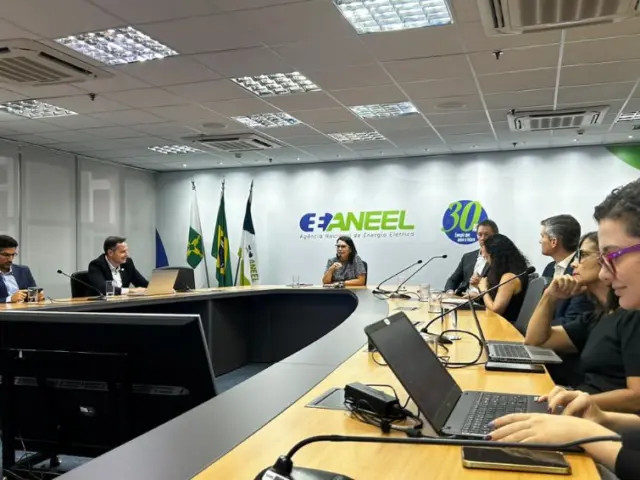
The meeting, exclusively for the press, is scheduled for 15 pm at the agency's headquarters, with the participation of director Ludimila Lima, rapporteur of the process, the superintendent of Tariff Management and Economic Regulation, Leandro Caixeta, and technicians from the area.
The presentation should detail the main points of the technical note prepared based on the contributions received during the consultation. The topic will also be forwarded to the Collegiate Board of Directors. ANEEL, responsible for subsequent regulatory deliberation.
Automatic migration
Public Consultation 46/2025 was opened in December of last year, with the objective of discussing the mandatory adoption of time-of-use pricing for larger consumers connected to low voltage. The period for submitting contributions was between December 10, 2025 and March 9, 2026.
According to the proposal under discussion, the change would affect units in subgroups B1 (residential), B2 (rural), and B3 (commercial, industrial, and other activities), provided they have monthly consumption equal to or greater than 1 MWh, equivalent to 1.000 kWh.
Low-income consumers and beneficiaries of the social tariff should be excluded from the mandatory migration. This option is not new, as the White Tariff already exists as an option for low-voltage customers, but it has had limited adoption.
The current discussion seeks to broaden its application in light of changes in the generation and consumption profile of the electrical system. During the consultation, debates were held with distributors, consumer associations, representatives of distributed generation, and other entities in the sector.
Distributed generation at the center of the discussion
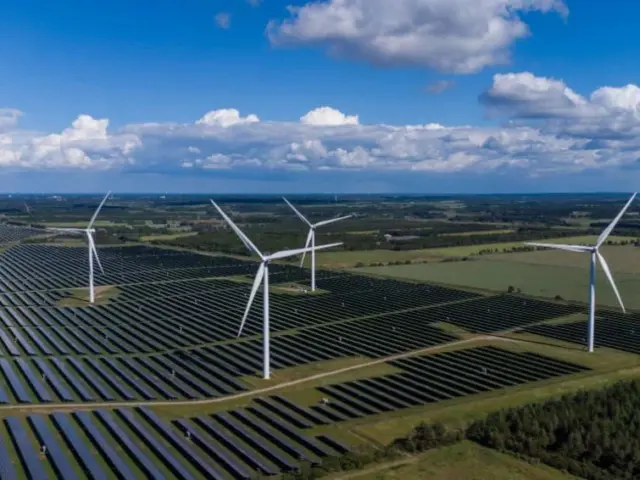
One of the main factors that motivated the revision of tariff signals is the growth of distributed solar generation, combined with the expansion of renewable sources in the electricity grid. The supply of solar and wind energy tends to be greater during the day, especially between 10 am and 14 pm.
Demand typically peaks in the early evening, between 18 PM and 21 PM, when photovoltaic generation loses its share and the system needs to resort to more expensive energy sources.
The hourly tariff aims to reflect this difference, establishing distinct prices according to the consumption period. The intention is to encourage customers to shift some of their equipment usage—such as air conditioning, pumps, and electric vehicle chargers—to off-peak hours.
The relationship with distributed generation, however, is one of the sensitive points of the proposal. Consumers who own their own solar systems may be affected by the change in the pricing structure, especially due to the difference between generation times and periods of higher demand.
This impact was among the topics discussed in the consultation, along with implementation costs, the need for adequate meters, and adaptation deadlines. Another aspect under discussion is the risk of increased bills for those who are unable to shift their consumption outside of peak hours.
The presentation should clarify how the technical area incorporated the contributions received and what parameters will be taken into account by the board's decision.
all the content of Canal Solar is protected by copyright law, and partial or total reproduction of this site in any medium is expressly prohibited. If you are interested in collaborating or reusing part of our material, please contact us by email: redacao@canalsolar.com.br.

Comments
Comments are moderated before publication.Comments should be respectful and contribute to a healthy debate. Offensive comments may be removed. The opinions expressed here are those of the authors and do not necessarily reflect the views of the author. Canal Solar.