

O Brazil will be the fifth largest solar energy market in the world at the beginning of next decade, with an elevation difference of accumulated installed capacity higher than that of countries such as Australia and Japan, according to projection of Wood Mackenzie.
In its most recent study, released last Thursday (12), the research and consultancy company points out that the Brazilian photovoltaic market will only be behind China, the United States, India and Germany by the end of 2032.
Currently, the Brazil is the eighth country with the largest installed solar energy capacity in the world, according to data from IRENA (International Renewable Energy Agency).
Last year, the country managed to be among the top ten for the first time in history, jumping six positions in the entity's ranking.
At the time the IRENA ranking was prepared, Brazil had 24 GW of total installed solar energy capacity. Today, this amount already exceeds 34 GW.

Growth in 2023
According to the Wood Mackenzie study, the world expected to add around 320 GW of solar energy in 2023, a number 20% higher than the initial forecast that had been drawn up by the consultancy at the beginning of the second quarter of this year.
The new analysis indicates that the photovoltaic installations will maintain a strong growth rate around the world thanks to incentive policies that have been adopted by a large number of countries and the increasingly attractive prices of technology.
In total, the company calculates that the global solar power capacity must register a average annual growth of 4% over the next ten years, reaching 360 GW in 2032.



Comments (2)
Comments are moderated before publication.Comments should be respectful and contribute to a healthy debate. Offensive comments may be removed. The opinions expressed here are those of the authors and do not necessarily reflect the views of the author. Canal Solar.
What I see with all of this is great devastation. Because in Brazil these actions are harmful and happen through corrupt means.
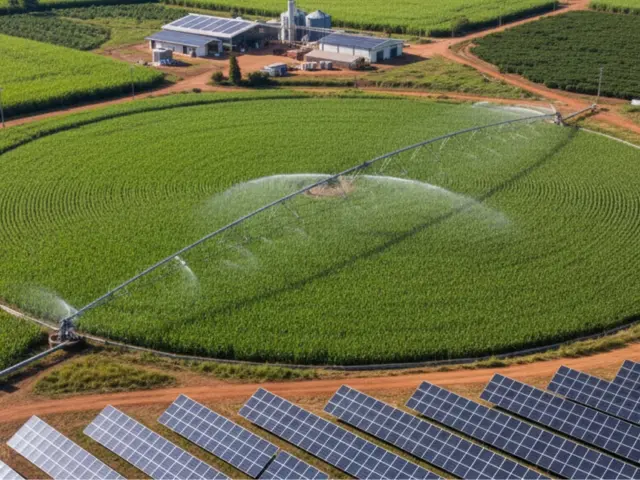
The production of electrical energy through photovoltaic energy is not something new, for commercial use, its use was through space optimization (in residences and for communication use in remote locations), what is complicated is the lack of criteria for the implementation of the panels, as shown in the image of the displayed article.
There are cattle ranchers migrating from livestock farming to energy production, because the financial return is immediate, cattle run away, have to be vaccinated against foot-and-mouth disease, eat feed and drink water but the solar panel does not, and to make the situation worse, we already have solar energy by subscription.