
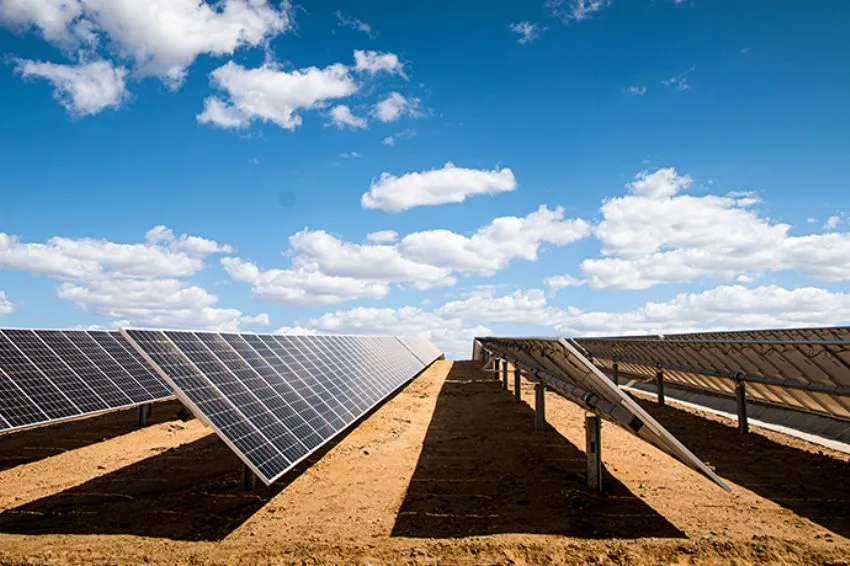
A brazilian electrical matrix continues to expand significantly in 2024, reaching the 6,5 GW of new installed capacity just this year. As a result, the accumulated total of The country's electrical capacity reached 204,5 GW, according to data updated until the beginning of August by ANEEL (National Electric Energy Agency).
According to the Agency, the month of July was particularly significant, with the addition of 875,42 MW to the electrical matrix. Of this total, the photovoltaic solar plants contributed to 494,82 MW, with the start of operations of 10 projects. Already the wind power, another renewable source on the rise, he added 380,60 MW through 17 new plants.
The new plants that began operating in 2024 are spread across 15 states in all regions of the country. Rio Grande do Norte, Bahia and Minas Gerais were the states with the greatest increase in capacity, adding 1.687,55 MW, 1.603,50 MW and 1.184,88 MW, respectively.
In July, Bahia led the expansion, with 20 new plants in operation, resulting in an increase of 594,60 MW in energy supply. Minas Gerais also stood out, with the addition of 161,61 MW from three new plants.
Renewable electrical matrix
Brazil has a total installed capacity of 204.477,1 MW as of the beginning of this month, according to the SIGA (Power Generation Information System) ANEEL). Of this total, the plants in operation are predominantly renewable, with emphasis on hydroelectric plants (50,08%) and wind (15,32%). solar energy already composed 7,23 % of installed capacity in operation and continues to expand.
all the content of Canal Solar is protected by copyright law, and partial or total reproduction of this site in any medium is expressly prohibited. If you are interested in collaborating or reusing part of our material, please contact us by email: redacao@canalsolar.com.br.



Comments (1)
Comments are moderated before publication.Comments should be respectful and contribute to a healthy debate. Offensive comments may be removed. The opinions expressed here are those of the authors and do not necessarily reflect the views of the author. Canal Solar.
Siga's data does not include solar distributed in homes, commerce and other sectors, which makes the indicators unfavorable for solar sources.
Solar has been replaced by wind a long time ago.