

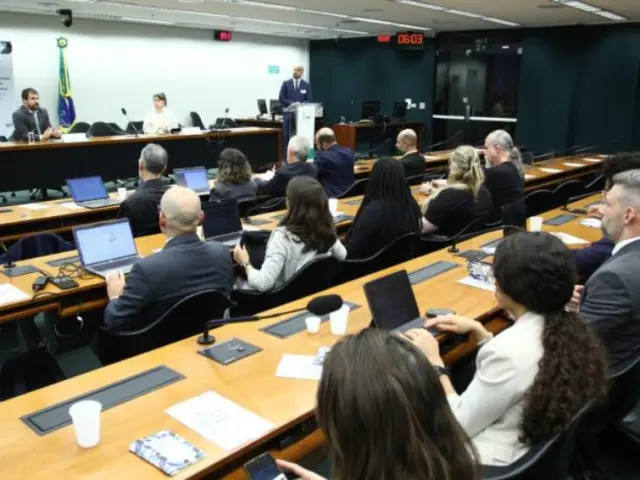
The Consumer Protection Commission of Câmara dos Deputados, of which federal deputy Celso Russomanno (Republicanos/SP) is a member, will call a public hearing so that Cemig (Minas Gerais Energy Company) can clarify the restrictions imposed on DG (distributed generation) projects in the state.
The decision was made after a video went viral on social media in February. In the video, a digital influencer interviews a professional in the solar market who states that “it has become complicated to install solar panels” in Minas Gerais, claiming that today “it is only allowed to generate solar energy from 19 pm to 5 am”.
According to the interviewee, this restriction would be based on a “loophole in the 14.300 Law”, which would allow concessionaires to define the times for consumers to generate energy. He also mentions that companies would be justifying this limitation based on the flow reversal.
Solar energy banned? Understand the truth behind the video that went viral
Hearing may take place in April
In an exclusive interview to Canal Solar, Russomanno stated that there is still no set date for the public hearing, due to the election period for the Chamber of Deputies committees.
However, as soon as this stage is completed, the hearing will be called. In addition to Cemig, ANEEL (National Electric Energy Agency) will also be called. If everything goes according to plan, the debate “could probably happen in April,” said the deputy.
Read also
- Interview: video about Cemig reignites debate on transparency of concessionaires, says senator;
- Cemig SIM will expand subscription-based solar energy outside of Minas Gerais;
- What are the impacts of flow reversal in 2025?
Russomanno also highlighted that, depending on the conduct of Cemig and the ANEEL, a process of inspection and control – a mechanism that Congress uses to monitor public and private entities – may be established.
“This could lead to criminal liability of the parties involved, both the regulatory agency (ANEEL) and the concessionaire (Cemig)”, warned the deputy.
Russomanno also said that if irregularities are identified, the inspection report will be forwarded to agencies such as the Public Prosecutor's Office and the Federal Revenue Service. "If it is found that Cemig acted irregularly, the company may be held civilly and criminally liable," he concluded.
all the content of Canal Solar is protected by copyright law, and partial or total reproduction of this site in any medium is expressly prohibited. If you are interested in collaborating or reusing part of our material, please contact us by email: redacao@canalsolar.com.br.

Comments
Comments are moderated before publication.Comments should be respectful and contribute to a healthy debate. Offensive comments may be removed. The opinions expressed here are those of the authors and do not necessarily reflect the views of the author. Canal Solar.