
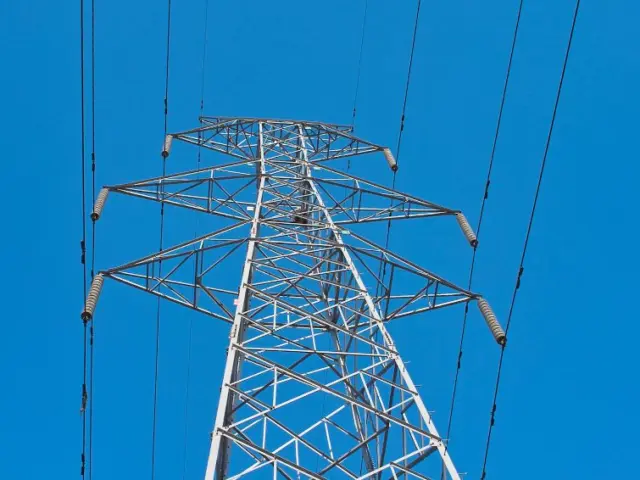
The IPCA (Broad Consumer Price Index), which measures official inflation in the country, accelerated 0,87% in August, after remaining at 0,96% in July. This is the highest result for the month since 2000 (1,31%). Inflation was driven by the increase in prices in eight of the nine segments analyzed by the IBGE (Brazilian Institute of Geography and Statistics), including housing, due to the 1,1% increase in the price of electricity.
The result obtained by the sector is a direct consequence of the tariff adjustments of 9,60% and 8,92% implemented in Vitória and Belém, both starting on August 7. The increase was also driven by the residual contribution related to the 11,38% adjustment in one of the dealerships in São Paulo, on July 4.
Read also High electricity bills will boost the solar energy market.
Furthermore, the red tariff flag, at level 2, which added R$9,49 to every 100 kWh consumed in the months of July and August, was also one of the justifiable factors for the inflationary increase. It is worth noting, however, that the 1,1% increase is lower than that recorded in July, when the sector was the main factor causing inflation in the country, reaching a 7,88% increase compared to June.
General numbers
With the new update, the IPCA has now accumulated an increase of 5,67% in 2021 and, in the last 12 months, of 9,68%, a value above the 8,99% recorded in the immediately previous 12 months. In August of last year, the monthly variation was 0,24%. The largest variation (1,46%) came from the transportation segments, due to the 2,96% increase in fuel prices, above that recorded in the previous month (1,24%). In the month, gasoline rose 2,8%. The other fuels also rose: ethanol (4,50%), vehicle gas (2,06%) and diesel oil (1,79%).
To make the calculation, IBGE compared the price data collected between July 29 and August 27, 2021 with the prices in effect between June 29 and July 28, 2021. Check below the result for each of the sectors surveyed in August:
- Food and drinks (1,39%)
- Housing (0,68%)
- Household items (0,99%)
- Clothing (1,02%)
- Transport (1,46%)
- Health and Personal Care (-0,04%)
- Personal Expenses (0,64%)
- Education (0,28%)
- Communication: (0,23%)


Comments
Comments are moderated before publication.Comments should be respectful and contribute to a healthy debate. Offensive comments may be removed. The opinions expressed here are those of the authors and do not necessarily reflect the views of the author. Canal Solar.