
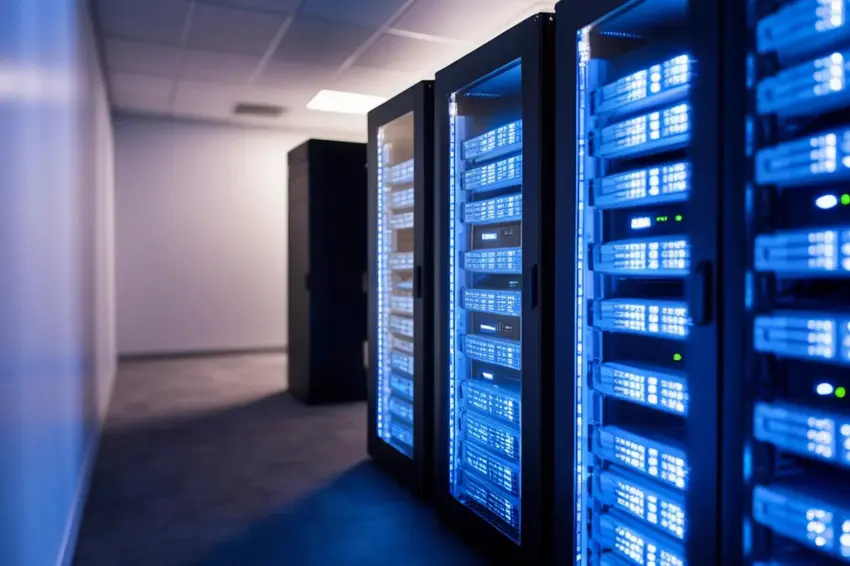
According to the Data Center Demand Index study by the consulting firm Kearney, electricity consumption by servers dedicated to artificial intelligence in data centers is expected to double by 2030.
By 2025, AI servers will account for 23% to 27% of the energy consumed by data centers. This share is expected to continue increasing with the expansion of technology use and the construction of facilities prepared to process large volumes of information.
The advancement of AI also increases the energy density required within enterprises. While traditional hyperscale environments demand between 10 and 14 kW per rack, AI inference operations consume 10 to 30 kW.
In training new models, the power requirement varies from 30 to 100 kW per rack. This type of operation demands greater processing capacity but offers more location flexibility as it does not depend on proximity to users.
According to Kearney, the combination of computing demand and energy consumption should lead to a geographical reorganization of the data center market. Electricity availability will play a more significant role in the selection of regions for new projects.
The study divides the facilities into four categories, according to the characteristics of the workloads they serve. The first category includes data centers located near urban centers, primarily focused on traditional corporate activities and AI applications that require low latency.
The second category encompasses regional and flexible facilities, intended for the majority of AI inference operations and conventional cloud services. These ventures can be located outside of major cities, considering factors such as cost and land availability.
Data centers linked to data sovereignty also appear, in which information needs to remain within certain geographical boundaries or jurisdictions.
The last category consists of energy-intensive projects, mainly used for training artificial intelligence models. Since these operations have greater location flexibility, the choice tends to favor regions with abundant electricity supply, competitive prices, and low-carbon energy sources.
Although the study focuses primarily on the European market, the findings also help to assess the opportunities and challenges for the expansion of data centers in Brazil.
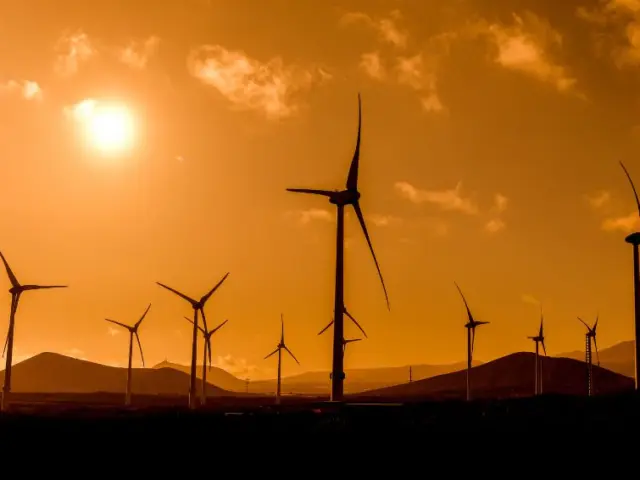
The country has factors that could favor the installation of energy-intensive projects, such as the high participation of renewable sources in the electricity matrix, territorial availability, and the potential for expansion of solar and wind power generation. However, realizing this potential will depend on grid connectivity capacity.
For Kearney, the future of digital infrastructure should be understood as a network of locations with complementary functions. Therefore, energy availability is likely to become as important as connectivity, user proximity, and data security in defining future investments.
You may also be interested
Redata is sanctioned by the Brazilian government with incentives for data centers.
all the content of Canal Solar is protected by copyright law, and partial or total reproduction of this site in any medium is expressly prohibited. If you are interested in collaborating or reusing part of our material, please contact us by email: redacao@canalsolar.com.br.



Comments
Comments are moderated before publication.Comments should be respectful and contribute to a healthy debate. Offensive comments may be removed. The opinions expressed here are those of the authors and do not necessarily reflect the views of the author. Canal Solar.