
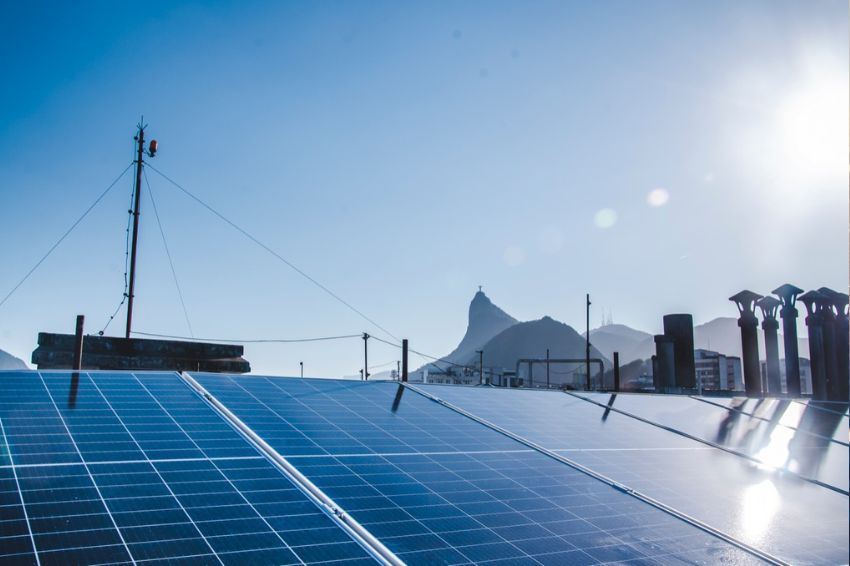
the implementation of solar energy systems is considered by Brazilians to be the second main technology able to face climate change and avoid global warming of the planet.
This is what data from the seventh edition of the survey 3M State of Science Index (State of Science Index, translated into Portuguese), an annual study that seeks to explore people's perception of the importance of science.
The survey had its responses collected between the months of September to December 2022. One thousand people were interviewed in each of the 17 countries where the study was carried out.
In addition to Brazil, the survey also heard from residents of the United States, Canada, Mexico, United Kingdom, France, Germany, Spain, Thailand, Taiwan, Italy, India, China, South Korea, Japan, Hong Kong and Australia.
Each country has a margin of error of 3,1 percentage points up or down, with the survey's confidence level being 95%.
As main technologies that Brazilians believe can help the planet face the future impacts of climate change include:
- Air pollution filtration (53%);
- Solar panels (52%);
- Affordable electric vehicles and transportation (48%);
- Ecological alternatives to traditional building materials (46%);
- Innovative use of resources to reduce waste (43%).
The study also points out that the Brazilians are more likely than other nations in the world in believing that the use of solar energy panels can help combat climate change.
On the one hand, if 52% of Brazilian respondents point to photovoltaic technology as an important tool for this, on the global average, this rate drops to just 44%.
In Brazil, most people (92%) believe that all schools should provide students with climate change education as an essential part of their science curriculum.
Furthermore, 91% of Brazilians also said they expect companies to make more efforts to encourage consumers to adopt more sustainable attitudes. The same percentage agrees that companies need to accelerate the development and adoption of technologies and innovations that address climate change.


Comments
Comments are moderated before publication.Comments should be respectful and contribute to a healthy debate. Offensive comments may be removed. The opinions expressed here are those of the authors and do not necessarily reflect the views of the author. Canal Solar.