
In a scenario of gradually aging photovoltaic plants and growing demand for O&M (operation and maintenance) services, solutions focused on cable management have been gaining ground among integrators, EPC contractors, and companies specializing in retrofitting.
Although they often receive little attention during installation, cable fastening and organization systems play an important role in the safety, operational reliability, and lifespan of solar projects.
Continuous exposure to UV radiation, temperature variations, and weather conditions can accelerate the wear and tear of faulty components, increasing the need for corrective interventions over the years.
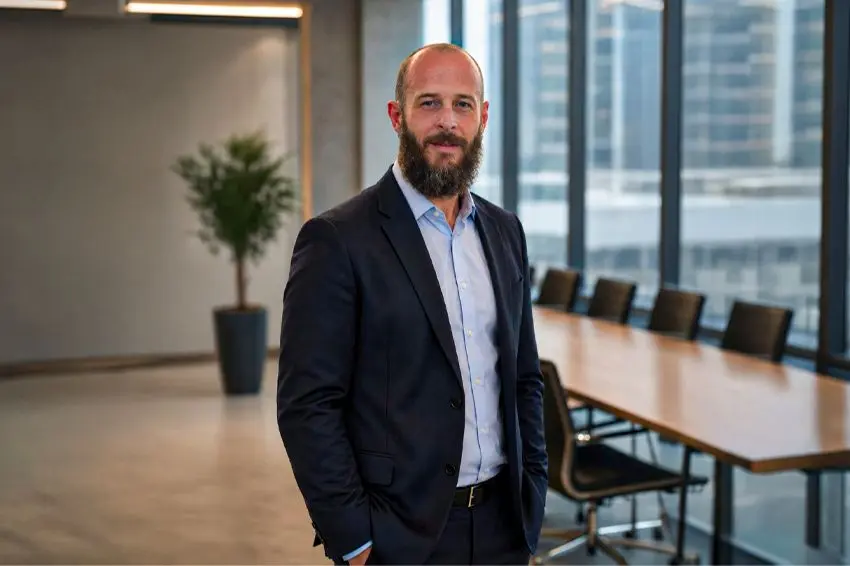
Rafael Avila, Key Account Manager at ARaymond, comments that replacing conventional plastic cable ties with metal clips specifically designed for photovoltaic applications can contribute to increased installation durability and reduced operating costs.
"Our clips, manufactured from spring steel with a zinc- and aluminum-enriched surface treatment, guarantee a secure, stable, and highly durable cable fastening, far surpassing conventional plastic straps, which are subject to UV degradation and thermal variations over time," he stated.
According to Avila, the solution was designed to last throughout the entire lifespan of the photovoltaic modules, significantly reducing the need for periodic replacements and maintenance interventions.
“The surface treatment applied minimizes the risk of galvanic cell formation, increasing the reliability of the installation even in harsh environments. As a result, the cables remain properly organized and protected for extended periods, reducing OPEX (operating costs), rework, and risks associated with cable management failures,” he said.
Another aspect explained by Avila is the resistance of the clips to galvanic corrosion, an electrochemical process that can occur when different metals come into contact in humid environments.
This phenomenon tends to accelerate the degradation of less noble materials, compromising the durability of components and increasing the risk of failures throughout the plant's operation.
According to the executive, the manufacturer's clips feature a surface treatment enriched with zinc and aluminum, developed to reduce the electrochemical potential difference between the materials in contact and, consequently, minimize the occurrence of this type of corrosion.
In practice, the technology is able to help preserve both the clips and the structures to which they are attached, preventing premature corrosion and contributing to maintaining the mechanical and electrical integrity of the components over the years.
This is expected to increase the system's lifespan and reduce the need for corrective interventions.
When questioned about the clips' performance in environments subject to vibrations, wind, and structural movements, Avila emphasizes that the solution utilizes a so-called "barb design," developed to allow for quick installation without the need for tools.
In addition to simplifying the work of field teams, the system offers high resistance to extraction, helping to ensure that the cables remain correctly positioned even under severe operating conditions.
Avila also draws attention to avoiding premature wear and electrical failures, noting that "when cables are not properly managed, they are subject to excessive movement caused by wind, thermal expansion, and vibrations, which can generate continuous friction against metal structures. This progressive wear can compromise insulation, leading to risks of short circuits, electrical failures, and even system shutdowns."
For this purpose, the clips also feature rounded edges (rolled edges), designed to reduce the risk of damage to the cable sheath during installation and throughout the system's lifespan. Another important aspect is the prevention of loose or tangled cables, known as "loops," which can suffer excessive tension and even disconnections.
According to Avila's assessment, in practice this translates to greater cable durability, reduced electrical faults and hotspots, less need for corrective maintenance, and increased reliability and lifespan of the system.
all the content of Canal Solar is protected by copyright law, and partial or total reproduction of this site in any medium is expressly prohibited. If you are interested in collaborating or reusing part of our material, please contact us by email: redacao@canalsolar.com.br.
Comments
Comments are moderated before publication.Comments should be respectful and contribute to a healthy debate. Offensive comments may be removed. The opinions expressed here are those of the authors and do not necessarily reflect the views of the author. Canal Solar.