
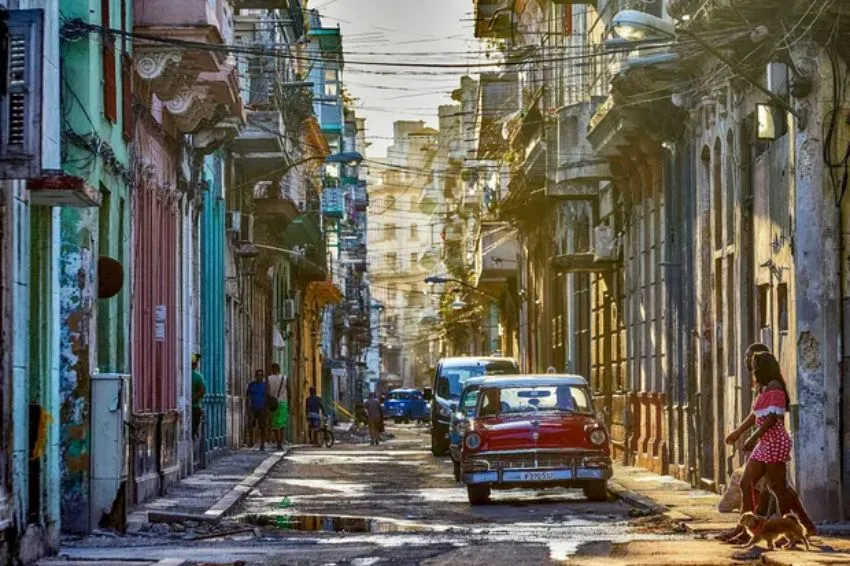
The energy crisis in Cuba intensified in March 2026, with prolonged blackouts lasting more than 15 hours a day in various regions of the country, and exceeding that period in extreme cases. The partial collapse of the electrical system has affected millions of people and amplified the impacts on the economy and basic services.
According to data released by the state-owned Unión Eléctrica and reports from international agencies such as ReutersMillions of Cubans have faced power outages in recent weeks, especially in eastern provinces where the situation is most critical.
Generation deficit and structural failures
The Cuban electrical system is operating under considerable pressure, struggling to meet national demand. Recently, generation capacity has fallen well below what is needed, highlighting a significant energy deficit.
Experts point out that the crisis is a consequence of a combination of factors, including aging infrastructure, fuel shortages, and limitations in power plant maintenance. These problems have been worsening since at least 2024.
One of the main critical points is the Antonio Guiteras thermoelectric power plant, the largest in the country, which has faced recurring shutdowns due to technical failures, according to Reuters. In addition, other generating units remain out of operation due to lack of maintenance or fuel, further reducing the capacity of the national system.
Protests and popular dissatisfaction
The deterioration of living conditions has led to demonstrations in different cities. Recent reports indicate protests motivated not only by blackouts, but also by shortages of food and medicine, as reported by... Associated Press.
In some cases, there were reports of tension and incidents during the demonstrations, with damage to public structures. Cuban authorities classified these episodes as acts of vandalism and made arrests.
Students have also been mobilizing. At institutions such as the University of Havana, protests have been registered related to power outages and the impacts on teaching and digital services.
Impacts and political landscape
Cuban President Miguel Díaz-Canel acknowledged the population's discontent with the crisis. The government has been seeking alternatives to address the situation, including signaling its openness to international dialogue amidst economic and energy difficulties. The energy crisis adds to an already challenging economic scenario, increasing social and political pressure in the country.
You might be interested!
Cuba decides to sell solar kits, but cost hinders popular access.
all the content of Canal Solar is protected by copyright law, and partial or total reproduction of this site in any medium is expressly prohibited. If you are interested in collaborating or reusing part of our material, please contact us by email: redacao@canalsolar.com.br.


Comments
Comments are moderated before publication.Comments should be respectful and contribute to a healthy debate. Offensive comments may be removed. The opinions expressed here are those of the authors and do not necessarily reflect the views of the author. Canal Solar.