

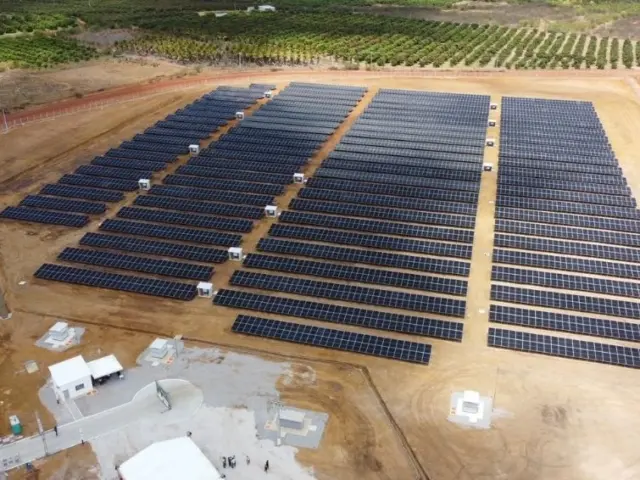
Aiming for energy efficiency, the CETESB (Environmental Company of the State of São Paulo) installed, in the city of São Paulo (SP), a 885 kWp solar plant which will generate 100 MWh monthly, reducing network consumption by 35%.
In total, they were installed 865 550 W photovoltaic modules from DAH Solar e 752 545 W panels da LONGi, distributed on the roofs of the headquarters buildings, as well as 202 3.600 W microinverters from APsystems.
According to a Thomaz Toledo, CEO of the company, the project, which included an investment of R$5 million, will enable a estimated annual savings of R$780 thousand.
“This is an important action by CETESB, as a leading environmental agency, seeking more sustainable action and operations, which will also generate cost savings. This type of project can become a model for other bodies and institutions in the state and the country”, highlighted Liv Costa, director of Corporate Management.

Advantages of microinverters
According to electrical engineer Eduardo Augusto Duarte, technical manager and co-owner of Soleri, the company responsible for installing the CETESB plant, the use of microinverters in large photovoltaic plants makes it possible to significantly increase the efficiency of capturing and converting solar energy.
“In conventional systems, problems in a single panel can affect the performance of the entire system. With microinverters, each panel operates independently, reducing losses and maximizing electricity production”, he pointed out.
Monitoring and maintenance
Duarte also highlighted that the application of microinverters offers improved monitoring for plants. With the ability to check the performance of each module individually, problems can be detected and resolved quickly, minimizing system downtime and increasing overall plant efficiency.
“In addition, these devices can provide detailed information about energy production, contributing to better operational management and decision-making,” he reported.
Scalability and flexibility
According to the engineer, the use of microinverters in large photovoltaic plants offers a scalable and flexible solution. “The ability to deploy and maintain each panel independently allows for modular construction of the system. This makes it easier to expand the plant, adapting to changing energy demand needs.”
Integration with the electrical grid
In his view, microinverters guarantee a more stable and secure connection to the local electrical grid. By converting power to alternating current directly at the panel, they reduce the occurrence of interruptions and minimize power loss during transmission.
Conclusion
Therefore, the expert highlighted that the application of microinverters in large photovoltaic plants represents a significant advance in the solar energy sector.
“The use promotes greater efficiency, advanced monitoring, scalability and flexibility, in addition to improving integration with the electrical grid. With the continued growth in demand for sustainable energy, microinverters stand out as an innovative technique that drives the solar energy revolution and brings us closer to a greener, more conscious future,” he concluded.



Comments (1)
Comments are moderated before publication.Comments should be respectful and contribute to a healthy debate. Offensive comments may be removed. The opinions expressed here are those of the authors and do not necessarily reflect the views of the author. Canal Solar.
Micro inverter?? In a project of this size?
There was money left over, that's for sure!