

The country's main telephone operators – Claro, Vivo and TIM – are increasingly investing in solar energy and other renewable sources to power their operations. The energy transition in the telecom sector has gained momentum with the adoption of its own plants, contracts in the Free Energy Market and energy efficiency programs.
Driven by environmental goals and the search for reducing operating costs, these companies are transforming their energy matrices and contributing to the decarbonization of the Brazilian economy.
With the expansion of 5G coverage and the increase in data consumption, the sector is demanding even more energy, which makes the use of clean sources not only a sustainable strategy, but also an economical one.
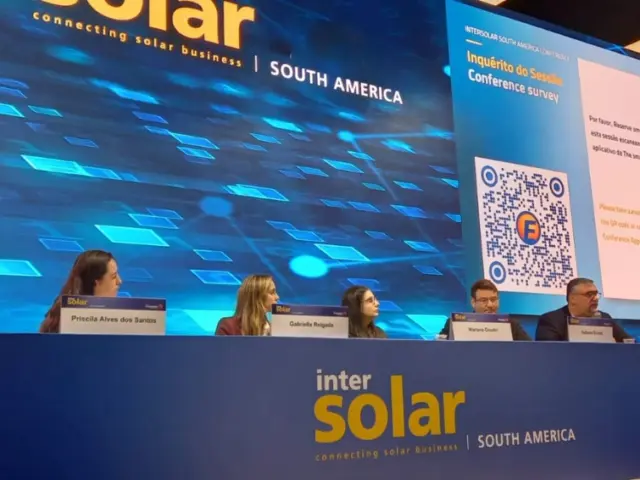
Ao Canal Solar, the companies released details of their decarbonization policies and their plans for the future. The initiatives range from the installation of solar plants throughout the country to encouraging the conscious use of energy by employees.
These movements show how the telecom sector is becoming an important ally in the national climate agenda. Check below how each of the companies has worked in the renewable energy sector.
Claro has more than 100 renewable power plants

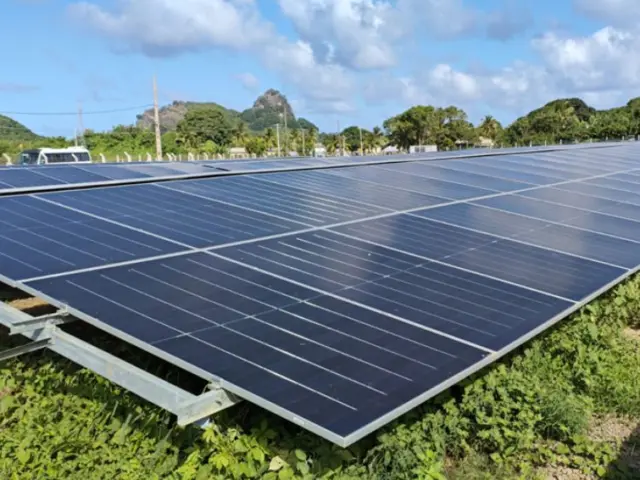
A Claro reported that this week it reached the milestone of 109 renewable plants in operation in Brazil – 96 of which are solar plants, with the expectation of reaching 100 units in the second half of this year through Claro's Energia program.
This Monday (9), the company inaugurated a solar energy plant in Guaíba, in the interior of Rio Grande do Sul – marking the resumption of the company's investments in the region after the impacts caused by the 2024 floods.
The operator also has a biogas plant, small hydroelectric plants (SHPs) and qualified cogeneration in its portfolio. In Medium Voltage, contracts are made via the Free Energy Market and are only from incentivized sources, where suppliers mostly operate wind structures.
“By the end of the year, the goal is to reach 80% of energy consumption from renewable sources. Since the beginning of the program, more than 450 thousand tons of CO₂ have already been avoided. (…) So far, in the eight years of the program, we have added 300 GWh to what was initially planned in 2017,” said Hamilton Silva, Claro’s infrastructure director.
The telecom company also highlighted that it has prioritized actions involving the use of biofuel in its vehicle fleet and the adoption of AI (artificial intelligence) to optimize consumption and the implementation of energy efficiency initiatives.
“The increased use of AI will increase energy consumption, but this time at medium voltage. By 2025, we have already increased our total contracted energy consumption by 10%. With generation targets managed, the next projects will focus on energy efficiency initiatives, such as deactivating legacy equipment, optimizing the network and even free cooling”, revealed Silva.
Vivo aims for net zero by 2035

A Living reported that it was a pioneer in the use of 100% renewable electrical energy since 2018. Today, the telecom company maintains 72 distributed generation plants in operation — 71% solar, 21% hydroelectric and 8% biogas.
The units generate more than 646 thousand MWh/year, equivalent to the consumption of 340 thousand homes and responsible for 35% of the company's total energy consumption.
In 2024, the company became a self-producer through four solar plants in Janaúba (MG), totaling 237 MWp. As a result, more than 200 of the operator's medium-voltage consumer units began to be supplied by the complex.
The company explained that the measure meant that 73% of the company's consumption in the Free Energy Market was contracted via self-production. Vivo's goal now is to reach net zero by 2035.
In addition, the company also said that it is committed to electric mobility and the circular economy. To this end, it added 200 electric cars to its fleet in 2024 and collected 37 tons of electronics through the “Vivo Recicle” program — a 208% increase compared to 2023.
For the future, Vivo reported that will continue with its commitment to maintain its consumption of electricity from renewable sources and will continue offering consultancy so that its employees can carry out inventories, set goals and make commitments aligned with science.
The telecom company also highlighted that it will continue to be a partner of agreements and institutions that promote clean and conscious energy consumption, such as RE100 – a global organization, led by the Climate Group and CDP, which brings together hundreds of companies committed to using 100% renewable electricity in their operations by 2050.
TIM produces 65% of the energy it consumes

TIM reported that it already produces 65% of the energy it consumes in 130 solar, hydro and biogas plants leased from partners, present in 23 states and the Federal District. The company's clean energy source development project was launched in 2017, with five plants located in Minas Gerais, which supplied around 1,2 TIM antennas.
Today, the total plant supplies more than 20 stations, producing 427 GWh per year – the equivalent of the consumption of 237 low-income homes or more than 700 inhabitants in a city. “We are more than doubling the number of plants we had in 2022 and we estimate savings of R$40 million in 2024 alone,” said Bruno Gentil, VP of Corporate Resources at TIM.
According to the professional, TIM has been operating with 100% renewable energy since 2021, complementing the production from the plants with acquisitions in the Free Energy Market and the purchase of renewable energy certificates, the so-called I-RECs.
For the coming years, the telecom company's goal is to increase the number of leased plants and reduce the need for consumption of non-renewable sources and these certificates. The operator will also focus on innovation, intensifying – for example – the use of IA in processes such as identifying inconsistencies in energy consumption and costs.
TIM also has the Energy Club, a program that offers employees savings on their electricity bills in exchange for consuming clean energy. Around 1,5 of the company's employees already use the benefit and are guaranteed a reduction of up to 20% on their bills, as Gentil explains.
“The energy generated in partner plants is passed on to concessionaires, who offset the credits in the consumer units of registered employees. We will further expand the program in-house and are already reaching the end consumer as well, through partnerships,” he said.
all the content of Canal Solar is protected by copyright law, and partial or total reproduction of this site in any medium is expressly prohibited. If you are interested in collaborating or reusing part of our material, please contact us by email: redacao@canalsolar.com.br.



Comments
Comments are moderated before publication.Comments should be respectful and contribute to a healthy debate. Offensive comments may be removed. The opinions expressed here are those of the authors and do not necessarily reflect the views of the author. Canal Solar.