
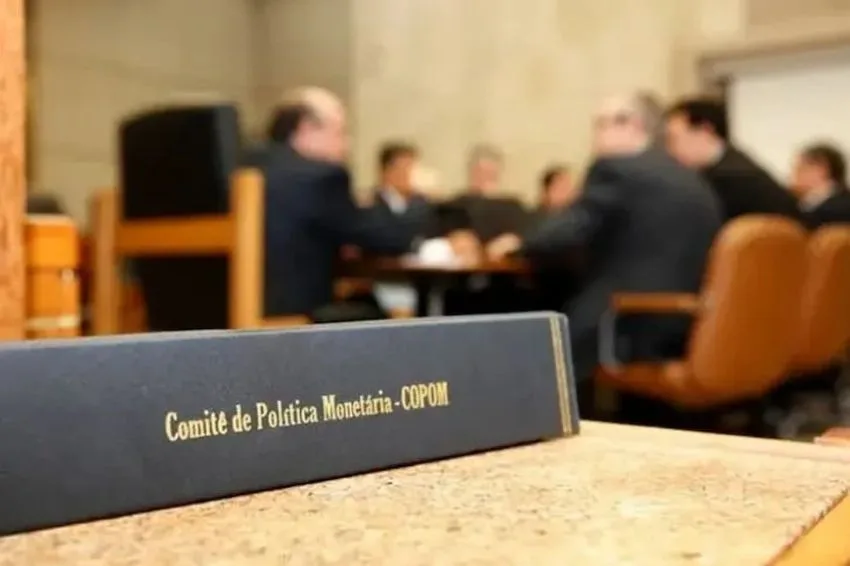
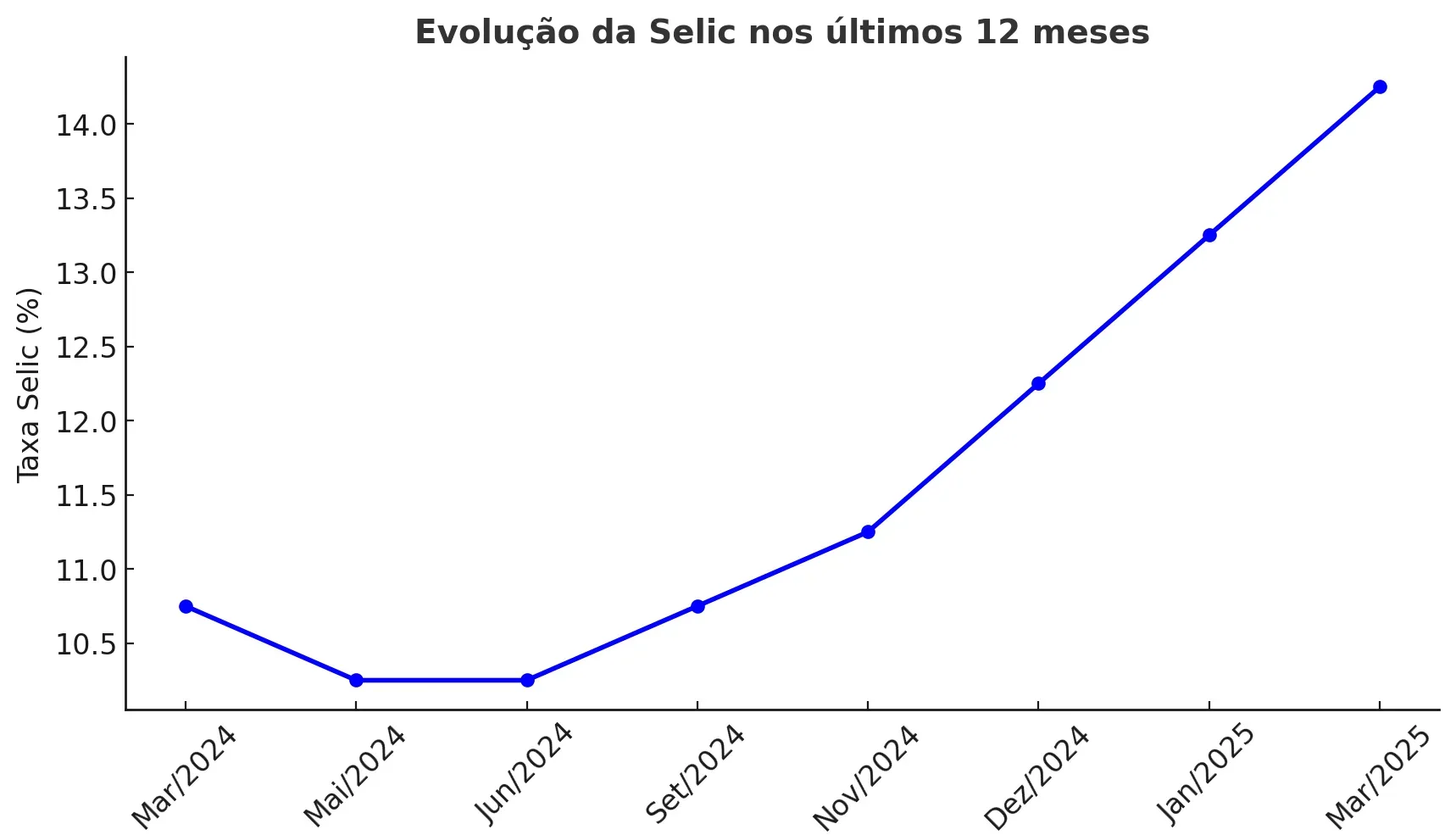
The Copom (Monetary Policy Committee) of the BC (Central Bank) raised the basic interest rate, the Selic, to 14,25% per year. The new level, defined this Wednesday (19), represents a increase of 1 percentage point compared to the previous rate, of 13,25%, the highest value recorded since 2016.
This was the fifth consecutive increase in the Selic rate. After remaining at 10,5% between June and August last year, the rate began to rise in September, with one increase of 0,25 points, one of 0,5 points and three of 1 percentage point.
In tonight's statement, Copom warned that it could make a further, smaller adjustment to the interest rate at the next meeting, which will take place in May, indicating that the monetary tightening cycle will continue.
The committee stated that the country's inflationary scenario was the determining factor for yet another increase in the Selic rate. In February, the IPCA (Broad National Consumer Price Index), which is the main reference for inflation in Brazil, rose 1,31% – the highest increase for the month of February in 22 years.
In the last 12 months, Brazil's official inflation has risen by 5,06%, exceeding the Central Bank's annual target ceiling of 3%. being able to reach a maximum of 4,5% due to the tolerance range of 1,5 points.
Impacts on the economy and the solar sector
The recent increase in the Selic rate was already widely expected by the market and could generate significant impacts on the economy, according to Bernardo Marangon, a finance specialist in the electricity sector.
“The decision reinforces the attractiveness of fixed income investments, but it also makes public debt more expensive, reducing liquidity in the economy and putting pressure on consumption and investments,” he explained.
The professional also compared the current interest rate level with the scenario of 2016, the last year of Dilma's government, when the Selic also reached 14,25%. However, he emphasized that the economic context today is very different.
“During that period, the prolonged maintenance of artificially low interest rates made it difficult to control inflation, leading to more abrupt adjustments later on. Today, the economy is more buoyant and there are good investment opportunities, but the biggest challenge continues to be the fiscal issue,” he highlighted.
For Marangon, the trajectory of interest rates will depend on the conduct of fiscal policy. “If fiscal imbalances persist, the Central Bank may be forced to keep interest rates high for longer to contain inflation.”
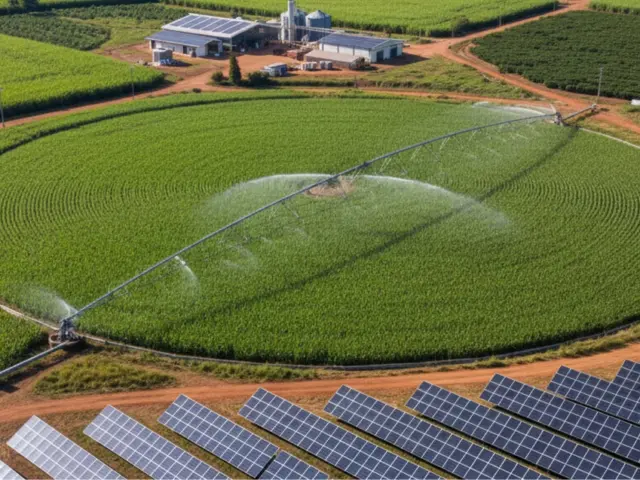
According to him, this scenario also brings challenges for the solar energy sector, as the cost of capital rises and financing becomes more expensive.
“With higher interest rates, investors may opt for lower-risk investments, reducing their appetite for long-term projects such as solar energy. This could affect the pace of new investments in the sector,” concluded Marangon.
Selic rate
The basic interest rate is used in negotiations of public bonds issued by the National Treasury and serves as a reference for other rates in the economy, being the BC's main instrument for keeping inflation under control.
When inflation is low, Copom reduces the interest rate to stimulate consumption and stimulate the economy. On the other hand, when it is high, as is the case in the current scenario, the agency raises the Selic rate to restrict consumption and reduce pressure on prices, such as food, fuel and energy.
The Central Bank only considers reducing the interest rate when it is certain that prices are under control and the risks of high inflation are eliminated, which is not the current case.
As a rule, a significant increase in interest rates is detrimental to the development of any country, even though it is a necessary measure to control inflation.
From an investor's point of view, the Selic rate serves as a parameter to assess the viability of their investments. This, in turn, negatively impacts the value of companies and businesses in general.
Copom Meetings
Copom is the body of the Central Bank that meets every 45 days to define the level of the Selic rate. The objective is to ensure that the country's monetary policy achieves its objectives efficiently.
Once the basic interest rate has been defined, the Central Bank acts daily through open market operations, buying and selling federal public bonds, to keep interest rates close to the value defined at the meeting and prevent inflation from getting out of control.
all the content of Canal Solar is protected by copyright law, and partial or total reproduction of this site in any medium is expressly prohibited. If you are interested in collaborating or reusing part of our material, please contact us by email: redacao@canalsolar.com.br.




Comments
Comments are moderated before publication.Comments should be respectful and contribute to a healthy debate. Offensive comments may be removed. The opinions expressed here are those of the authors and do not necessarily reflect the views of the author. Canal Solar.