
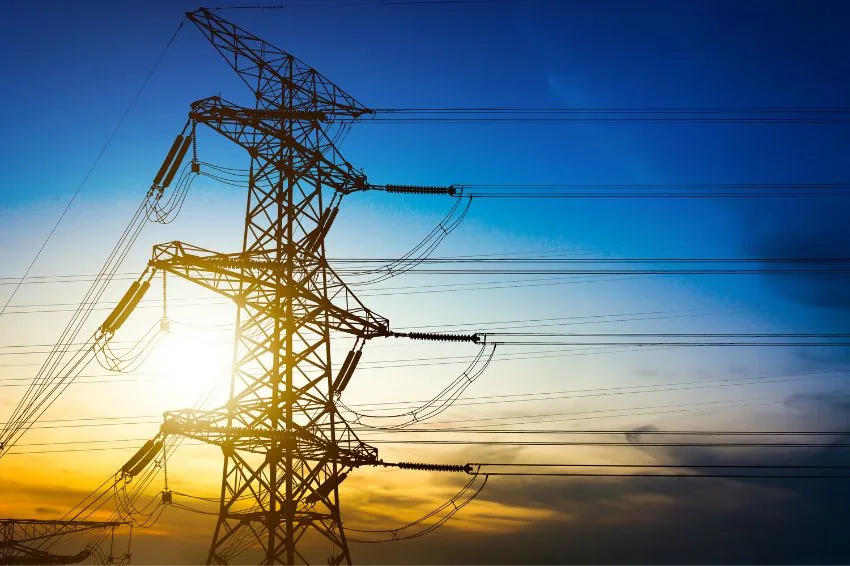
On June 18, 2025, the Ministry of Mines and Energy (MME) published Normative Ordinance No. 111/2025, which establishes general guidelines to encourage the gradual digitalization of low-voltage electricity distribution networks. This is yet another regulatory milestone aligned with the Brazilian electricity sector's modernization agenda, driven by themes such as energy transition, market opening, and technological innovation.
As a lawyer working in the regulation of the energy sector, I believe that the Ordinance represents an important step, but that it also raises legal, economic and operational challenges that will need to be carefully addressed by agents and by the company itself. Aneel.
The regulatory context has always been a crucial initial step, although in some situations it arises after the triggering event, but as a path towards the structural transformation of concepts and the implementation of new tools – the digitalization of the low-voltage electricity distribution service – will be directly linked to the implementation of smart meters, efficient demand management and expanded access to consumer data (a movement known as Open Energy).
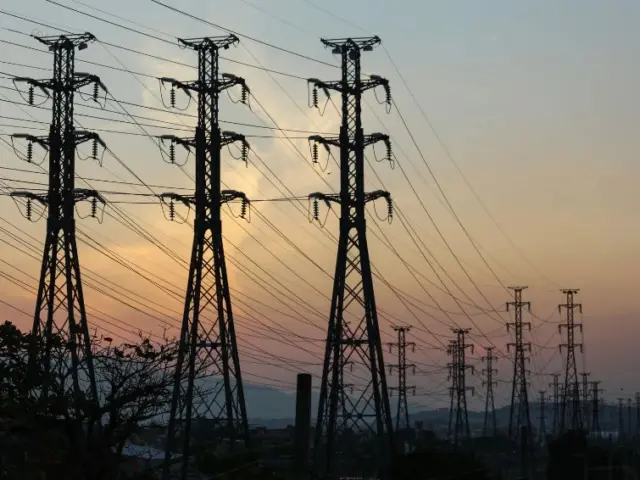
MME wants to digitalize the energy distribution system by 2035
MME Normative Ordinance No. 111/2025 finds legal support in Decree No. 12.068/2024, which already provided, among its attributions to the MME, the establishment of these guidelines and is also articulated with the principles of Law No. 9.074/1995 and with the recent debates on the opening of the energy market to low voltage.
However, the main institutional advances, from a legal and regulatory point of view, the Ordinance stands out for defining clear principles for digitalization, such as equality, transparency, cybersecurity and tariff moderation, strengthening data governance, by requiring open APIs for consumers and the market, always in compliance with the LGPD (Law No. 13.709/2018), inducing innovation and new business models, which may open space for new entrants in the energy services market, bringing regulatory predictability, by conditioning the implementation of meters to a prior cost-benefit analysis, avoiding automatic and unjustified tariff transfers.
Despite the progress of the Ordinance, some legal and regulatory challenges deserve attention: for example: the implementation of features such as remote power cut-off and reconnection, if not accompanied by objective criteria and guarantees for vulnerable consumers, can generate legal conflicts. There is always the risk of individual or collective actions due to abuse or failure in procedures.
Tariff transfer: the definition of who will bear the costs of digitalization (concessionaires, consumers or via sector funds) will still depend on specific regulations from Aneel. There is a risk of undue burden on the end consumer, especially low-income consumers. And, although the Ordinance brings security requirements, the processing of sensitive consumer data will require technical and legal rigor from distributors to avoid incidents that could result in sanctions for violation of the LGPD.
Energy distributors will also need to review their contracts with technology suppliers, seeking clear clauses on technical responsibility, SLAs, interoperability requirements and regulatory compliance.
The Ordinance makes it clear that the practical implementation of digitalization will be designed through future regulations by Aneel, including: definition of performance indicators; rules on meter ownership, cybersecurity standards, and procedures for cost-benefit analysis. The design of these secondary rules will be decisive for the success (or failure) of the process. It is recommended that industry players and consumer protection entities closely monitor Aneel's upcoming public consultations.
A 111 / 2025 Ordinance It is a transformational opportunity to make the distribution system more efficient, safe and transparent, but strong joint action will be required between the regulator, concessionaires, consumers and the technology market.
From a legal point of view, the coming months will require:
- Constant regulatory monitoring;
- Contractual adjustments at distributors;
- Review of business models by traders, ESCOs and other agents;
- Tariff impact analysis;
- Strategies to mitigate legal and image risks.
The digital transformation of energy distribution is inevitable, but the challenge will be to ensure that it occurs in an inclusive, safe, regulatory and legally sound way, with a real focus on the energy consumer.
The opinions and information expressed are the sole responsibility of the author and do not necessarily represent the official position of the author. Canal Solar.

Comments
Comments are moderated before publication.Comments should be respectful and contribute to a healthy debate. Offensive comments may be removed. The opinions expressed here are those of the authors and do not necessarily reflect the views of the author. Canal Solar.