
For every R$1 invested in small and medium-sized photovoltaic systems, the solar sector returns more than R$3 in social and economic gains to Brazilians. The survey was conducted by ABSOLAR (Brazilian Association of Photovoltaic Solar Energy) based on data on investments made in the area since 2012.
According to the association, the study considered the growth in revenue from federal, state and municipal governments resulting from contributions to solar DG (distributed generation), the creation of new jobs and income generation in Brazil with businesses and projects developed in the period, among other indicators.
“It is worth mentioning that these calculations refer to part of the economic and social gains, but there is another very important set of advantages that are brought by DG, which are the environmental benefits – not directly included in this analysis”, highlighted Rodrigo Sauaia, CEO of ABSOLAR.
For the executive, there are also electrical and energy gains, when one takes into account that the energy generated by photovoltaic systems is helping to alleviate the operation of the system, reduce losses, postpone investments in new plants, new transmission infrastructure and even distribution, which would all be paid and shared by consumers.
“This 3 to 1 number has the potential to be even higher. In addition to the benefits I mentioned, we have all the environmental gains, with the relief of pressure on water resources, the reduction of greenhouse gases and the reduction in the emission of polluting and particulate materials that harm health and increase system costs – paid and distributed throughout society”, Sauaia pointed out.
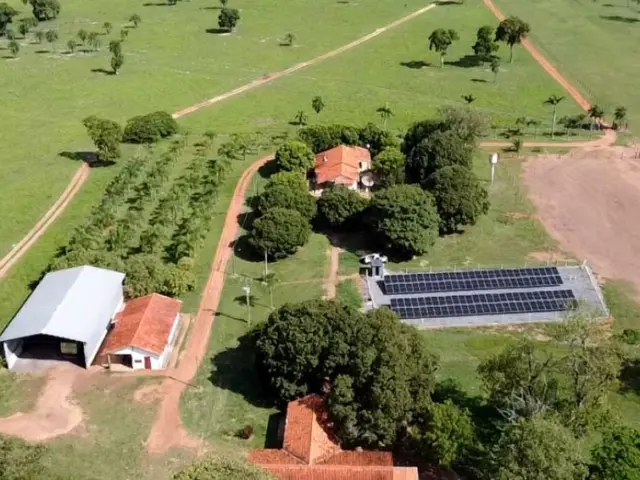
“Furthermore, it is a technology that can be installed in built-up areas, that is, without using productive land, allowing these areas to be used to generate wealth in other ways. On the other hand, it can be installed on unproductive land, which would not be suitable for agriculture, livestock and other purposes”, he added.
Also according to the expert, investments in solar positively impact the development of the Brazilian electricity sector. “In addition to direct savings on the energy bill, solar systems represent, firstly, private investments made by consumers themselves in plants that will help supply the country’s electrical matrix, therefore contributing to the national electrical energy infrastructure” .
“When we think about the gains that solar can bring, the first thing that comes to mind is the reduction in electricity costs for consumers who invest in the technology directly. But it is important to understand that distributed photovoltaic generation brings a series of other benefits, not only for the electricity sector, but for Brazilian society”, he highlighted.
“These are contributions that also move companies and generate quality jobs for Brazil. Therefore, we realize that there is a social and economic gain, which is both directly in these movements and investments, and indirectly generating revenue for the public authorities, whether on people's payroll or on the equipment, services and revenue of companies”, he added. Sauaia.




Comments
Comments are moderated before publication.Comments should be respectful and contribute to a healthy debate. Offensive comments may be removed. The opinions expressed here are those of the authors and do not necessarily reflect the views of the author. Canal Solar.