
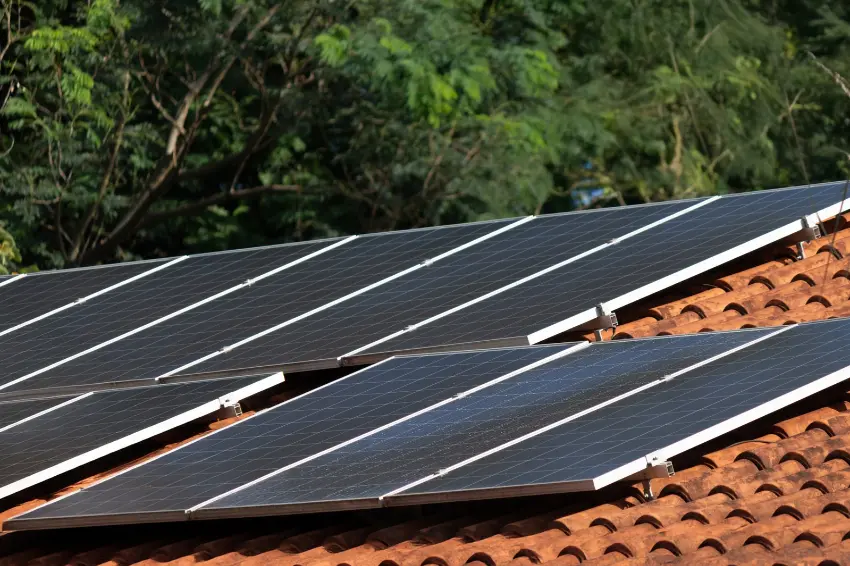
Distributed generation (DG) accounted for 92% of photovoltaic modules imported by Brazil in the first half of 2026. A year earlier, the segment represented 78% of the nationalized volume.
Between January and June, approximately 5 GWp of equipment was allocated to small and medium-sized systems, including rooftop installations and remote generation plants.
Despite the increase in participation, demand for distributed generation (DG) also lost momentum. The volume imported into the segment fell 39% compared to the first half of 2025, when it reached 8,2 GWp.
The data is part of a survey by the consulting firm Greener on the nationalization of solar modules in the country.
The largest decline was recorded in centralized generation. The volume allocated to large solar power plants fell by 82%, from 2,3 GWp in the first half of 2025 to 430 MWp this year.
According to Greener, the result reflects the impacts of mandatory generation cuts, known as curtailment, on the profitability of projects. This scenario has discouraged new investments and reduced the contracting of equipment.
With the sharper decline in centralized generation, distributed generation (DG) expanded its share of the Brazilian module market, even in the face of reduced import volumes.
In total, Brazil imported 5,48 GWp of photovoltaic modules in the first half of 2026, a 48% decrease compared to the 10,57 GWp recorded in the same period last year.
The equipment should enable approximately R$ 14,6 billion in investments in solar energy. In the first half of 2025, the estimated value had reached R$ 30,4 billion.
The concentration of imports in distributed generation reflects the segment's recent performance in the country. As shown by the Canal SolarDistributed generation (DG) has already reached 54 GW of installed capacity in 2026, exceeding the projection made by 2,2 GW. ABSOLAR For the end of the year.
The scenario is different in centralized generation. Large power plants total 23,6 GW, about 500 MW below the estimate for December. At the same time, the volume of modules imported for this market fell by 82% in the first half of the year, amid the effects of curtailment on profitability and the implementation of new projects.
Although import and installed capacity data are not directly comparable, because there is a gap between the nationalization of equipment and the connection of systems, both indicators point to the same trend.
Demand falls, but prices rise.
The reduction in imports was observed in five of the first six months of the year. The largest drops occurred in March, at 71,6%, and April, at 60,7%, compared to the same period last year.
May was the only exception. In that month, the country imported 1,4 GWp of modules, a 6,5% increase compared to May 2025. In June, the volume fell again, ending the semester at 634 MWp, compared to 851 MWp in the same month of the previous year.
Although demand has decreased, the weighted average price of imported modules increased by 12,9% year-on-year. The value rose from US$0,0802 per watt-peak in the first half of 2025 to US$0,0906 per watt-peak in 2026.
The figures consider the FOB price, which does not include freight, insurance, taxes, and other import-related expenses. The increase was concentrated in the second quarter. In May, the average price reached US$0,1042 per watt-peak, the highest value of the period and 29% above that recorded in January.
According to Greener, the movement coincides with the end, in April, of the 9% incentive granted by China to exports of photovoltaic modules. The change put pressure on the cost of equipment in the international market and may have contributed to the increase in prices paid by Brazilian importers.
all the content of Canal Solar is protected by copyright law, and partial or total reproduction of this site in any medium is expressly prohibited. If you are interested in collaborating or reusing part of our material, please contact us by email: redacao@canalsolar.com.br.





Comments
Comments are moderated before publication.Comments should be respectful and contribute to a healthy debate. Offensive comments may be removed. The opinions expressed here are those of the authors and do not necessarily reflect the views of the author. Canal Solar.