
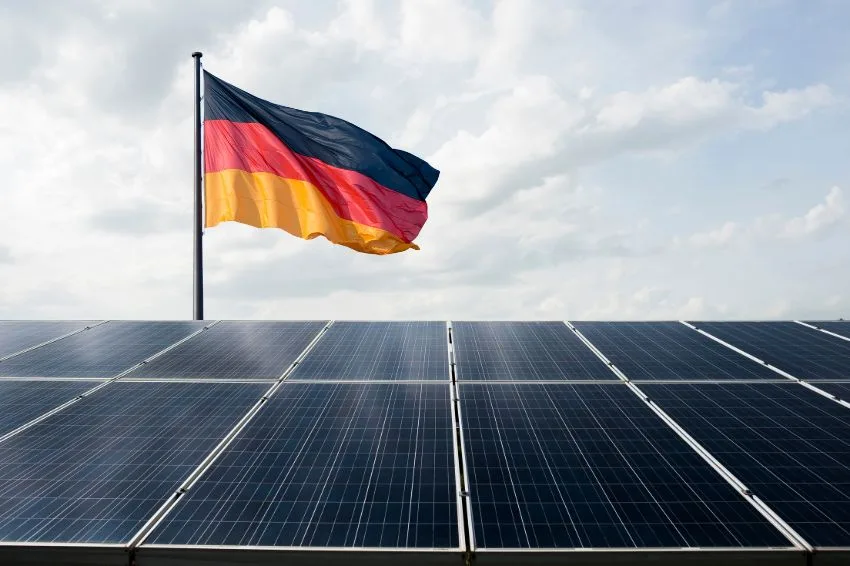
Um study performed by Fraunhofer Institute for Solar Energy Systems predicts that solar energy should surpass the share of fossil sources in the German electricity matrix in 2025.
According to a statement released this Friday (2) by BSW (Federal Association of the Solar Industry), electricity generation from solar energy represented, in 2024, 15,57% of the country's electricity matrix, while sources such as brown coal had a share of 15,61%.
The growth of the solar sector is due to the strong increase in the installation of photovoltaic systems over the last year. According to BSW, in 2024, installed capacity totaled 17,5 GW — a growth of 14% compared to the previous year. The expectation for 2025 is that investments in the sector will continue at a fast pace.
“While demand for solar panels in the residential sector has cooled after the boom caused by the coronavirus pandemic and the energy crisis – and could stabilize at a still high level in the course of the year – demand for plug-and-play solar devices, so-called balcony solar systems, is expected to double again by 2025,” says Carsten Körnig, CEO of the Federal Association of the Solar Industry.
“In the case of the construction of solar plants on open land and on the roofs of commercial buildings, we expect an increase, albeit modest, compared to the previous year,” he highlighted.
Environmental impact and financial return
Currently, around five million solar systems are in operation in Germany. According to the Federal Environment Office, in 2024, the country avoided the emission of more than 50 million tons of greenhouse gases thanks to the use of solar energy.
From an economic perspective, estimates from the energy consultancy Neon indicate that, without photovoltaic generation, electricity prices on the market could be up to 25% higher than current levels.
In the domestic sector, the saving generated using low-cost solar electricity could reach nine billion euros per year — which represents, for a typical household, savings of up to € 80,00. In the industrial sector, cost reduction can reach up to 10%.
Recent data from the Federal Network Agency, together with projections from BSW, indicate that Germany currently has around 105 GW of installed capacity in solar systems.
Of this total, 38% is in homes, 29% on the roofs of commercial buildings, 32% in installations mounted in open areas, and approximately 1% corresponds to so-called balcony solar systems, connected by simple plugs. According to the goals established by the federal government, this capacity should reach 215 GW by 2030.
First heat wave hits Germany, with solar and wind power supplying 99% of the country's electricity
The holiday last Thursday (1st) may have contributed, due to low demand, to the increase in solar generation, according to the forecast of Bloomberg.
According to estimates, the country may have reached, on the afternoon of the holiday, up to 99% of its electricity consumption supplied by renewable sources, such as solar and wind energy.
This scenario may have caused a drop in electricity prices, reaching negative values at certain times of the day. As Bloomberg points out, phenomena like this have become increasingly frequent in Europe.
While they benefit households and industries with time-based tariffs, they pose a challenge for investors and technology developers due to the low financial return.
If the predictions are correct, electricity prices may have dropped below zero between 10am and 17pm on the holiday. France may also have seen a similar phenomenon.
all the content of Canal Solar is protected by copyright law, and partial or total reproduction of this site in any medium is expressly prohibited. If you are interested in collaborating or reusing part of our material, please contact us by email: redacao@canalsolar.com.br.





Comments
Comments are moderated before publication.Comments should be respectful and contribute to a healthy debate. Offensive comments may be removed. The opinions expressed here are those of the authors and do not necessarily reflect the views of the author. Canal Solar.