
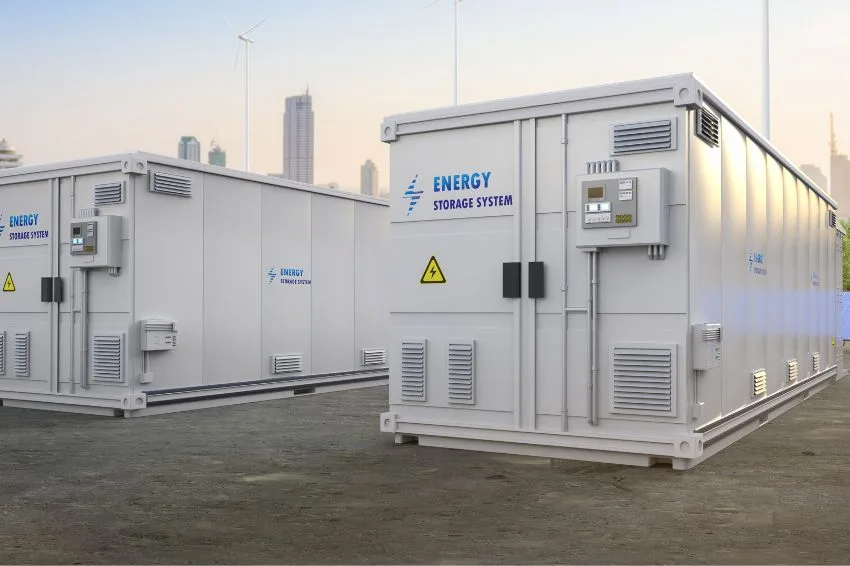
With the publication of CP 194 and 195 for thermoelectric and hydroelectric plants, the electricity sector eagerly awaits the Technical Note that should define the participation of battery storage systems (BESS) in upcoming capacity auctions. This could be the milestone that will solidify storage as a key component of the Brazilian electricity grid.
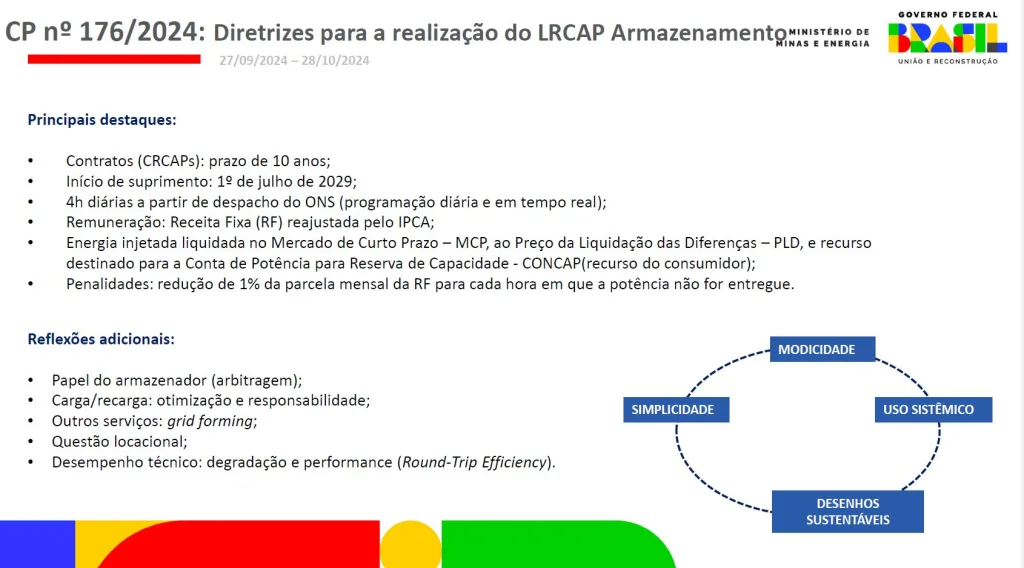
Among the points under discussion, I highlight the possibility of bringing forward project operations and creating annual products. The speed of BESS implementation and its competitiveness compared to thermal power plants, already demonstrated in studies by ABSAE (Brazilian Association of Energy Storage Solutions) and Aurora Energy Research, pave the way for more agile and flexible auctions, offering a rapid response to system needs.
Another essential debate will be about participation models: whether only stand-alone projects will be allowed to compete or whether there will also be room for hybrid configurations. This decision will have significant regulatory, technical, and economic implications.
Defining clear rules for granting and operating contracts is equally crucial. Transparency in charges and dispatch will reduce risks and attract investment, incorporating lessons learned from CP 39/2023. It will also be important to detail criteria that consider annual cycle limits and evaluate the extension of the contract term from 10 to 15 years, ensuring the economic viability of projects.
Tax aspects also require attention, especially in relation to the capacity product and ancillary services, in addition to the possible application of the REIDI regime (Special Incentive Regime for Infrastructure Development).
From a locational perspective, EPE (Energy Research Company) and ONS (National Electric System Operator) will play a central role in guiding the positioning of projects to maximize systemic benefits.
In parallel, advanced stabilization features, such as grid forming, have already shown in markets such as the US, Europe and Australia that they can be implemented without a significant increase in CAPEX (Capital Expenditure).
Finally, it will be essential to define robust technical requirements: minimum RTE with transparency at the measurement point, safety certifications aligned with international standards, clear environmental criteria, and consideration of battery degradation in sizing and warranties. These measures will avoid challenges similar to those encountered with previous technologies, such as AFCI in inverters.
This is a decisive moment. Defining these rules will be crucial to consolidating BESS as a strategic solution in Brazil. And there is confidence that the teams at the Ministry of Mines and Energy, the National Health Service (OMME), the National Health Service (ONS), the State Energy Agency (EPE), and the ANEEL will be up to this challenge.
The opinions and information expressed are the sole responsibility of the author and do not necessarily represent the official position of the author. Canal Solar.



Comments
Comments are moderated before publication.Comments should be respectful and contribute to a healthy debate. Offensive comments may be removed. The opinions expressed here are those of the authors and do not necessarily reflect the views of the author. Canal Solar.