

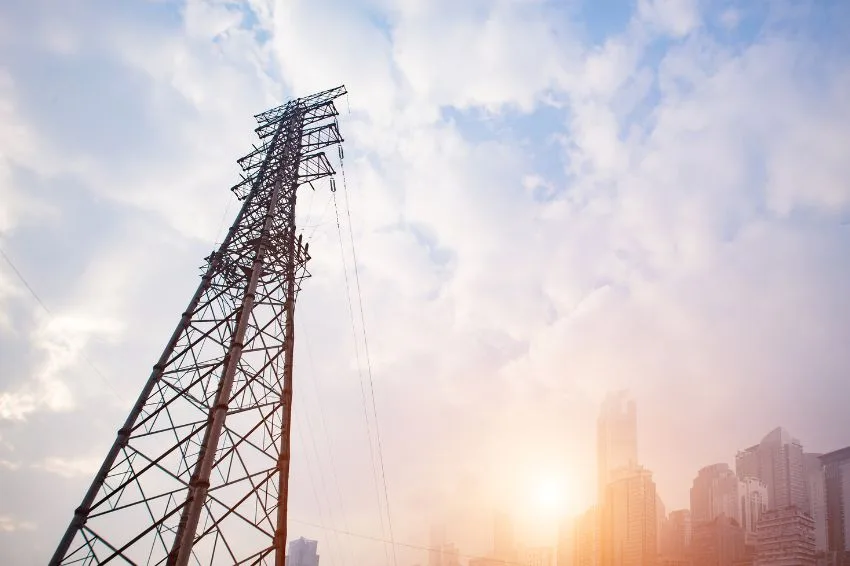
Approved by the Senate on Thursday night (04), MP 998 (Provisional Measure 998/2020), is expected to negatively impact the Brazilian economy and electricity sector. The proposal, among other issues, foresees that 30% of the mandatory resources that electricity concessionaires apply in R&D (research and development) and energy efficiency programs be used to reduce increases in energy tariffs until 2025.
As a result, more than R$3 billion will no longer be invested in the research sector and will be transferred to CDE (Energy Development Account) with the aim of reducing tariff increases caused by the effects of the pandemic. Due to the drop in energy consumption, distributors took out loans of R$15 billion to compensate for lost revenue. In this package, only funds for projects already contracted or initiated will be preserved.
Marcelo Villalva, professor of electrical engineering at Unicamp and specialist in photovoltaic systems, believes that approving the document was a strategic error. “The withdrawal of resources for research, in any context, always has negative impacts on society and the country’s economy. Unfortunately, investment in research, science and technology is culturally seen as an expense and not an investment in our country,” he stated.
According to him, the amounts invested are fundamental to modernizing equipment and processes in the Brazilian electricity sector. “The program has allowed, over the years, the development of many technologies for the protection and inspection of GTD systems (generation, transmission and distribution of electrical energy), research for the protection of fauna and flora in the electrical sector, among many other things. The R&D program also promotes the training of qualified labor and encourages the creation of technology startups.”
Villalva also pointed out that the promised reduction in energy tariffs will have a “negligible effect”, because it will rise again over time. “Brazilian society will once again have more expensive energy and will be deprived of the benefits of the R&D program.”, he projected.
“It is a brutal mistake to attempt to reduce electricity tariffs by a few cents by withdrawing resources for research and development, without looking at the social, economic and technological benefits that science and technology provide for the electricity sector and for Brazil.”
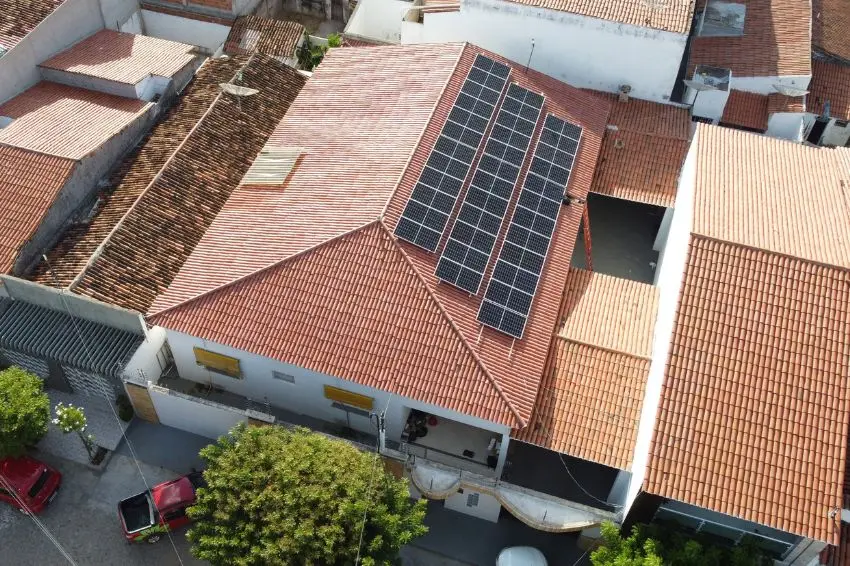
Regarding the energy efficiency program, which could also be affected by the MP, the professor was concerned. “The energy efficiency program in the electrical sector promotes the modernization of electrical installations and the insertion of photovoltaic solar energy in schools, hospitals and public buildings throughout Brazil,” he said.
“When energy efficiency is promoted and when the use of solar energy is encouraged, what is being done is the reduction in the use of electrical energy and the insertion of clean and cheap energy, two actions with positive effects in reducing electricity tariffs. electrical energy”, highlighted the teacher.

An answer
Dear Henrique, I'm sorry, but unfortunately it's up to you and me not to worry about this problem anymore. Take part and don't worry about it anymore. This is our country. Development has no value whatsoever. It's been part of our culture since the Portuguese arrived in Brazil that we are not capable of having our own technologies. We have always preferred to use those of foreigners. Our country (the Brazilian state) thinks that foreigners should do our homework in the same way that our ancestors only wanted to use the goods of our land without giving anything in return to humanity. I hope that in the distant future young people like you can change this way of thinking. This is why Einstein said that people had to die because it was the only way for society to develop and improve. Look at the shame we are going through during the pandemic. We are not capable of producing basic inputs to produce vaccines. It seems that in our country little is learned.
A shame. Our cell phones, TVs, cars, motorcycles are all foreign. Our industry particularly doesn't spend a dime on R&D. They think it's something for the government to do.
A shame because we pay foreigners to make the technologies we will use.
professor Carlos Argolo (Ph.D.) @ Boston University Massachusetts USA.