
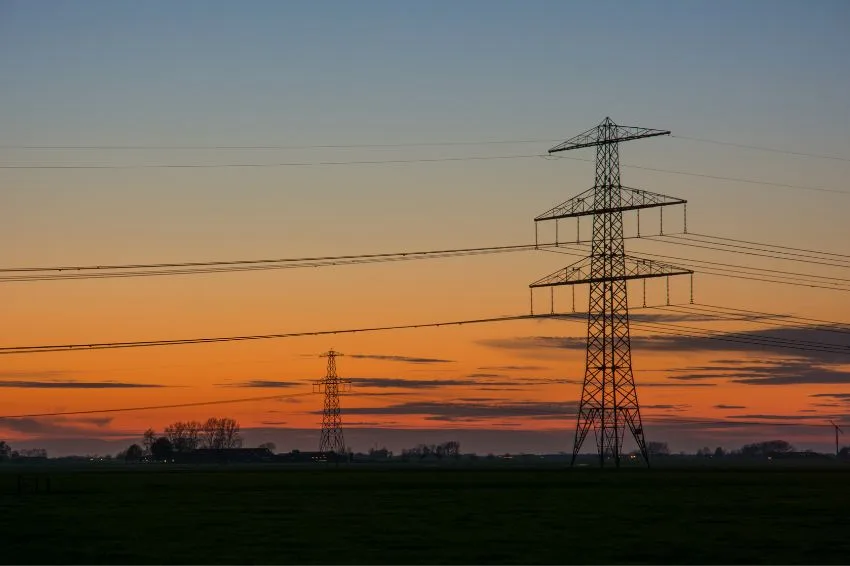
The ONS (National Electric System Operator) has just released a technical report that analyzes the increase in power generation cuts in Brazil, a phenomenon known as curtailment.
The study is part of the actions of the GT (Working Group) of the CMSE (Electric Sector Monitoring Committee), of which the Operator is a member, with the aim of seeking solutions to mitigate the impacts caused by cuts in generation from renewable sources.
One of the main conclusions of the document involves projections for the coming years, focusing on the period from 2026 to 2029. The analysis indicates that curtailment for energy reasons tends to become even more prevalent.
“The impact of this phenomenon will be more severe during the daytime period (09am to 15:59pm), when solar generation is high and the net load of the system is low. Reliability outages, on the other hand, tend to decrease due to the expansion of the transmission network, although local restrictions may underestimate this effect,” the report states.
The document also highlights that the entry into operation of all plants with CUST (Transmission System Usage Contract) could increase the average curtailment to 10% for wind sources and above 20% for photovoltaic sources, highlighting “the need for new management strategies and greater system flexibility”.
Another point raised is the potential impact of DG (distributed generation) in this scenario. According to the ONS, in a hypothetical scenario in which DG participates in a commercial sharing of energy cuts (proportionate to the contribution of each source in each hour), the financial impact on centralized solar and wind sources could be reduced by more than 50%.
Currently, micro and mini distributed generation systems are not integrated into the ONS control mechanisms, which – according to the Operator – creates an imbalance in the application of the curtailment and overloads centralized plants.
“The lack of specific technical requirements for connecting and operating these resources worsens this scenario, making efficient management of the system difficult,” the published report pointed out.
Government creates working group to minimize curtailment in solar and wind power plants
Modernization is essential
The study highlights that regulatory modernization will be essential to ensure that REDs (Distributed Energy Resources) contribute to the stability of the SIN (National Interconnected System), allowing operational control and the participation of these agents in possible proportional cuts.
“The advancement of this process involves defining new roles for distributors, which must evolve into distribution system operators, in addition to the adoption of tariff mechanisms that reflect the costs and benefits of distributed generation”, the study reported.
Finally, the ONS informs that it has been working in partnership with ANEEL (National Electric Energy Agency) and others stakeholders to improve regulation. “However, for the SIN operation to remain efficient and safe, a joint effort is needed to adapt technical standards, regulations and operational processes, promoting a more dynamic and sustainable model for the electricity sector,” the report concludes.
Click here to access the full report.
all the content of Canal Solar is protected by copyright law, and partial or total reproduction of this site in any medium is expressly prohibited. If you are interested in collaborating or reusing part of our material, please contact us by email: redacao@canalsolar.com.br.

Comments
Comments are moderated before publication.Comments should be respectful and contribute to a healthy debate. Offensive comments may be removed. The opinions expressed here are those of the authors and do not necessarily reflect the views of the author. Canal Solar.