
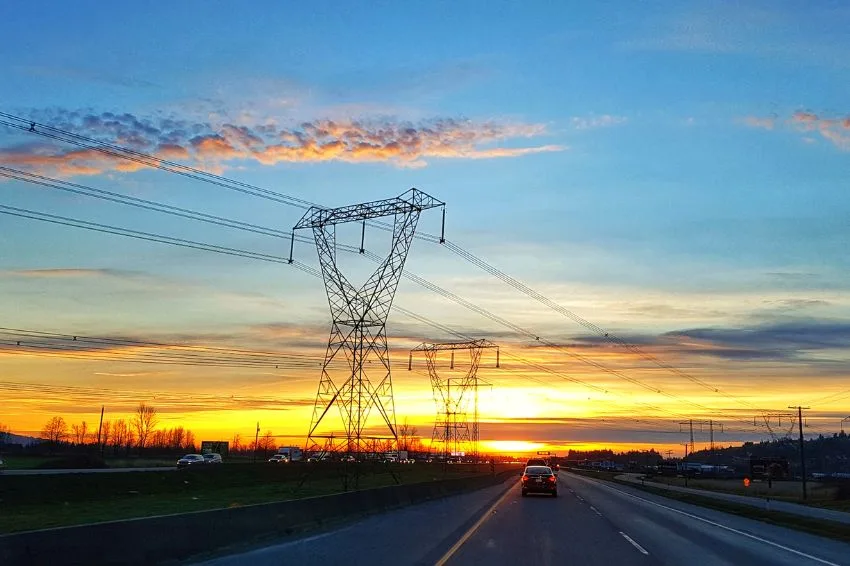
O ONS (National Electric System Operator) will make adjustments to the restriction processes this Tuesday (17) wind and photovoltaic generation. The objective is to improve the security of the SIN (National Interconnected System) through improvements in processes and methodologies.
According to the agency, the measure will bring greater reliability to the SIN and will allow these restrictions, when necessary, not to be concentrated in some sets of generators and/or regions.
A new methodology will be applied, initially, in the states of Rio Grande do Norte and Ceara due to the benefits of improving electrical safety in these two states.
Once implemented, by avoiding the concentration of restrictions at a single point, your results will be evaluated in subsequent months from the perspective of increasing reliability and electroenergetic optimization.
Generation restrictions occur due to system situations that require compliance with a limitation in the transmission network.
Currently, according to the methodology used, the decision on which generator will be subject to the restriction measure is based on the sensitivity factor, that is, on the impact of that restriction on reducing the load on the transmission asset (transmission lines and/or transformers) under analysis in the region.
As the methodology evolves, the ONS will continue to consider the sensitivity factor, but will start to consider a larger set of generators grouped according to the similar impact on the power flow that needs to be controlled.
After implementation in the states of Rio Grande do Norte and Ceará, ONS will continue working to evaluate expansion the use of this methodology for other regions of the system, with the aim of improving security and maximizing the use of available resources from variable renewable sources.
Read also
all the content of Canal Solar is protected by copyright law, and partial or total reproduction of this site in any medium is expressly prohibited. If you are interested in collaborating or reusing part of our material, please contact us by email: redacao@canalsolar.com.br.
Comments
Comments are moderated before publication.Comments should be respectful and contribute to a healthy debate. Offensive comments may be removed. The opinions expressed here are those of the authors and do not necessarily reflect the views of the author. Canal Solar.