
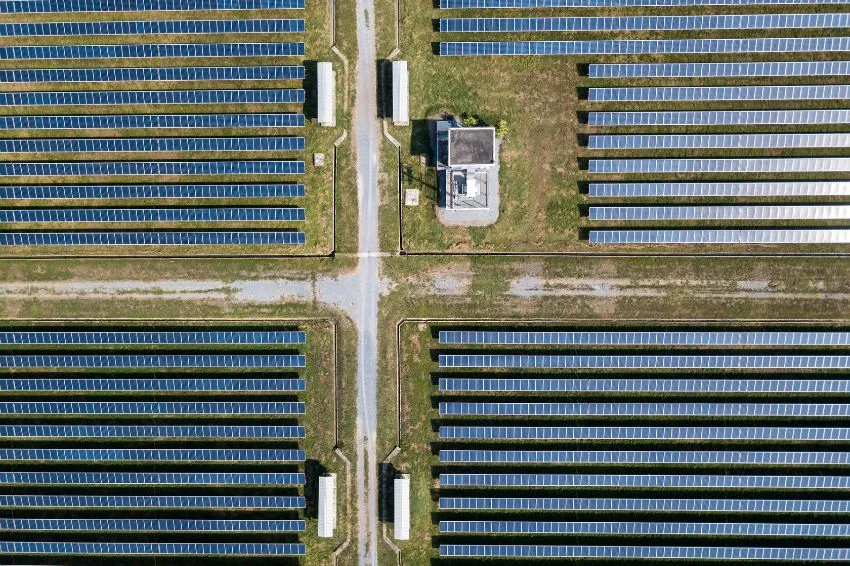
Brazil has just surpassed the symbolic mark of 60 GW of installed power in operation in the solar energy sector, according to data updated by ANEEL (National Electric Energy Agency) on the morning of this Wednesday (13).
The number considers the sum of small and medium-sized self-generation systems (42,05 GW), and large solar plants, responsible for 17,95 GW.
So far this year, more than 7 GW have been added, since at the end of January the country had just reach the 53 GW mark.
Currently, solar energy accounts for over 23% of the national electricity grid, making it the second-largest source. This technology is second only to hydroelectric plants, which account for over 43,3% of the total volume.
Despite significant growth, the sector has faced significant challenges that hinder the further significant acceleration of solar energy and other renewable sources in the country.
Among the main bottlenecks: the lack of compensation to entrepreneurs for cuts in renewable generation and obstacles to connecting small solar self-generation systems, under the allegation of power flow inversion.
Distributed generation
In distributed generation (DG), photovoltaic technology is present in 99,9% of the country's connections, leading the segment by far. Currently, only 11 Brazilian municipalities out of a total of 5.570 do not have at least one solar DG system installed.
Today, there are more than 3,76 million systems installed on roofs, facades and small plots of land, benefiting 6,61 million consumer units across the country.
Most of the installed capacity is in residences (20,84 GW), followed by commercial (11,95 GW), rural (5,64 GW) and industrial (3,05 GW) systems. Among the states, São Paulo leads with 5,91 GW, followed by Minas Gerais (5,31 GW) and Paraná (3,78 GW).
Centralized generation
In GC (centralized generation), Brazil has 17,95 GW in large solar plants. A curious detail is that until 2017, centralized solar generation did not even participate in Brazil's electricity matrix.
Currently, the states with the largest installed capacity from centralized solar plants stand out: Minas Gerais, with 7,41 GW; Bahia, with 2,40 GW, and Piauí, with 2,09 GW.
In addition to the projects in operation, the country also has 29,3 GW under construction or in the process of being built, according to the ANEEL.
Investments and environmental benefits
According to ABSOLAR (Brazilian Association of Photovoltaic Solar Energy), since the beginning of the implementation of the source in Brazil, the sector has already attracted R$ 266,8 billion in investments, generated more than 1,7 million jobs and raised R$ 83,1 billion for public coffers.
In addition to the economic impacts, solar energy prevented the emission of approximately 88,1 million tons of CO₂ in electricity generation, contributing to the country's energy transition.
all the content of Canal Solar is protected by copyright law, and partial or total reproduction of this site in any medium is expressly prohibited. If you are interested in collaborating or reusing part of our material, please contact us by email: redacao@canalsolar.com.br.




Comments
Comments are moderated before publication.Comments should be respectful and contribute to a healthy debate. Offensive comments may be removed. The opinions expressed here are those of the authors and do not necessarily reflect the views of the author. Canal Solar.