

The solar energy sector is expected to add more than 13,2 GW of installed capacity in Brazil in 2025, reaching a cumulative total of more than 64,7 GW – which represents growth of around 25% over the current 51,5 GW.
The data is part of a projection released by ABSOLAR (Brazilian Association of Photovoltaic Solar Energy) this Wednesday (11). The numbers include the entity's expectations for growth in the distributed and centralized generation segments in the country for next year.
According to the study, together the two segments should also attract more than R$39,4 billion in new investments, generate more than 396,5 thousand new jobs across all regions of Brazil and provide an additional revenue of more than R$13 billion to public coffers between January and December 2025.
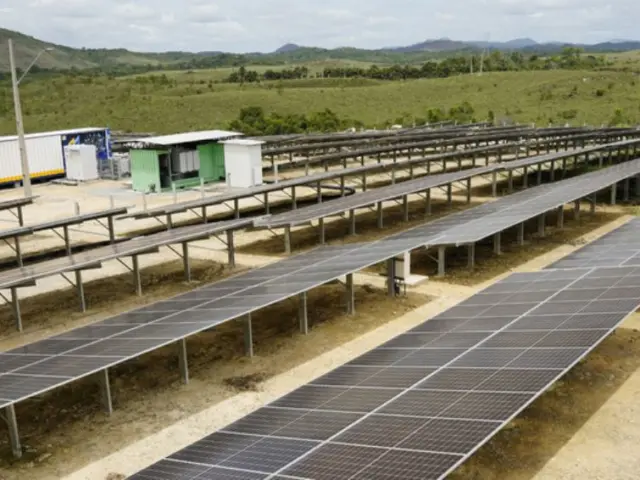
Of the 64,7 GW accumulated by the end of next year, around 43 GW should come from micro and mini distributed generation systems, installed in homes, businesses, rural properties and public buildings. The remaining 21,7 GW should come from large solar plants.
Challenging year
According to Rodrigo Sauaia, CEO of ABSOLAR, the year 2025 should be challenging for all professionals and companies operating in the national photovoltaic sector due to the unfavorable macroeconomic scenario, the devaluation of the real and the upward trend in interest rates.
Even in the face of these turbulences, the executive emphasizes that there is no reason to panic and that the source will remain very compromised. “The growth of solar energy strengthens sustainability, eases family budgets and increases the competitiveness of Brazilian production sectors, crucial factors for boosting the national economy and for achieving the country's environmental commitments,” he said.
Priorities for 2025
Among the priorities for the solar energy sector next year, ABSOLAR highlighted the urgency of a solution to the challenges faced by professionals in the distributed generation segment with allegations of power flow inversion.
In this sense, the association advocates the approval of Bill No. 624/2023, which establishes the REBE (Basic Energy Income Program), and also recommends improvements to Law 14.300/2022.
In centralized solar generation, the entity also draws attention to some challenges that must be faced. “One of the priorities is the so-called constrained-off, that is, generation cuts determined by the ONS (National Electric System Operator), over which the entrepreneurs have no control or responsibility,” highlights the entity.
all the content of Canal Solar is protected by copyright law, and partial or total reproduction of this site in any medium is expressly prohibited. If you are interested in collaborating or reusing part of our material, please contact us by email: redacao@canalsolar.com.br.

Comments (1)
Comments are moderated before publication.Comments should be respectful and contribute to a healthy debate. Offensive comments may be removed. The opinions expressed here are those of the authors and do not necessarily reflect the views of the author. Canal Solar.
It's not possible, it's already hit the ceiling, without + CONSTANT we won't have INTERMITTENT, even more so without water...