
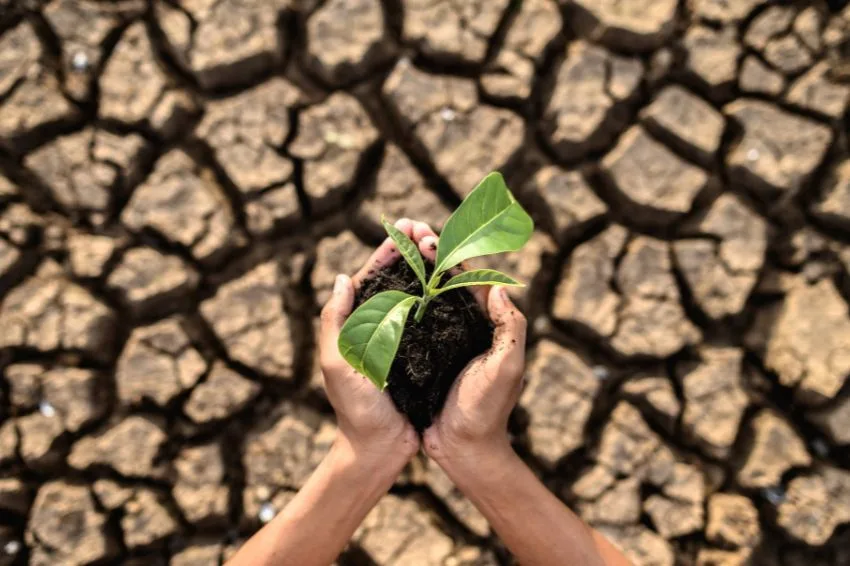
The Government of the State of São Paulo began, this Monday (04), the public consultation on the Pearc (State Climate Adaptation and Resilience Plan). Coordinated by Semil (State Secretariat for the Environment, Infrastructure and Logistics), the document highlights seven axes for the State's actions in tackling the impacts of climate change, initially divided into 49 actions and 216 sub-actions.
The plan has five thematic axes: biodiversity, one health, food and nutritional security, water security and coastal zone. In addition, there is a transversal axis – climate justice – and another structural axis, focused on infrastructure.
The public consultation, which will run until December 20, aims to obtain contributions from society in defining the actions that will be carried out in the coming years. The materials will be available at Semil website.
To encourage society's participation in this process, interaction will be carried out in three ways. One of them is virtual consultation. Meetings will also be held in hybrid formats, in person or remotely, in forums already established for the articulation of actors, groups, public bodies and civil society organizations, to expand the possibilities for contribution.
There will also be face-to-face meetings with some groups and communities in vulnerable territories or with greater exposure to the impacts of climate change, with the aim of raising perceptions about the impacts on daily life, actions in development or to be developed for adaptation and resilience.
Axes of action
To assess the impacts of climate change, Pearc's seven areas of action are:
– Coastal zone: assessment of the impacts of climate change on the coast of São Paulo and the ocean related to geological, oceanographic, climatic and hydrometeorological variables (extreme events).
– Water security: assessment of the impacts of climate change on water availability, both in terms of quality and quantity, for multiple uses.
– Biodiversity: assessment of these impacts on the impairment of ecosystem processes, functions and services, and the conservation of species.
– One Health: assessment of impacts on the health of people, animals and ecosystems.
– Food and nutritional security: assessment of these impacts on food production and quality (family farming) and on citizens’ ability to access them.
– Climate justice: works on the dimensions of race, gender, age, income and ethnic groups in defining and selecting climate adaptation and resilience actions and sub-actions to serve vulnerable populations.
– Infrastructure: assessment of the impacts of the existence or absence of logistics, energy, sanitation, health and housing infrastructures on other axes, from the perspective of climate change.
The Plan has a 10-year operating horizon and its implementation will be divided into 3-year cycles, focusing on state action, based on ongoing or already planned initiatives.
To produce the document, the teams started by identifying the main climate threats and the problems caused by them to propose actions and sub-actions that seek to improve the capacity for adaptation and climate resilience in the State of São Paulo.
The study included, among other things, the effects of rising air and ocean temperatures, changes in the frequency, duration and intensity of rainfall, storm surges, intense droughts, heat waves and strong winds. Each proposed sub-action will be detailed in one or more projects to be developed by the various State Secretariats, with the support of the PEMC (State Climate Change Policy Management Committee).
The development of Pearc directly involved more than 80 people, including state technicians and researchers, in addition to having the support of civil society entities in holding a seminar to define climate justice guidelines for the plan.
This process also had the support of the German Agency for Technical Cooperation (GIZ), through the ProAdapta Program and its various consultants. The plan will be presented by the Government of São Paulo at COP 29, the UN Climate Conference, which begins on the 11th in Baku, Azerbaijan.
Don't miss any news from the electricity sector! Sign up to our Community by clicking here and get exclusive access to our content!
all the content of Canal Solar is protected by copyright law, and partial or total reproduction of this site in any medium is expressly prohibited. If you are interested in collaborating or reusing part of our material, please contact us by email: redacao@canalsolar.com.br.


Comments
Comments are moderated before publication.Comments should be respectful and contribute to a healthy debate. Offensive comments may be removed. The opinions expressed here are those of the authors and do not necessarily reflect the views of the author. Canal Solar.