
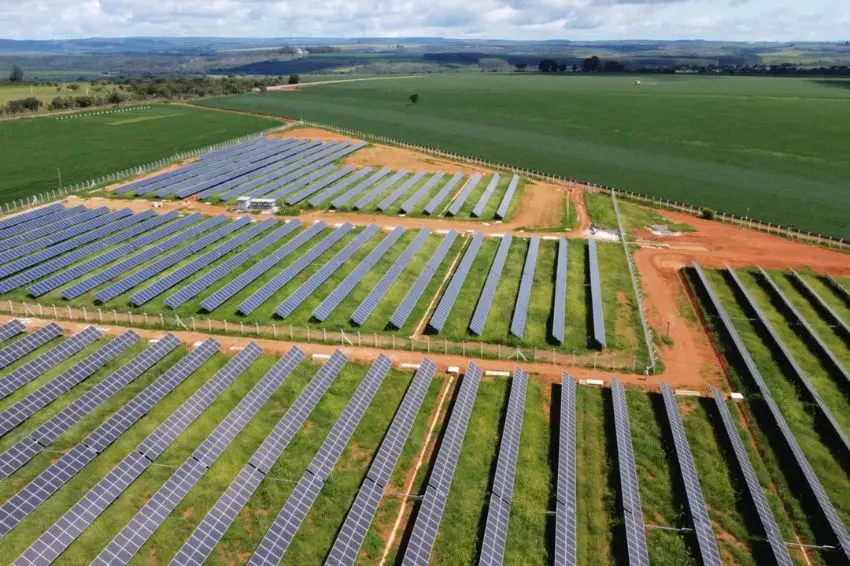
TTS Energia, an engineering and construction company specializing in solar power plants, has signed a contract with GreenYellow, a global energy solutions company, for the construction of a solar power plant for the MISA Minerals, in Limoeiro do Norte (CE).
The project will have 2,5 MW of installed capacity and will operate on a Grid Zero model, which allows the use of photovoltaic generation on-site without injecting surplus energy into the electrical grid.
With approximately 3,5 photovoltaic modules, the plant will occupy an area of 29 square meters and is expected to begin operating in the first quarter of 2027. Budgeted at R$ 8 million, the project should prevent the emission of approximately 156 tons of CO₂ per year.
The project was structured using the Energy as a Service (EaaS) model, in which Greenyellow makes the investment and enables the implementation of the energy infrastructure without requiring any initial investment from the mining company.
For grid-zero operation, TTS Energia will implement a control system that continuously monitors the energy flow at the unit's connection point. A meter tracks, in real time, whether the installation is consuming energy from the grid or if photovoltaic generation is approaching a level higher than demand.
This information is sent to a controller, which dynamically adjusts the power of the inverters according to a setpoint configured for zero injection. In practice, when solar generation approaches exceeding the unit's instantaneous consumption, the system automatically reduces the power of the inverters, causing generation to match demand.
“By adjusting generation to the unit's consumption, the model maximizes the economic benefit for the customer, avoiding the injection of surplus energy into the grid and the associated proportional costs,” says Fernando Oliveira, Commercial Director of GreenYellow Brazil.
The plant will also feature two medium-voltage connection points and two transformers, requiring the construction of a dedicated infrastructure to integrate solar generation into the unit's electrical system. An overhead double-circuit network, more than one kilometer long, will be built connecting the generation infrastructure to the operational connection points.
Grid Zero: how to make projects viable without injection into the grid
According to Jacques Hulshof, CEO of TTS Energia, the electrical configuration of the project requires integrated engineering between power generation, connection, and control. "We have two medium-voltage connection points, two transformers, and more than a kilometer of double-circuit overhead line," he explains.
“At the same time, the system needs to respond in real time to load behavior to ensure Grid Zero operation. It is a project that combines scale, engineering complexity, and control technology,” the executive adds.
“Projects like MISA’s reflect an evolution in the applications of solar power generation in the industrial market. In addition to energy generation, power control solutions allow photovoltaic production to be adapted to the consumption profile of each unit and the characteristics of its electrical connection,” adds Hulshof.
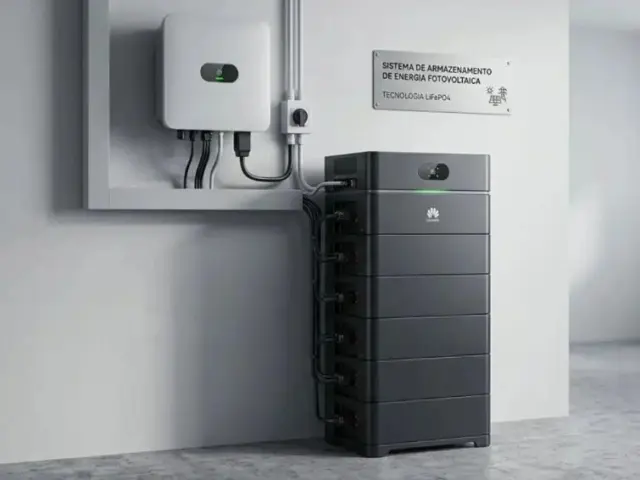
According to the executive, there are also growing opportunities in the integration between solar generation, zero-grid systems, and battery energy storage systems (BESS). "The combination of these technologies can expand companies' ability to manage locally produced energy, allowing them to shift consumption, control power, and use stored energy according to operational needs," he states.
“The industrial market is seeking solutions that go beyond simply generating energy. The integration of solar, control systems, and storage allows for smarter management of the relationship between generation, consumption, and the electrical grid. This is a trend that should gain traction as companies seek greater efficiency, predictability, and energy flexibility,” concludes the CEO of TTS Energia.
all the content of Canal Solar is protected by copyright law, and partial or total reproduction of this site in any medium is expressly prohibited. If you are interested in collaborating or reusing part of our material, please contact us by email: redacao@canalsolar.com.br.


Comments
Comments are moderated before publication.Comments should be respectful and contribute to a healthy debate. Offensive comments may be removed. The opinions expressed here are those of the authors and do not necessarily reflect the views of the author. Canal Solar.