
Price competition in the solar energy market has led integrators to seek new strategies to differentiate their services and preserve the profitability of their projects.
In a scenario of more informed consumers and increasingly accessible equipment, factors such as installation quality, electrical safety, and after-sales service are gaining importance in the preparation of commercial proposals.
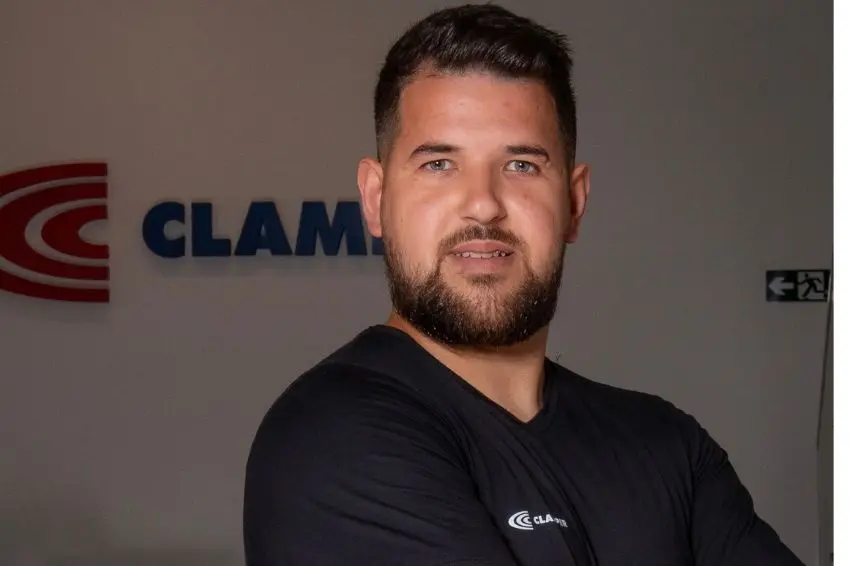
According to Douglas Pedroso, an influencer in the photovoltaic sector and owner of Soluções Pedroso, a company with over 1.400 completed projects, the Brazilian solar energy market is undergoing a maturation process after the period of strong expansion that preceded the entry into force of the transition rules of Law 14.300.
According to him, price competition has put pressure on company margins, while demands from distributors, flow reversal analyses, and the gradual charging of Fio B (a type of cable) add challenges to the commercialization of the systems. The interviewee also warns of the risks associated with the work of professionals without adequate training.
Given this scenario, Pedroso argues that integrators need to demonstrate the differences between the projects offered, allowing consumers to evaluate factors beyond the final price.
“When I present a project, I don’t just talk about the number of panels and kWp: I explain the brand and warranty of the modules and inverter, the DC and AC protection, the type of structure, the cabling, the grounding, the certification, and what the client receives after installation,” he explained.
According to him, the strategy includes presenting technical specifications, records of previous installations, and information about the components used. The goal is to make the differences between the budgets and the services included in each proposal clearer.
In addition to commercial differentiation, expanding the range of services offered is one of the strategies Pedroso points to in order to increase the average price of photovoltaic projects and create new revenue streams for integrators.
Opportunities include remote monitoring, preventive maintenance, scheduled cleaning, insurance, and extended warranties—services that allow maintaining the relationship with the customer after system delivery and generating recurring revenue.
Diversification can also include adjustments to the entry standard and electrical panels, installation of chargers for electric vehicles, and preparation of systems for future integration with batteries.
However, the professional emphasizes that increasing revenue does not necessarily mean increasing profitability. To preserve profit margins, it is also necessary to invest in operational efficiency, with skilled teams, project planning, and standardization of materials and procedures.
These measures help prevent assembly errors, rework, and additional client visits, reducing labor and travel expenses that can compromise the financial results of projects.
String boxes and standardization can reduce errors and improve productivity.
Standardizing facilities is one strategy to improve team productivity, reduce execution errors, and maintain the quality of services provided.
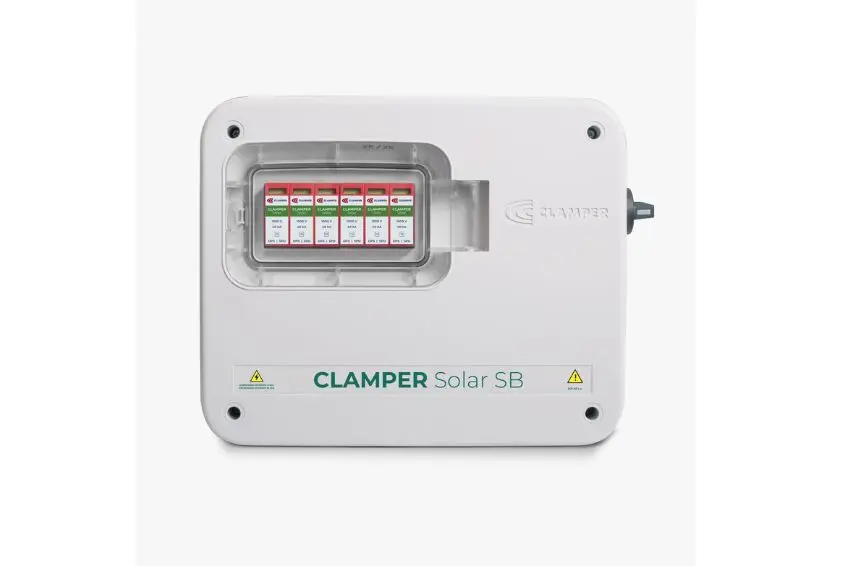
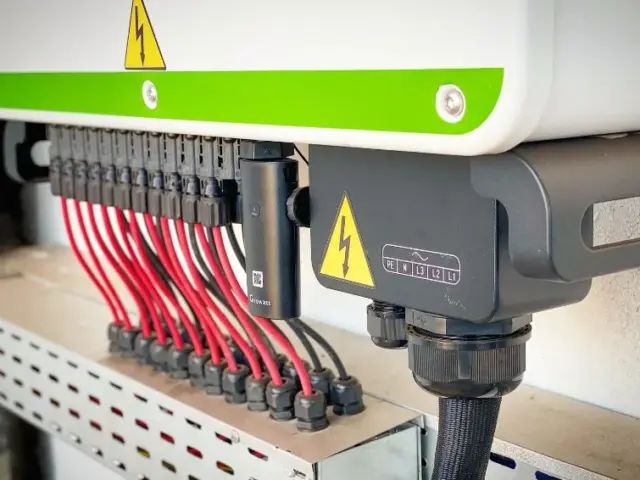
Among the components used for over 6 years in projects to protect photovoltaic systems is the CLAMPER String Box, a set that brings together disconnection and surge protection devices on the direct current side, as well as fuses, when applicable to the project characteristics.
According to Pedroso, working with standardized solutions facilitates the execution of installations, reduces the possibility of errors, and simplifies the training of professionals.
“With a standardized solution, like CLAMPER’s, the team knows exactly what to expect: the same component layout, the same identification standard, the same connectors. This reduces assembly time, decreases the risk of wiring errors, and facilitates the training of new team members,” he stated.
When specifically addressing the String Box, he highlights that the equipment also contributes to the organization of the facilities and allows demonstrating to the consumer the care taken in the execution of the project.
“Besides protection, the CLAMPER protective box adds organization, gives the installation a professional appearance and complies with regulations, facilitates inspection, and is a tangible item that the client can see and understand. When selling, it helps to show that the project was carefully thought out,” he added.
Standardization facilitates inventory management and the purchase of materials, reducing the variety of components used and helping to maintain a consistent level of finish across different facilities.
When presenting commercial proposals, Pedroso recommends highlighting the protective components as a way to demonstrate to the consumer the differences between the projects.
“I usually compare point by point with the client: what is included in my budget and what is usually left out in the cheaper ones, such as String Box, surge protector, correct grounding, original connectors and a structure suitable for the roof. When he understands that he is comparing different things, the conversation changes,” he noted.
Standardization facilitates maintenance and reduces after-sales costs.
According to Pedroso, the benefits of standardization extend to after-sales service, since the use of similar components and procedures facilitates the diagnosis of faults and allows technicians to identify the parts needed for repairs more quickly.
Replacing connectors, fuses, and surge protection devices (SPDs), for example, can become simpler, reducing service time and costs associated with maintenance and travel.
In addition to operational gains, this organization can transform after-sales service into a business opportunity for integrators.
"For the integrator, after-sales service ceases to be a daunting cost and becomes an organized service that can even be charged for in a maintenance contract," he stated.
Cost reduction can compromise facility safety.
Although the search for more competitive prices is part of the market reality, cost reduction through the removal of protective devices or the use of inadequate materials can compromise the safety and performance of photovoltaic systems.
Among the practices pointed out by Pedroso are the removal of direct current protection devices, the use of cables outside of technical specifications, the combination of connectors from different manufacturers without proven compatibility, and the making of improvised splices, situations that can cause overheating of components, formation of electric arcs and, in more serious cases, fires.
Failures in execution can also result in generation losses, damage to inverters from power surges, water infiltration due to problems in module mounting, and voiding of equipment warranties.
In addition to the risks for the consumer, these occurrences can generate additional costs for integrators, who need to carry out new technical visits, replace materials, and correct problems identified after the projects have been delivered.
"Saving a few hundred reais on installation can turn into a much bigger loss later, for both the customer and the company," he warned.
In addition to technical considerations, Pedroso emphasizes the importance of transparency in negotiations. According to him, the integrator should present realistic generation estimates, explain the energy compensation rules, and clarify which charges remain on the electricity bill, avoiding promises of a zero-cost bill.
According to the interviewee, consumers who have already faced problems with low-cost installations, or are familiar with similar experiences, tend to value service quality more and may accept higher-value offers when they understand their benefits.
Management and new technologies should transform the role of integrators.
Looking ahead, Pedroso believes that companies' competitiveness will depend on more efficient management of costs, projects, and teams, as well as the ability to diversify services and reduce dependence on new sales.
In this scenario, continuous training will be necessary to keep up with changes in technical standards and the evolution of technologies. The interviewee also emphasizes the importance of leveraging the existing client base to expand service offerings and create recurring revenue streams.
When asked about trends that are expected to impact the sector, the interviewee highlighted the potential expansion of battery storage, which could be favored by changes in energy compensation rules and restrictions on injecting surplus energy into the electricity grid, factors that may increase demand for hybrid systems and solutions geared towards self-consumption.
The expansion of electric mobility should also create opportunities for the installation of chargers integrated into photovoltaic systems. Simultaneously, the development of more efficient modules, with technologies such as TOPCon and back contact, and advances in intelligent monitoring tend to expand the possibilities for optimizing generation and predictive maintenance.
Pedroso also anticipates increased oversight and quality requirements for installations, as well as changes in commercial relationships with consumers in light of the expansion of the free energy market.
Given these transformations, Pedroso argues that integrators should expand their operations beyond the sale of photovoltaic equipment, offering solutions that combine electrical installations, storage, and energy efficiency.
"The integrator who prepares for this becomes an energy consultant; those who don't will just be competing on price," he concluded.
all the content of Canal Solar is protected by copyright law, and partial or total reproduction of this site in any medium is expressly prohibited. If you are interested in collaborating or reusing part of our material, please contact us by email: redacao@canalsolar.com.br.

Comments
Comments are moderated before publication.Comments should be respectful and contribute to a healthy debate. Offensive comments may be removed. The opinions expressed here are those of the authors and do not necessarily reflect the views of the author. Canal Solar.