
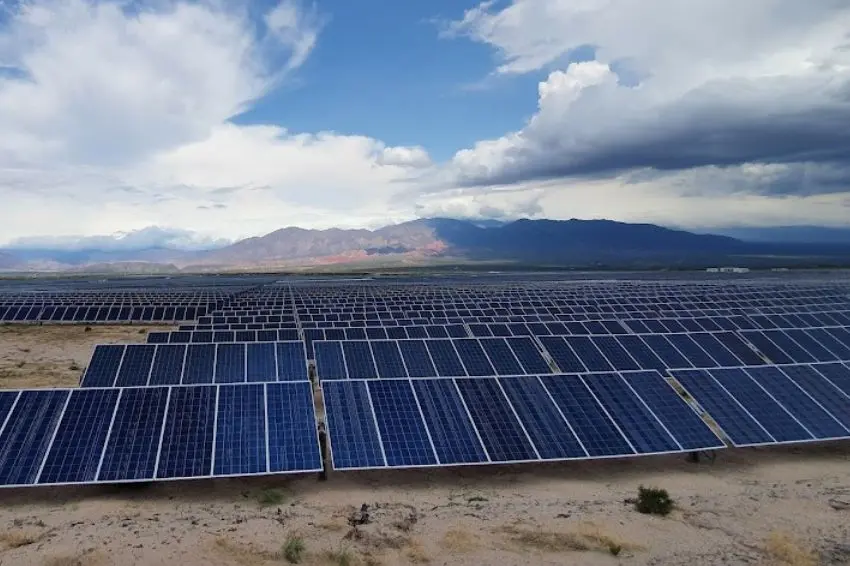
The expansion of solar photovoltaic generation in Brazil over the next ten years is expected to face socio-environmental challenges related to the preservation of native vegetation, water consumption, equipment disposal, and environmental licensing.
A avaliação consta em uma nota técnica da EPE (Empresa de Pesquisa Energética), publicada na última terça-feira (10), como parte dos estudos do PDE 2036 (Plano Decenal de Expansão de Energia).
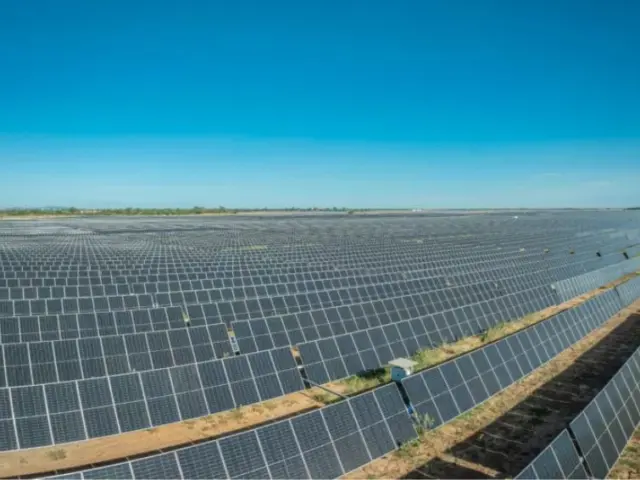
Segundo o documento, a expansão prevista de usinas fotovoltaicas centralizadas alcança 9,5 GW até 2036, dos quais aproximadamente 987 MW correspondem a empreendimentos contratados com entrada em operação prevista para 2027. Outros 8,5 GW integram a expansão indicativa entre 2029 e 2036.
EPE highlights that, although photovoltaic generation presents environmental benefits, such as the absence of greenhouse gas emissions during operation, the implementation of large projects requires attention to the impacts on biodiversity and land use.
Um dos principais pontos de preocupação está na região Nordeste, que concentra cerca de 70% da potência das usinas contratadas previstas no estudo. Aproximadamente 80% dessa capacidade está localizada no semiárido brasileiro, onde a instalação de parques solares pode exigir a supressão de remanescentes de vegetação nativa, especialmente da Caatinga.
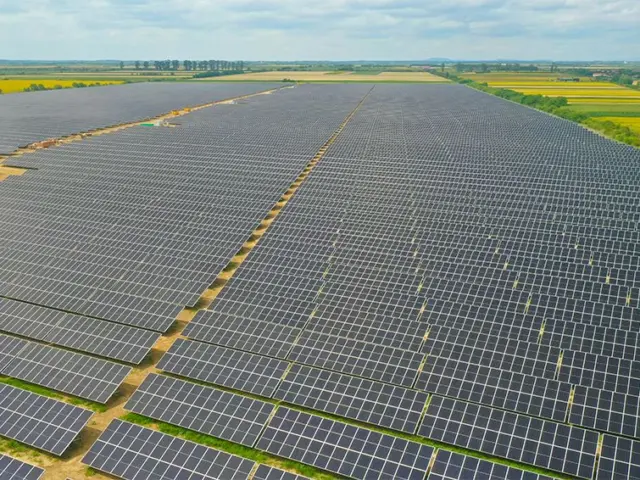
According to data from MapBiomas cited by EPE, the area occupied by medium and large-scale photovoltaic installations in Brazil increased from 822 hectares in 2016 to 35,3 hectares in 2024.
Desse total, 62% estão localizados na Caatinga, o equivalente a 21,8 mil hectares. O Cerrado responde por 32%, enquanto a Mata Atlântica concentra os 6% restantes.
The company emphasizes that the conservation of native vegetation represents a significant challenge for the development of this energy source, mainly because photovoltaic plants require large land areas.
Among the recommendations presented are prioritizing areas already modified by human activity, improving territorial management, and creating instruments to protect native vegetation.
EPE also suggests the adoption of public policies that encourage the installation of projects in degraded areas, reducing the need for deforestation.
Consumo de água e descarte de equipamentos
Outro desafio identificado pela EPE é a gestão do consumo de água utilizado na limpeza dos módulos fotovoltaicos, especialmente em regiões com histórico de escassez hídrica.
According to the technical note, there are technological alternatives that can reduce dependence on this resource, including automated cleaning equipment and systems that use pressurized air.
The document recommends that water availability be considered in the territorial planning of projects, in addition to the creation of public policies and specific regulations to protect regions with water deficits.
A destinação dos equipamentos fotovoltaicos ao final de sua vida útil também aparece entre os pontos de atenção. Com o crescimento da capacidade instalada, aumenta a necessidade de estruturar uma cadeia de reciclagem, reutilização e logística reversa dos componentes.
To meet this challenge, EPE recommends increasing oversight of waste disposal, encouraging research on panel recycling, and establishing specific legal instruments for the sector.
The study also highlights the importance of requiring waste management and decommissioning plans in environmental licensing processes.
Environmental licensing
A ausência de uma regulamentação ambiental específica de abrangência nacional para empreendimentos solares é outro ponto destacado pela EPE.
Currently, states and municipalities adopt different criteria for classifying projects, considering factors such as installed capacity, size, and characteristics of the ventures.
According to the study, this diversity of procedures can be addressed by creating a national regulation capable of standardizing environmental concepts and requirements, contributing to increased efficiency in licensing processes and legal certainty for investors.
EPE also cites a survey conducted with environmental agencies that identified recurring deficiencies in the studies presented by solar and wind power projects.
Among the problems encountered are insufficient or generic environmental diagnoses, poorly detailed impact assessments, inadequate mitigation measures, failures in delineating areas of influence, and the absence of decommissioning plans.
In addition to these issues, the document draws attention to the emissions associated with the life cycle of photovoltaic equipment, especially during the manufacturing of components.
Although power plants do not emit greenhouse gases during electricity generation, EPE emphasizes the importance of considering the origin of the equipment and the energy matrix used in industrial processes.
all the content of Canal Solar is protected by copyright law, and partial or total reproduction of this site in any medium is expressly prohibited. If you are interested in collaborating or reusing part of our material, please contact us by email: redacao@canalsolar.com.br.

Comments
Comments are moderated before publication.Comments should be respectful and contribute to a healthy debate. Offensive comments may be removed. The opinions expressed here are those of the authors and do not necessarily reflect the views of the author. Canal Solar.