
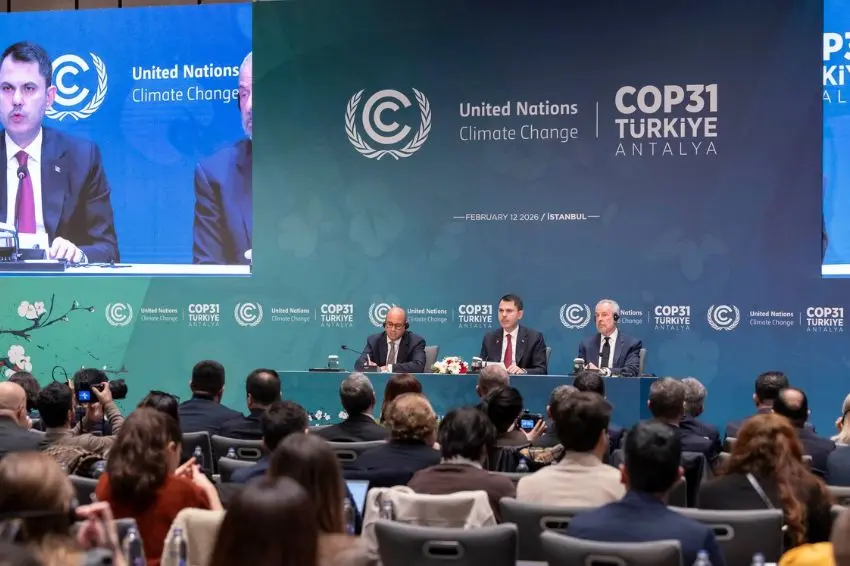
COP31 is drawing to a close in Antalya, Turkey, leaving behind a significant contradiction for the energy sector. The new version of the central negotiation document has removed explicit references to the commitment to move away from fossil fuels, established at COP28 in Dubai.
A concession that highlights the strength of the economic and political interests of an industry that still exerts enormous influence over global development.
However, the document maintains a proposal that deserves attention: to increase the share of electricity in global final energy consumption to 35% by 2035. Although still under negotiation, the initiative recognizes a fundamental transformation: electrification is one of the most important ways to reduce dependence on fossil fuels and reorganize the world economy.
The contradiction is evident. How can we advocate for electrification without addressing our dependence on fossil fuels? Electricity, in itself, is not necessarily clean. Its climate benefit depends on the sources used in its production.
Therefore, electrifying the economy needs to go hand in hand with the expansion of renewable energy sources, energy efficiency, and the modernization of electrical systems.
We're not just talking about replacing combustion engines with electric motors or gas-powered equipment with electric systems. We're facing a much broader transformation in how we produce, distribute, store, and consume energy.
Transportation, buildings, industries, agriculture, and cities are undergoing technological changes that are expanding the role of electricity. Electric vehicles, heat pumps, induction water heating, efficient air conditioning, and electrified industrial processes are examples of expanding markets.
Each of these applications represents opportunities for companies, investors, integrators, manufacturers, and industry professionals.
It is in this context that renewable energies cease to represent merely an environmental alternative and begin to occupy a strategic position in economic competitiveness. Solar and wind energy have already demonstrated their ability to offer competitive electricity.
The challenge now is to integrate this production into a system capable of meeting a growing, variable, and increasingly distributed demand.
Distributed generation occupies a particularly important place in this transformation. By allowing consumers to produce their own energy or participate in shared generation models, it modifies the traditional relationship between producers and consumers.
Residences, businesses, condominiums, rural properties, and industrial facilities can take a more active role in managing their energy resources. This opens up opportunities for new businesses, energy communities, energy sharing, and energy-as-a-service solutions.
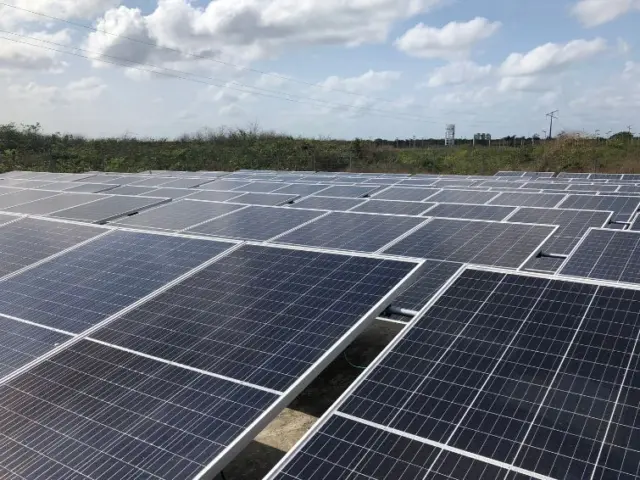
But this new architecture requires infrastructure. The expansion of renewables needs to be accompanied by investments in storage, digitalization, and intelligent distribution networks. It's not enough to install more solar panels or wind turbines if the system lacks the flexibility to absorb, distribute, and manage this energy.
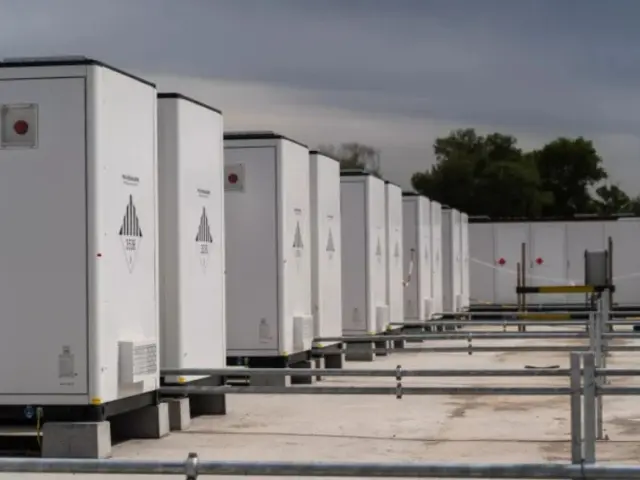
Batteries are becoming essential, both in residential and commercial installations, as well as in large grid-connected systems. Combined with management software, they allow for the storage of surplus energy, shifting consumption, reducing peak demand, and increasing energy resilience.
Smart grids, in turn, need to allow interaction between different agents. Distributed energy resources (DERs), which include generation, storage, electric vehicles, and demand management, can operate in an integrated manner.
In this context, microgrids and VPPs (virtual power plants) emerge, capable of coordinating thousands of small assets to provide services to the electrical system.
It is precisely in this context that we need to look carefully at some regulatory discussions in Brazil. ANEEL ONS and the ONS face the legitimate challenge of adapting the rules and operation of an electrical system that has changed rapidly.
However, there is concern about the tendency to address the effects of the growth of distributed generation predominantly through control mechanisms, injection restrictions, and changes in tariff signaling, without giving the same prominence to solutions that would allow for better utilization of this installed capacity.
Discussions regarding the Time-of-Use Tariff, the mechanisms for activating distributed generation, and the rules for surplus energy need to consider not only the costs and operational difficulties, but also the economic, environmental, and systemic benefits of these resources.
It is legitimate to preserve the security and balance of the grid. What does not seem reasonable is to treat distributed generation as a variable to be contained, when it can also be an important part of the solution.
Storage, demand response, smart charging of electric vehicles, microgrids, and virtual power plants offer pathways to transform surplus energy into flexibility and economic value. We need regulations that encourage this evolution, not discourage investment.
Electric mobility adds another dimension. An electric vehicle is not just about replacing one fuel with another.
Depending on the technology and infrastructure available, it can function as a mobile storage unit, interacting with buildings and networks through smart charging systems and bidirectional solutions such as vehicle-to-grid (V2G).
For Brazil, this scenario represents a particularly relevant opportunity. We have a predominantly renewable electricity matrix, excellent availability of solar and wind resources, biomass potential, and a market with room for expansion in distributed generation, storage, and electric mobility.
We can not only expand the supply of clean energy, but also develop a chain of businesses, services, technology and innovation associated with the green economy.
This means opportunities for national industry, professional training, the creation of skilled jobs, the development of digital solutions, new investments, and greater competitiveness for companies that incorporate energy efficiency and sustainability into their production processes.
The fossil fuel industry will continue to defend its markets and interests. What we cannot accept is that resistance to change prevents the development of alternatives that have already demonstrated technical and economic viability.
The COP31 negotiations are important, but they cannot be confused with the sole driver of the energy transition. While governments discuss commitments, companies develop technologies, consumers change their habits, and new business models gain ground.
The next cycle of opportunities for the sector will not only lie in expanding installed capacity, but also in the integration between generation, storage, networks, mobility, digitalization, and intelligent consumption management.
The economy is changing, even when politics hesitates. The question facing our sector is not only how to keep up with this transformation, but how to actively participate in building a new energy economy that is more efficient, resilient, competitive, and sustainable.
The opinions and information expressed are the sole responsibility of the author and do not necessarily represent the official position of the author. Canal Solar.

Comments
Comments are moderated before publication.Comments should be respectful and contribute to a healthy debate. Offensive comments may be removed. The opinions expressed here are those of the authors and do not necessarily reflect the views of the author. Canal Solar.