
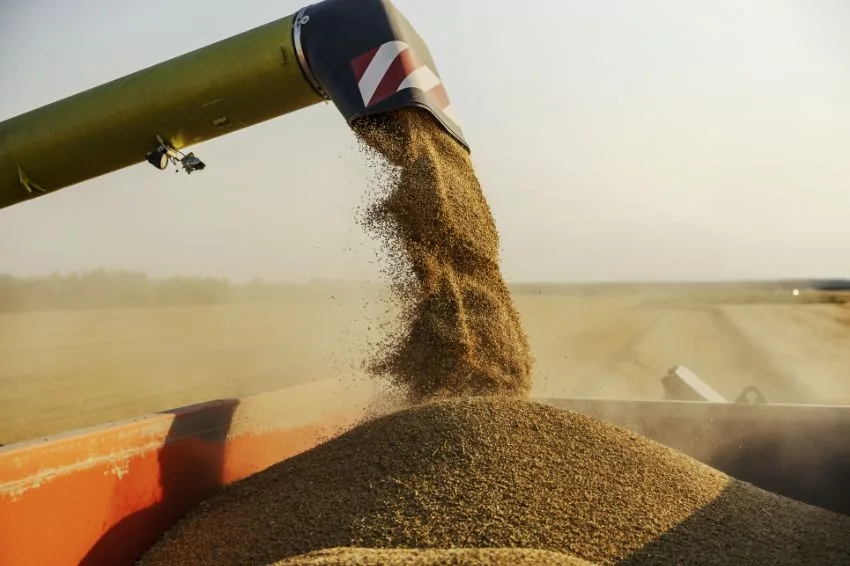
Cogeneration plants using biomass ended December without any known instances of generation cuts (curtailment). This scenario of operational normality, however, is attributed to the off-season period for sugarcane mills in the South and Southeast regions, where the plants remain inoperative for maintenance and await the new production cycle.
The month in question theoretically marks the beginning of the implementation of guidelines for applying restrictions to power plants classified as Type III in situations of low demand in the National Interconnected System (SIN).
Faced with this imminent risk, the main representative entities of the sector — Bioenergia Brasil, the Association of the Cogeneration Industry (Cogen), and the Union of the Sugarcane and Bioenergy Industry (Unica) — have intensified their institutional mobilization.
Through joint official letters sent to ANEEL (National Electric Energy Agency) and a group of twelve distribution concessionaires, the associations express their concern about the high risks of structural, financial and environmental damage that future cuts are likely to cause.
Risk of industrial paralysis
The main point of concern lies in the technical nature of biomass power plants, the entities report. Unlike strictly electric generators, the Type III plants They operate using backpressure and extraction-condensation turbines to supply process steam essential to their respective associated industrial activities.
According to the entities, these plants operate under conditions of 100% inflexibility, which makes defining a "minimum generation" for export to the National Interconnected System (SIN) extremely complex without compromising factory production.
The associations warn that any supply restriction ordered by the ONS (National System Operator) could cause a "collapse" in key industrial production, affecting sectors such as sugar, ethanol, biodiesel, paper, pulp, and beverage manufacturing.
The losses would therefore be disproportionate, involving not only the loss of electricity revenue, but also consequential damages and lost profits throughout the production chain.
Environmental Challenges
Another critical risk highlighted in the documents is the technical destabilization of the units. The entities explain that restricting generation could compromise the synchronization of the plants with the electrical grid, generating a "side effect" where the plant could remain offline for periods far longer than initially planned in the shutdown command.
The associations warn that this would be an operational contradiction, hindering the ability to meet the critical generation ramp-up required when production from intermittent sources drops at the end of the day.
From an environmental and logistical perspective, interrupting biomass burning creates a waste management problem. Thermal power plants operate on the core principles of a circular economy, consuming bagasse, wood chips, and rice husks. A forced shutdown would result in the accumulation of these materials, increasing the risk of fires and compromising the safety of the facilities. Furthermore, the continued production of biomethane, biogas, and biofertilizers would be directly threatened.
Juridical insecurity
The mobilization also aims to avoid a regulatory vacuum. The sector requests that the Emergency Generation Cut Plan not be implemented by distributors — such as CPFL, Cemig, Energisa, and Copel — before the financial and contractual repercussions are properly regulated by the regulatory body. ANEEL.
Among the urgent demands listed are: the creation of compensation mechanisms that cover fixed and variable costs, as well as steam loss; regulatory treatment for breach of contracts in the Regulated Contracting Environment (CCEAR) and Free Contracting Environment (ACL), characterizing the cuts as "acts of God or force majeure"; and protection against the reduction of the physical guarantee of power plants due to lower verified generation caused by the cuts.
The organizations emphasize that each cogeneration case is unique and must be treated "with extreme care" so that the purported systemic benefits of a restriction do not generate greater harm to civil society and the institutional environment for renewable energy investments in Brazil.
all the content of Canal Solar is protected by copyright law, and partial or total reproduction of this site in any medium is expressly prohibited. If you are interested in collaborating or reusing part of our material, please contact us by email: redacao@canalsolar.com.br.

Comments
Comments are moderated before publication.Comments should be respectful and contribute to a healthy debate. Offensive comments may be removed. The opinions expressed here are those of the authors and do not necessarily reflect the views of the author. Canal Solar.