

The Federal Government needs to intervene and make its official position clear on the progress of the offshore wind farm bill (PL 576 / 2021). The opinion presented by Senator Weverton Rocha (PDT/MA) maintained the provision for compulsory contracting of thermoelectric plants added to the text in the Chamber last year. The vote on the bill by the Infrastructure Committee was postponed this Tuesday, December 3, but the government, parliament and the electricity sector must look at this issue closely.
The inclusion of 'jabutis' represents an annual cost of R$25 billion until 2025, according to a study by PSR Soluções e Consultoria em Energia. The tariff impact, which, surprisingly, will fall on the consumer, will be 11% on the electricity bill. The total cost until 2050 reaches the value of R$658 billion.
Among the items that remain in the report are the extension of contracts for coal-fired power plants and the change in the law for the privatization of Eletrobras, which deals with the contracting of gas-fired plants and PCHs (small hydroelectric plants). In addition to grouping the amendments for coal and gas in the same article, the rapporteur removed the benefits for MMGD (Micro and Mini Distributed Generation).
Despite the huge amount, the Federal Government did not sound the alarm on the issue. During the processing of the matter, the Minister of Mines and Energy, Alexandre Silveira, only criticized the issue during a public hearing at the Mines and Energy Committee of the Chamber of Deputies.
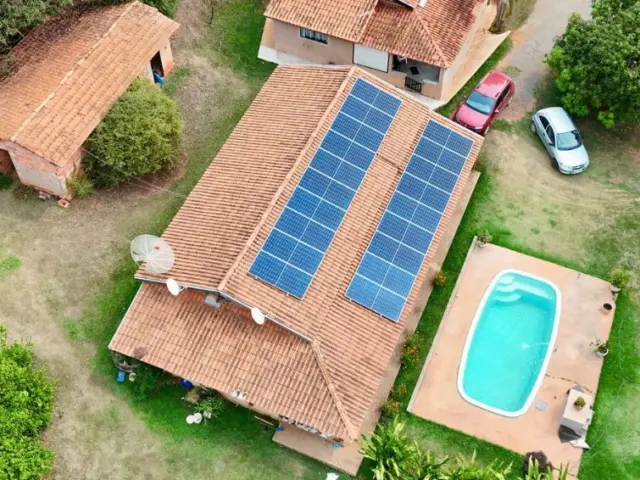
What is strange is the lack of equity in the government's position on the processing of another bill, the PL 624 / 2023 which provides for the installation of photovoltaic energy systems in the homes of low-income families. The project also establishes the Basic Energy Income Program (Rebe).
This is a project that, in addition to having a social aspect, which has been a central theme of the current government's discourse since the election campaign, encourages the development of clean and cheaper energy sources than the proposal to hire thermal and gas plants.
The contradiction in the government's discourse becomes clear when Bill 624 is attacked by leaders due to a possible 2,01% increase in tariffs, a value significantly lower than the 11% of the offshore wind power bill. The questions that arise in the face of such non-compliance are: Why are the interests of the coal and gas industry a priority? Why are the interests of the population, including low-income people, and energy consumers placed in the background? How will investing in polluting and more expensive sources, such as thermoelectric plants, bring economic, social and environmental benefits to the country?
The math doesn't add up. In the coming weeks, before the parliamentary recess, public opinion should be paying attention to the progress of this issue, which involves, in addition to the search for a balanced and profitable electricity sector, the country's commitments to the energy transition and the defense of the interests of the Brazilian population, which will once again have to bear the losses.
The opinions and information expressed are the sole responsibility of the author and do not necessarily represent the official position of the author. Canal Solar.



Comments
Comments are moderated before publication.Comments should be respectful and contribute to a healthy debate. Offensive comments may be removed. The opinions expressed here are those of the authors and do not necessarily reflect the views of the author. Canal Solar.