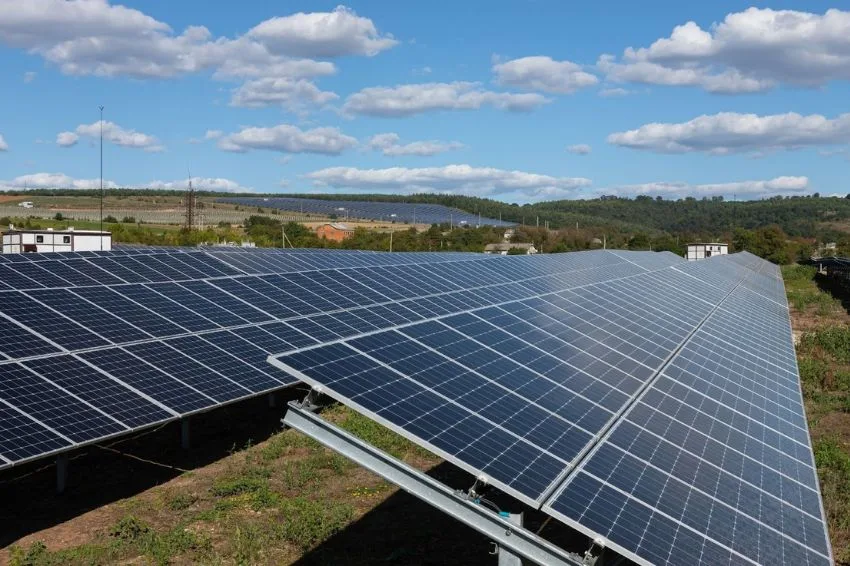

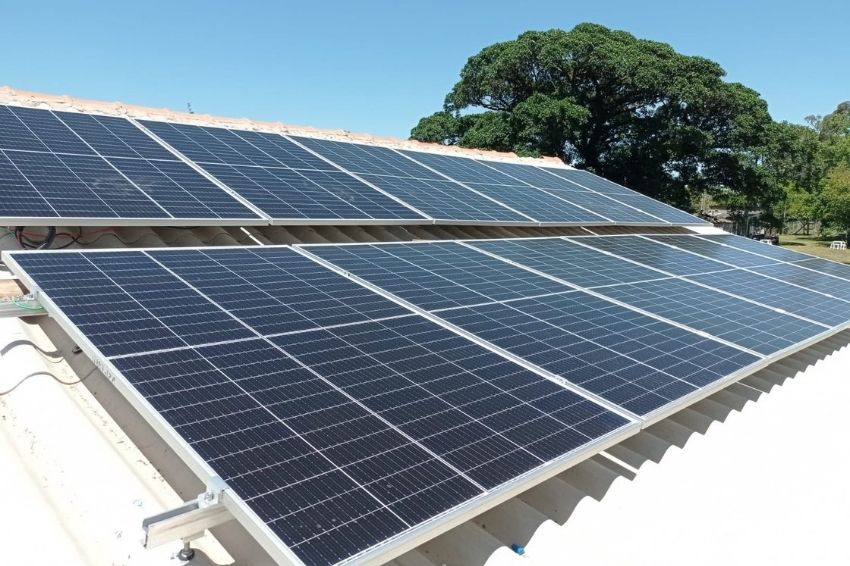
Proper structural sizing is a critical factor in the success and longevity of photovoltaic panel installations. These structures are designed to support the panels and ensure they are properly positioned to capture as much sunlight as possible.
Installation efficiency is directly related to the correct dimensioning of the support structure. If the structure is not designed properly, the panels may not be in the ideal position to capture sunlight throughout the day, resulting in less electricity generation.
Security is also a crucial concern. Photovoltaic solar energy is generally installed on roofs, land or other elevated areas.
Therefore, structures must be able to support the weight of the panels, as well as resist loads from wind, rain, snow and other adverse weather conditions. Inadequate sizing can lead to structural damage, accidents and system failures.
In short, adequate structural design is essential to ensure the operational efficiency and safety of photovoltaic solar energy installations.
The use of specific technical standards and careful analyses, such as finite element analysis, contributes to the reliability and optimized performance of these systems, ensuring the continued growth of renewable energy generation.
Brazilian and international standards for the design of photovoltaic structures
Brazilian and international standards are essential to guarantee the safety, quality and efficiency of photovoltaic structures, especially those that use steel and aluminum products. The main topics covered by these standards are highlighted below.
Brazilian standards
ABNT NBR 6123 – Forces due to wind in buildings: This standard establishes the criteria for determining the wind actions acting on structures. It considers the geographic location of the installation, the height and shape of the buildings, including structures for photovoltaic panels.
ABNT NBR 14762 – Steel Structures for Buildings – Design and Execution: This standard deals with the design and execution of steel structures in buildings and is also applicable to support structures for photovoltaic panels. It establishes technical criteria for calculating the strength and stability of metallic structures, considering the efforts to which they will be subjected.
ABNT NBR 8800 – Design and Execution of Steel Structures for Buildings: NBR 8800 is a specific standard for the design and execution of steel structures for buildings in general, also covering metallic structures to support photovoltaic panels. It provides detailed guidelines for sizing profiles, connections, welds and fixings, taking into account the nature of steel as a structural material.
ABNT NBR 6122 – Design and execution of foundations: Although not specific to photovoltaic structures, this standard deals with the foundation of the structures and defines the appropriate procedures for their execution, including soil resistance criteria and load distribution.
International Standards
EN 1990 (Eurocode 0) – Fundamentals of Structural Design: Eurocode 0 defines general design principles for structures in general, including photovoltaic structures. It establishes the basic performance, safety and durability requirements that must be considered in the project.
EN 1991-1-4 (Eurocode 1) – Actions on Structures – Part 1-4: General Actions – Wind Actions: This part of Eurocode 1 deals with wind actions on structures, including calculations of wind pressure and suction on exposed surfaces.
EN 1993-1-3 (Eurocode 3) – Design of Steel Structures – Part 1-3: General Rules – Supplementary Rules for Thin Plate Structures and Cold-Formed Profiles: This part of Eurocode 3 provides specific guidelines for the design of steel structures, such as supports for photovoltaic panels, considering the characteristics of cold-formed profiles.
EN 1999-1-1 (Eurocode 9) – Design of Aluminum Structures – Part 1-1: General Rules – Rules for Structures Subject to Fatigue: Eurocode 9 establishes criteria for the design of aluminum structures, taking into account fatigue, which is an important aspect in systems exposed to the external environment.
Important considerations in the structural design of supports for photovoltaic panels
The structural design of supports for photovoltaic panels is a crucial step in the design of solar energy systems. A series of analyzes must be addressed to ensure the efficiency, safety and durability of the structure. Below, we highlight the main considerations that must be taken into account:
Wind analysis
Wind analysis is essential to determine the wind loads acting on the structure. This analysis considers the speed and direction of the wind in the location, as well as the specific characteristics of the location where the panels will be installed. An adequate structure must be designed to resist these forces, avoiding instabilities and possible collapses during adverse weather events.
Structural sizing
Proper sizing of materials and structural components is essential to ensure the stability and strength of the structure. Factors such as the weight of the panels, wind and snow loads (when applicable), the inclination and orientation of the panels, among others, are considered. Materials such as galvanized steel or aluminum are commonly used for their strength and durability.
Technical drawing
A detailed and accurate technical drawing is essential to guide the fabrication and installation of the structure. The drawing must include all dimensions and specifications of materials, fixing points, connections and construction details necessary for the adequate assembly of the structure.
Manufacturing and installation
The fabrication of the structure must be carried out by qualified and experienced professionals, ensuring the accuracy of measurements and the quality of welding or assembly of parts. During installation, it is important to strictly follow the project specifications, ensuring the correct fixation of the structure in the chosen location.
Structure assembly
Mounting photovoltaic panels on the structure requires care and attention to detail. The panels must be correctly fixed to the structure to avoid unwanted movements. Furthermore, it is essential to follow the panel manufacturer's recommendations regarding assembly and fixing.
All of these considerations during the structural design of supports for photovoltaic panels ensure that the installation operates efficiently, reliably and safely throughout its useful life.
Monitoring specific technical standards and consulting professionals specialized in the design and installation of photovoltaic systems are essential for the success of the project and for contributing to the expansion of renewable energy.
Proper sizing of solar structures is essential for the efficiency and safety of photovoltaic systems. By following technical standards, analyzing wind, designing with precision and using appropriate materials, we are contributing to a more sustainable and promising future. Solar energy is our ally for a greener and more conscious world. Together, we can build a bright future powered by sunlight.
The opinions and information expressed are the sole responsibility of the author and do not necessarily represent the official position of the author. Canal Solar.