
Article published in the 22st edition of the Magazine Canal Solar. Click here and download now for free!
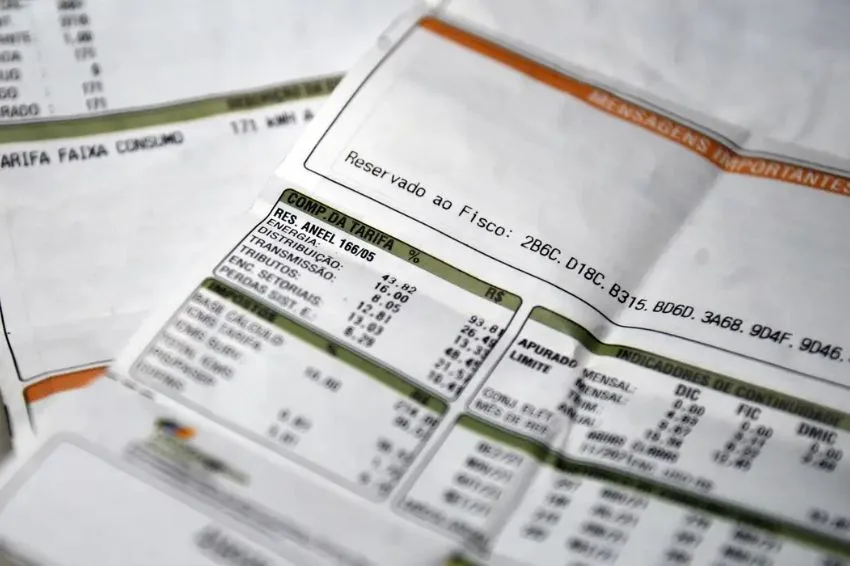
Reflecting on the discrepancy between the low cost of selling energy at the source and the high price to the end consumer has always provoked my curiosity, especially due to my work in the energy generation sector. This disparity invites us to explore the journey of energy from its generation to the moment it lights up our homes.
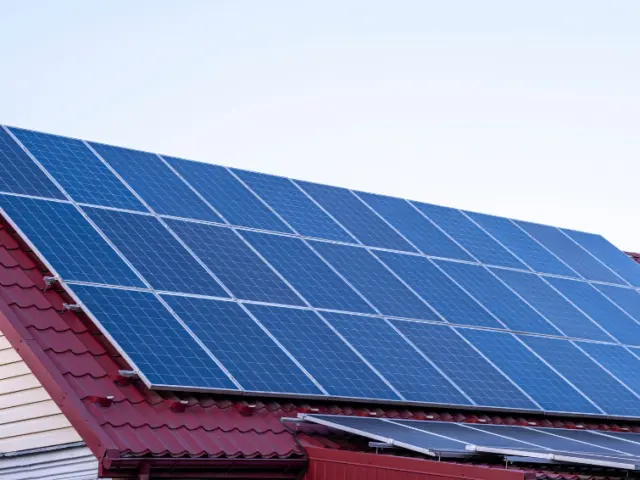
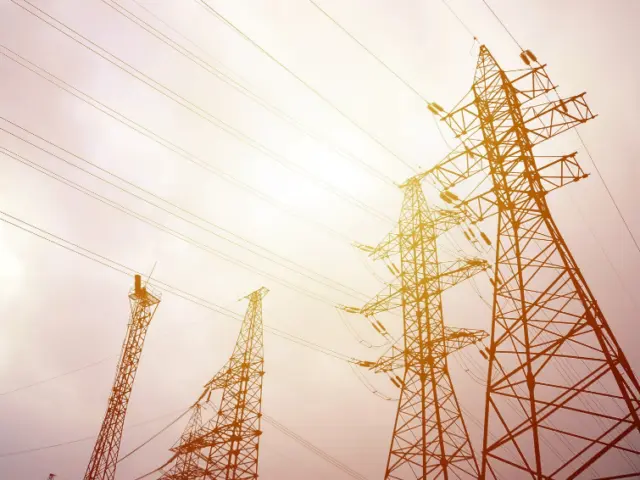
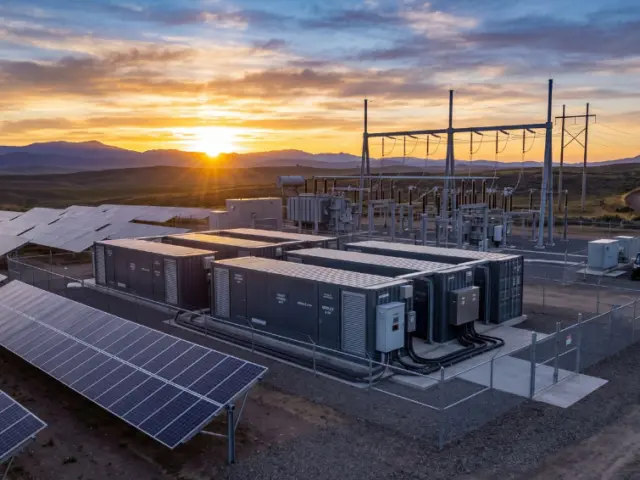
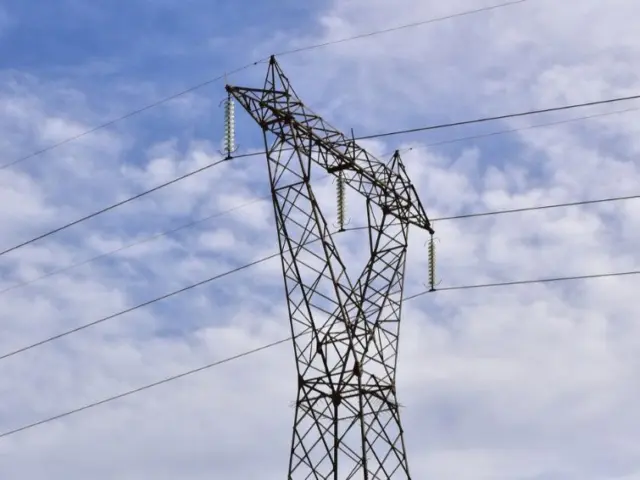
This route encompasses both a physical route and two distinct commercial routes. In its physical journey, energy begins at the generating station, passes through transmission networks, is distributed by local distribution companies and, finally, reaches the consumer.
This path reveals a complex chain of steps and processes that, together, contribute to the final composition of the cost of electrical energy.

When we see this path we are certain that the three agents that appear must be remunerated, the generator for producing the energy and the transmitter and distributor for transporting the energy.
Therefore, the tariff for all customers is divided into two parts, an energy component known as TE (Energy Tariff) and a transport component known as TUSD (Distribution System Usage Tariff), when the customer connects directly to the transmission, your transport tariff becomes the TUST (Tariff for Use of the Transmission System).
Do you want to check out more information about the formation of energy prices in Brazil? Download the 22nd edition of the Magazine now Canal Solar.
The opinions and information expressed are the sole responsibility of the author and do not necessarily represent the official position of the author. Canal Solar.

Comments
Comments are moderated before publication.Comments should be respectful and contribute to a healthy debate. Offensive comments may be removed. The opinions expressed here are those of the authors and do not necessarily reflect the views of the author. Canal Solar.