
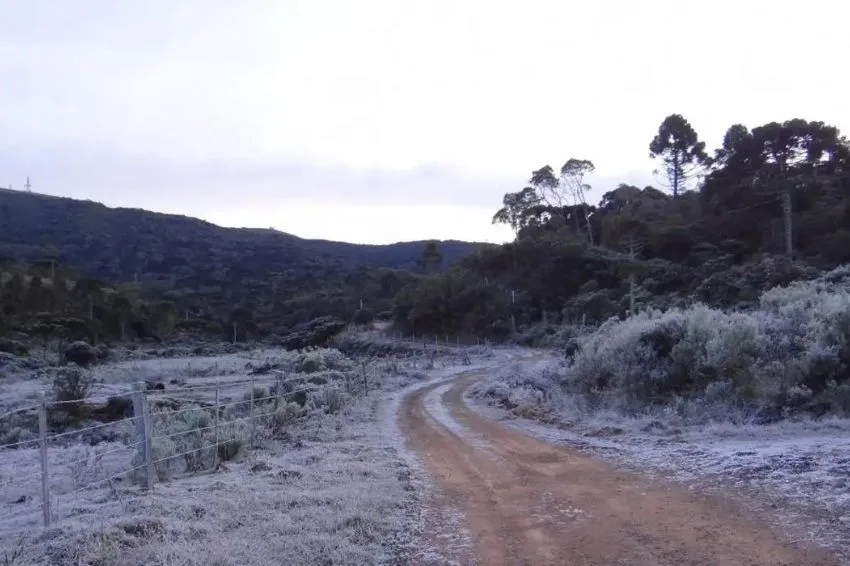
O winter is expected to bring prolonged periods of drought, alternating between high temperatures and at the same time intense cold peaks that lead to the possibility of frost.
Although winter is already a period in which it does not rain much, the La niña is influencing the characteristics of the station and placing the electrical sector on alert because of the impact on energy supply and demand.
We also pack any there is the possibility of the phenomenon influencing agribusiness, which may suffer from chances of frost advancing through the Center South of the country and reaching areas that produce coffee and sugar cane, which are the agricultural products most sensitive to low temperatures.
La Niña is expected to begin in August and that it gains strength in the spring, reaching its peak in early summer and then begins to lose intensity in the fall of 2025.
Ana Clara Marques, meteorologist and climate specialist for the electricity sector of Weather, assesses that the increase in energy consumption in winter due to atypically high temperatures and the decrease in rainfall in the South region tends to trigger a warning signal in the sector.
"With La Niña forming in August, the tendency is for a longer dry period and a delay in the resumption of the wet period in spring”, he observes.
O phenomenon will further accentuate the dry periods recorded this winter in the North, Central-West and Southeast regions, as is already happening, in addition to bringing below-average rain in these regions and drought in the South. The above-average temperatures that are occurring this winter should put even more pressure on energy consumption in the country.
Yes, Nadiara Pereira, meteorologist and climate specialist for agribusiness at Climatempo, explains that the impacts of La Niña and cold peaks with frost can affect products that are more sensitive to cold, such as coffee and sugar cane.
The meteorologist also comments that the late cold in early spring further to the south of the country could harm winter crops, like wheat in the flowering phase.
“On the other hand, the La Niña has the characteristic of increasing rainfall over the northern and northeastern areas of the country, so that the Matopiba agricultural frontier, which covers Maranhão, Tocantins, Piauí and Bahia, usually produces very well in years with this phenomenon”, he highlights.
Today (02), from 18pm, Canal Solar will promote your podcast Solar Talk from Youtube platform, who will talk about climate change, under the theme: In what ways can climate events threaten the solar sector? The program will feature the participation of Lara Marques, commercial analyst and Solar specialist at Climatempo and Márcio Rosa, CEO and Co-founder of Embrastec.
all the content of Canal Solar is protected by copyright law, and partial or total reproduction of this site in any medium is expressly prohibited. If you are interested in collaborating or reusing part of our material, please contact us by email: redacao@canalsolar.com.br.

Comments
Comments are moderated before publication.Comments should be respectful and contribute to a healthy debate. Offensive comments may be removed. The opinions expressed here are those of the authors and do not necessarily reflect the views of the author. Canal Solar.