
With the collaboration of the journalist Ericka Araújo
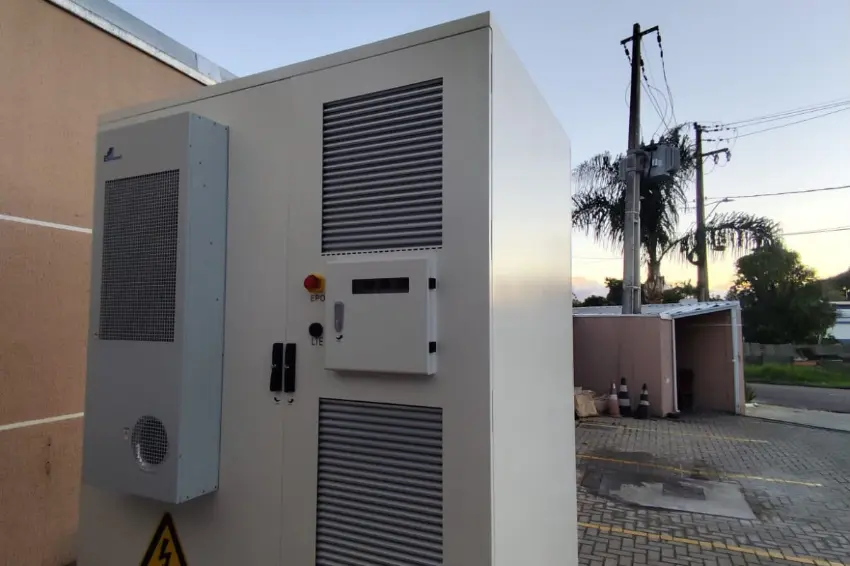
A fruit and vegetable store located in Curitiba (PR) reduced its energy bill by approximately 80% after installing a 100 kW BESS system with a storage capacity of 215 kWh, integrated with the establishment's photovoltaic generation.
The monthly bill, which was around R$ 30 before the installation of the two systems, has dropped to approximately R$ 2,8 to R$ 3,5, according to Sunred, the equipment supplier.
Initially designed to shift consumption away from peak hours, the BESS adopted a new operational strategy after commissioning. Monitoring the load curve revealed that the fruit and vegetable sector maintained regular consumption close to 60 kW, but recorded peaks between 90 kW and 100 kW at certain times of the day.
With the data, the team identified the possibility of also using the batteries for peak shaving and enabling the establishment's migration to Group B eligibility.
"It's not just about selling a product. You need to add a solution," commented Genivaldo Carvalho, manager of Sunred, during his participation in Papo Solar.
BESS 100 kW and 215 kWh
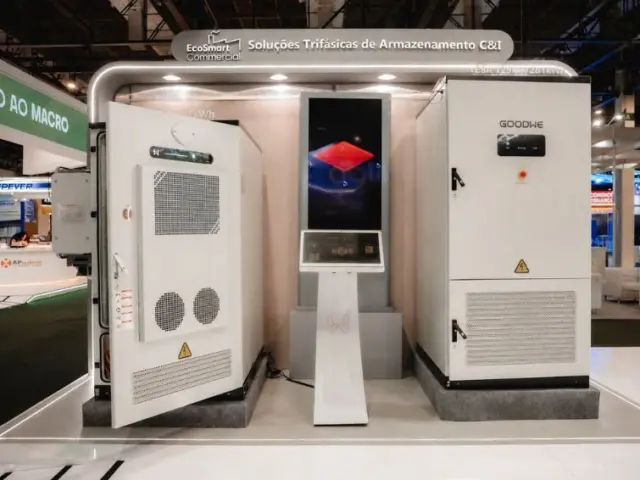
The system installed at the establishment has a power output of 100 kW, a storage capacity of 215 kWh, and a three-phase 380 V connection.
"We sold a 100 kW BESS system, a 380 V three-phase system with 215 kWh of storage," he explained.
Sunred participated in the project from the initial design to commissioning and the start of operations. The installation was carried out in partnership with an integration company from Curitiba.
The equipment was configured to perform load shifting, storing energy for use during peak hours, the period when the tariff paid by Group A consumers is highest.
In the initial operations, BESS began supplying part of the consumption during that interval. During the day, the photovoltaic system already met a portion of the establishment's demand.
"In the initial operations, it performed very well. It shifted energy during peak hours, and the customer no longer paid for that more expensive energy. With the photovoltaic system, it also significantly reduced consumption during the day," he reported.
The photovoltaic system has direct current coupling.
The project utilizes direct current coupling between the photovoltaic generation and the storage system. This configuration allows solar energy to be directed towards meeting consumption and charging the batteries.
BESS also has networking capabilities. In the event of a power outage from the distributor, the equipment can create a local microgrid to keep the system running.
Under these conditions, photovoltaic generation can continue operating to meet self-consumption needs and power the storage system, even without the presence of the conventional electricity grid.
This feature adds a second purpose to the project: in addition to reducing energy costs, the system can provide backup power for the facility's data.
This application is relevant to the fruit and vegetable industry because of the presence of equipment such as cold storage rooms, refrigeration systems, air conditioning units, and motors. Prolonged interruptions can affect food preservation and commercial operations.
The transcript does not detail which workloads were classified as priority or how long the system can keep them running during an outage.
Monitoring revealed consumption spikes.
When BESS was installed, the fruit and vegetable market was classified in Group A, participated in the Free Energy Market, and had a contracted demand of 120 kW.
After the operation began, the team in charge had more detailed access to the consumption profile. The data showed a relatively constant load, close to 60 kW, during most of the analyzed period.
At specific times, however, demand rose to between 90 kW and 100 kW. According to the assessment presented in the program, these peaks may be related to motor starting and the commissioning of refrigeration equipment, cold storage rooms, and air conditioning systems.
"He had a linear consumption during the day, which did not exceed 60 kW. However, at some times, he had consumption peaks that reached 90 or 100 kW," explained the Sunred representative.
Although regular consumption was below the contracted demand, peak demand required the establishment to maintain a structure capable of meeting the periods of highest power demand.
The analysis showed that the 100 kW available in the storage system could be used to limit these peaks and reduce the demand placed on the grid.
The operation now includes peak shaving.
With the identification of peak consumption patterns, the strategy shifted its focus from solely shifting consumption during peak hours. BESS (Bear-in-Water System) began to be considered for peak shaving as well.
In this operating mode, the battery supplies part of the power when consumption exceeds a certain limit. This allows the facility to reduce the power drawn from the grid during peak times.
"We changed BESS's operating strategy. We focused on doing peak shaving, and not just during peak hours," he stated.
According to the company, the equipment's 100 kW power output is sufficient to meet the peak demand identified in the fruit and vegetable sector. The new configuration also paved the way for a change in the consumer's tariff framework.
The project foresees migration to Group B (optional).
The engineering company responsible for the project has begun the process of migrating the produce section to the Group B category, in conjunction with the distributor.
In this framework, the consumer no longer pays for contracted demand and for differentiated energy during peak hours. The establishment must also leave the Free Market and return to the regulated contracting environment.
The strategy considers an availability of up to 75 kW supplied by the grid. When the demand for fruits and vegetables exceeds this level, the BESS (Balanced Energy Supply System) will be activated to meet the excess portion.
In this way, regular consumption, close to 60 kW, would remain within the available limit. Peak consumption between 90 kW and 100 kW would be supplemented by the storage system.
In addition to peak shaving, BESS will continue to manage photovoltaic self-consumption and provide backup in situations of supply interruption.
The migration process was still underway when the case was presented at Papo Solar. Upon completion, the company expects that the combined effect of solar generation and storage will reduce the establishment's energy consumption by 80% to 90%.
The economy reached approximately 80%.
Before the installation of photovoltaic generation and the BESS system, the monthly bill for the fruit and vegetable store was around R$ 30.
With the consumer still in Group A and the storage system operating mainly to shift consumption away from peak hours, the bill fell to a range between R$ 2,8 and R$ 3,5.
The reduction observed up to this stage corresponds to approximately 30% to 33%. The expected reduction of between 80% and 90% is related to the next operational configuration, after migrating to the opting Group B, and considers the combined operation of the photovoltaic system and batteries.
"It was an engineering project mixed with consulting and energy efficiency," he summarized.
Watch the full Solar Chat.
all the content of Canal Solar is protected by copyright law, and partial or total reproduction of this site in any medium is expressly prohibited. If you are interested in collaborating or reusing part of our material, please contact us by email: redacao@canalsolar.com.br.

Comments
Comments are moderated before publication.Comments should be respectful and contribute to a healthy debate. Offensive comments may be removed. The opinions expressed here are those of the authors and do not necessarily reflect the views of the author. Canal Solar.