
I have been following the accelerated growth of the solar energy sector in Brazil. The numbers are impressive: more than R$ 300 billion in accumulated investments and more than 2 million jobs generated in the last decade, according to... ABSOLAR (Brazilian Photovoltaic Solar Energy Association).
The numbers reflect a booming market, full of opportunities. But, along with this growth, I've also seen a recurring problem: companies that grow too fast… and fail just as quickly. It may seem contradictory, but selling a lot doesn't necessarily mean having a healthy business. And this is where one of the biggest management mistakes I see in the sector lies.
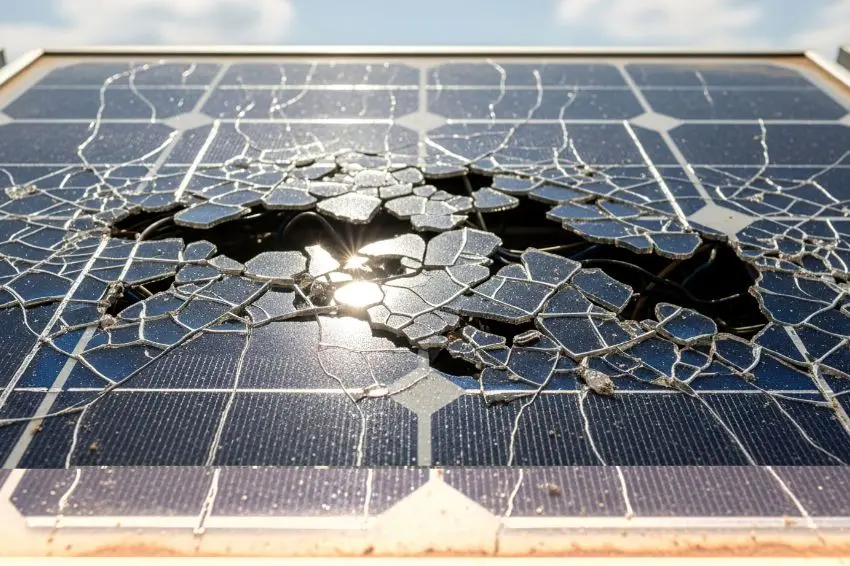
Recently, a case caught attention. A solar energy company in Pará state rapidly gained scale and increased its sales volume, but began to face serious operational problems. Installation delays, service failures, and dissatisfied customers started to accumulate. The impact was directly financial, and the outcome was inevitable: significant losses and the collapse of the operation.
This is not an isolated case; it is a clear illustration of what happens when the sale is treated as an end, and not as the beginning of the journey. This type of situation reveals a common structural weakness: a lack of control over the operation.
I often say that looking only at cash flow is like driving while only looking in the rearview mirror. It might give a sense of control in the short term, but it hides problems that are forming ahead. That's why I strongly advocate for the use of what's called a construction income statement, or Service Result Statement.
Unlike a traditional financial income statement, which shows the company's overall result, a construction income statement allows for an individual analysis of each project's performance. It reveals, for example, whether a facility that appears profitable on paper actually generates a margin when all costs are considered, from labor to rework, logistics, and delays.
Without this level of visibility, what happens is simple: the company sells a lot, makes high profits, but loses money on every project without realizing it. And, when it does realize it, it's often too late.
We have been working precisely to change this scenario. We have developed tools that allow business owners to clearly see the operating margin of each project, including a consolidated monthly view of the construction project's profit and loss statement. This is a type of control that is still lacking for many businesses, especially those in a phase of accelerated growth.
And this growth, when it comes, brings its own challenges. We ourselves are experiencing this. This has been the month with the highest sales volume in our history, driven by strategies of... digital marketing industry, content creation and consistent presence at industry events.
But along with the demand comes the need to structure processes, hire talent, and organize operations. Because growing without management often becomes a risk.
I've seen many companies in the solar sector repeat the same pattern: they invest heavily in sales, generate demand, but neglect operations. And it's precisely this disconnect that leads to insolvency in the medium term.
Therefore, more than ever, I believe that the future of companies (not only in the solar energy sector, but in any segment with complex operations) depends on organization. It depends on data, margin control, and well-defined processes.
Management tools are not a "luxury" or a differentiator. They are what separates companies that grow sustainably from those that simply grow... until they fail. And, at the rate the market is advancing, this difference has never been more crucial.
The opinions and information expressed are the sole responsibility of the author and do not necessarily represent the official position of the author. Canal Solar.

Comments (5)
Comments are moderated before publication.Comments should be respectful and contribute to a healthy debate. Offensive comments may be removed. The opinions expressed here are those of the authors and do not necessarily reflect the views of the author. Canal Solar.
They acted in bad faith, selling when they were already bankrupt; the owner moved away so he wouldn't have assets in his name.
I was a victim of this trickery.
NEVER LEAVE YOUR COMPANY 100% IN THE HANDS OF EMPLOYEES….
…the eyes of the owner who fattens the ox…
In Brazil, like many projects, distributed generation suffers from populism, leading to low quality and unfair competition in the sector. We'll see how some projects fare over time.
Hahaha, I broke it just like that.
Ready for the next one?
This article is very relevant and productive. How can I get in touch with Everflow's sales team?